Japan’s Rice imports surge and Climate-resilient rice: Today’s Top Rice news
Japan’s Rice imports surge and Climate-resilient rice: Today’s Top Rice news
By Megha Bajaj
Japan’s Private-Sector Rice Imports Surge By 95 Times In 2025
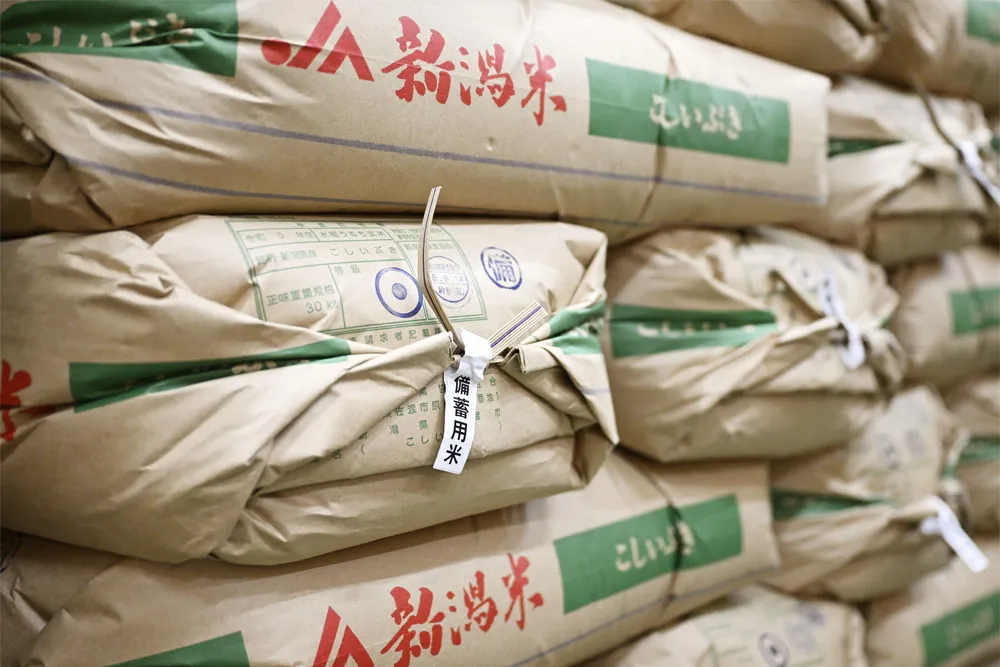
Japan has witnessed several struggles with soaring rice prices in the year 2025. Apart from this, news related to Japan’s private-sector rice imports is making headlines in the mainstream media. It states that Japan’s private- sector rice imports surged 95-fold in 2025 from the previous year to 96, 834 tons, as demand for foreign rice was strong despite high tariffs since surging prices for domestically grown rice, as the Japan’s Finance ministry stated on Thursday. Notably, Japan do rice imports about 770,000 tons of rice year tariff-free, including up to 100, 000 tons for consumption as staple food. Rice imported by the private sector outside the quota faces a tariff of ¥341 per kilogram. Interestingly, private-sector rice imports surged especially in summer amid uncertainties over the upcoming rice crop. Not only this, last year’s imports included 20,979 tons in June and 26, 397 in July. Rice imports declined sharply starting in September when harvests began in earnest. Rice imports from United States accounted for 75, 638 or about 78% of the total, followed by 7,024 tons from Taiwan, 4,567 tons from Vietnam and 4,014 tons from Thailand.
Pakistan’s Rice Exports To China Rise $ 62M
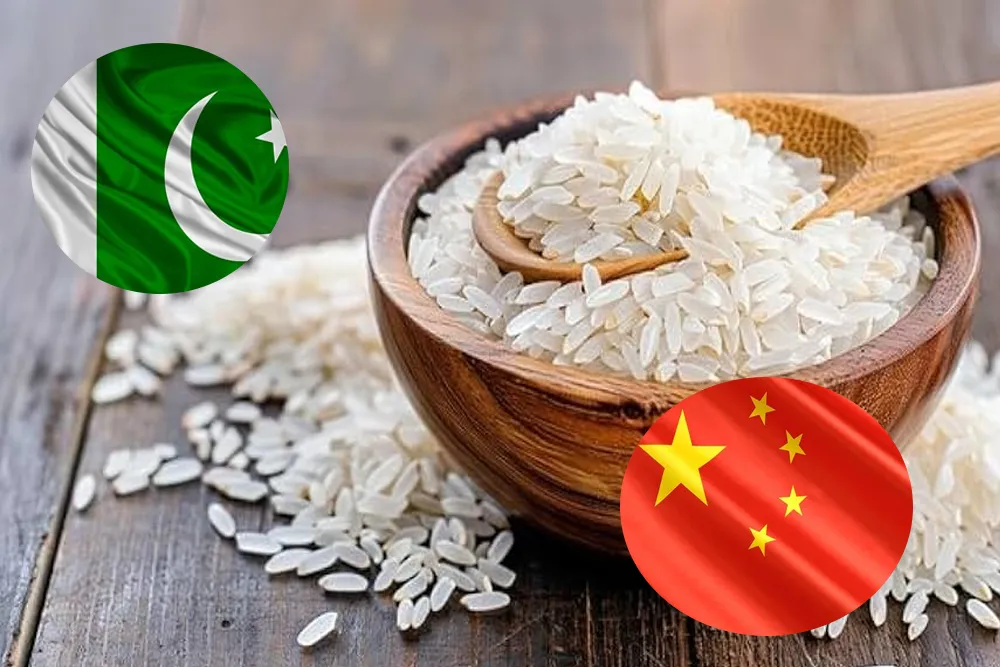
Recently, Pakistan has ranked as the world’s third-largest rice producer. Moreover, the country is also modifying its strategy to improve rice exports. As per the latest updates, Pakistan’s rice exports to China increased past $62million in 2025, with semi and wholly milled rice leading the bulk of shipments, alongside broken rice. A total of 157.74 million kg was exported, reflecting strong demand. Guangdong Province led rice imports with 61.8 million kg valued at over $26 million, followed by Beijing with 42.93 million kg worth $ 15.48 million. In addition, other provinces in China boosted their purchases, showing expanding market reach. Experts mentioned competitive pricing, enhanced milling standards, and stable supply chains as key growth drivers. Pakistan’s rice exports to China are anticipated to maintain strong momentum.
High returns, slow adoption of climate-resilient rice
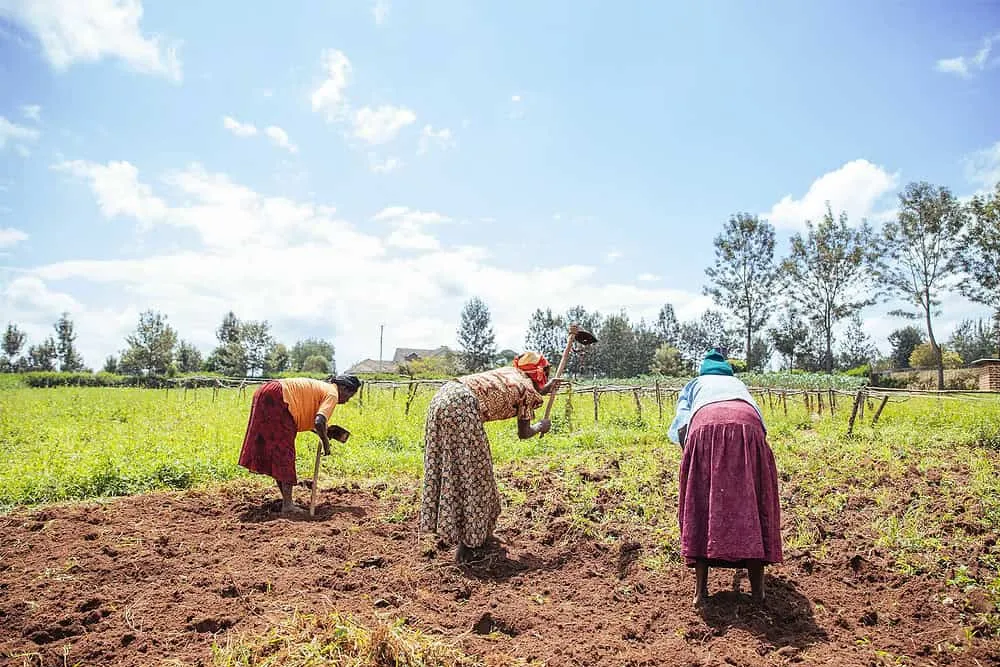
Despite rice being central to India’s food security and rural economy, the adoptionof Climate-resilient rice varieties (CRVs) has lagged significantly compared to their potential benefits. Research from the Indian Council of Agricultural Research (ICAR) shows that while CRV’s can offer substantial economic returns, and helping farmers earn more and decreasing vulnerability to drought, floods, salinity and other stresses, uptake remains limited to a small fraction of the total rice area. The ICAR study evaluated 21 CRV’s spanning drought, flood, and salinity-tolerant types among others, and found they could generate and economic economic surplus of over ₹2.1 lakh crore by 2030, largely since higher and more stable yields. However, only around 8–10% of India’s rice acreage currently uses these improved seeds, despite nearly 100 varieties being available. In addition, major reason is farmers’ cautious approach: they often test new varieties on small plots and depend on peer experience before broader use, slowing diffusion into mainstream cultivation. Moreover, supply-side issues and structural weaknesses in seed systems have hindered regular access to CRV seeds outside pilot or research projects. In some regions, when favourable varieties were introduced, local stocks were wiped out by extreme events such as cyclones, and farmers reverted to traditional seeds since replacement supplies were unavailable. For certain types such as aerobic rice, adoption is further complicated by the need for new machinery and different crop management practices, which raise costs and perceived risks beyond just seed access. These combined factors such as farmer hesitance, fragmented seed markets, and additional input requirements, explain why, even with demonstrated high returns and climate resilience, broader uptake of climate-smart rice in India remains slow.
Share this article
Article Info
Read Time
4 min read
Published
30 Jan 2026
Author
Megha Bajaj
Category
News