Philippines Rice Imports, Kenya Food Security & Ghana’s Surplus Paddy Rice Programme: Today’s Top Rice News
Philippines Rice Imports, Kenya Food Security & Ghana’s Surplus Paddy Rice Programme: Today’s Top Rice News
By Megha Bajaj
Ghana Government Rolls Out Nationwide Milling Programme To Absorb Surplus Paddy Rice
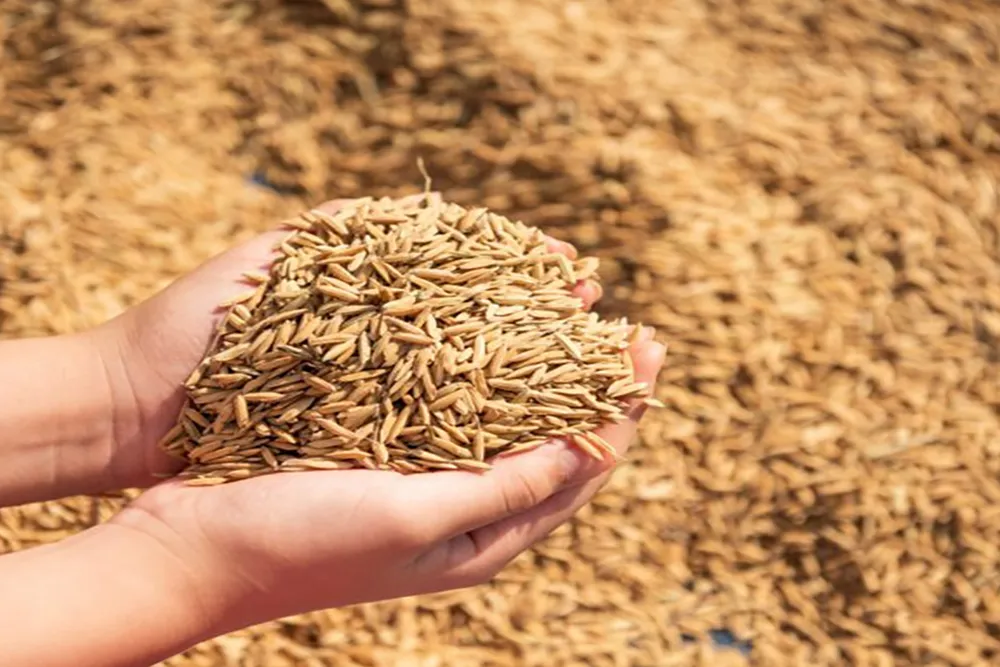
Surplus rice or excessive rice always raises concerns for any country’s government and its farmers. Since no government want such produce to be wasted. Keeping this fact in mind, the Ghana Government has rolled out a nationwide milling programme to absorb surplus paddy rice from farmers. This step is expected to enable the National Food Buffer Stock Company Limited (NAFCO) to purchase rice after processing. The Ministry of Food and Agriculture stated that the intervention follows growing concerns from rice farmers over the lack of a ready market for surplus paddy. This situation has led to a glut in various rice-producing areas. The minister for food and agriculture, Eric Opoku, said that the challenge arises from NAFCO’s procurement policy, which stresses milled rice rather than paddy. Furthermore, he stated that the government is therefore stepping into support rice millers by making resources available to allow them to purchase paddy from farmers, process it, and supply the milled rice to NAFCO.
Moreover, he cited that in line with procurement procedures, NAFCO has advertised for interested millers and other stakeholders to participate in the process, which he said on the verge of completion.
Philippines Plans To Do Rice Imports Of 300,000 MT In Feb, Vietnam Prices Stable
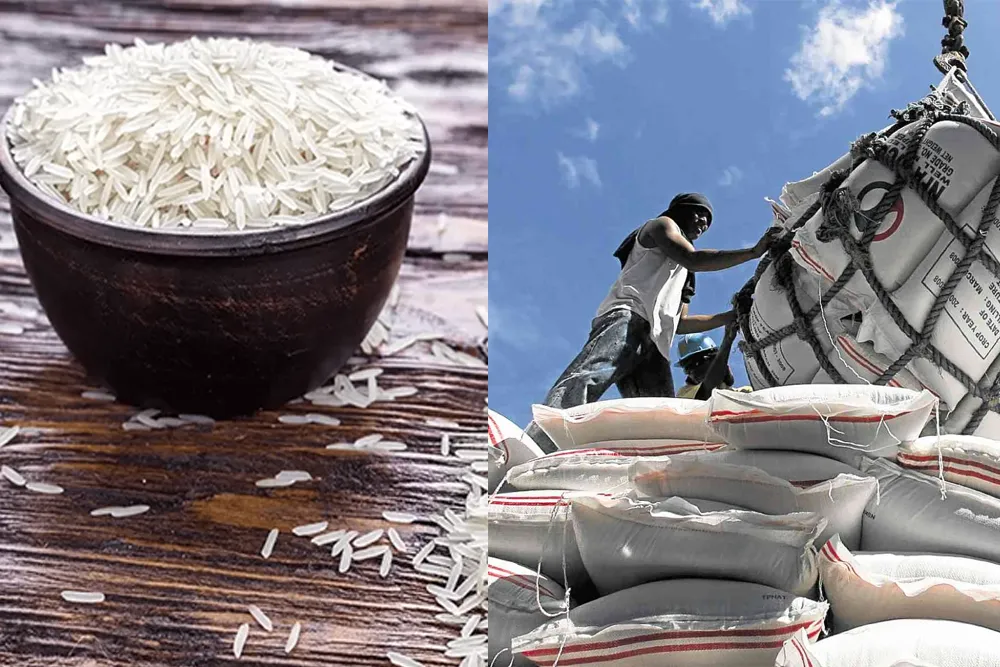
As per the latest updates, Vietnamese rice prices are expected to remain stable in February. The Philippines plans to do rice imports 300,000 metric tons of rice in February, a volume likely to be absorbed by incoming Vietnamese winter/spring supplies, though the imports are not entirely allocated to Vietnam. Now, this decision comes as the Philippines moves to more tightly manage rice imports in 2026 to support domestic farmers. The Philippines Department of Agriculture stated in a December 16 release the rice imports in 2026 are expected to fall below 4 million metric tons as domestic production is projected to reach a record high. Notably, the government has earlier imposed a suspension on rice imports, extended until April 2026. However, a limited import window will allow shipments to arrive by February to prevent imported rice from affecting domestic prices at the beginning of the summer harvest.
Kenya Battles Food Security Test as Court Weighs Rice Import Policy
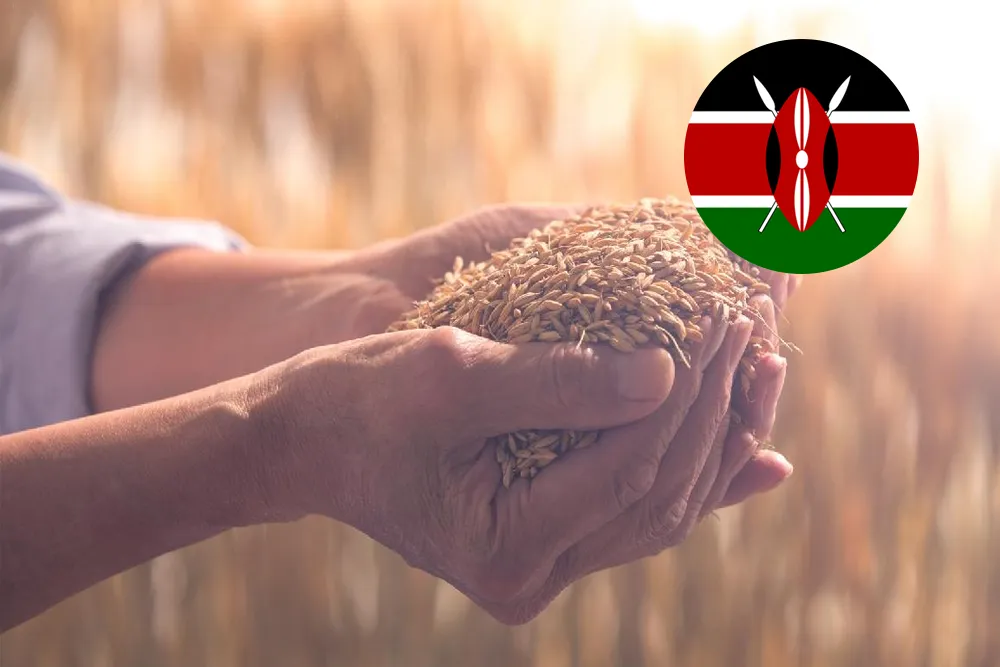
Kenya is battling with a food security challenge as the High Court prepares to rule on January 29, 2026, on a petition contesting the government‘s decision to enable time-bound, duty-free rice imports. As per the authorities, it’s a necessary move to bridge a widening supply gap while protecting farmers' interests. The case reveals that amid the exacerbating drought conditions and persistent production shortfalls, the country is producing less than 20 per cent of its rice needs, and the national deficit is projected to exceed 380,000 tonnes by early 2026 against demand of about 750,000 tonnes between January and June alone. At the heart of the legal challenge is the constitutional right to food, with the court being asked to balance farmer protection against the state’s obligation to ensure affordable and adequate food supplies, as officials argue that controlled imports are essential to stabilise prices and prevent broader food inflation. Heavy rainfall and reduced planting have already disrupted output, while food insecurity in arid and semi-arid regions could rise from 1.8 million to 3.5 million people if mitigation measures falter, prompting the Government to pledge the purchase of all paddy and milled rice offered for sale, with payments guaranteed within 30 days.
PhilRice Highlights Proper Water Management To Ensure Healthy Rice, Quality Yield
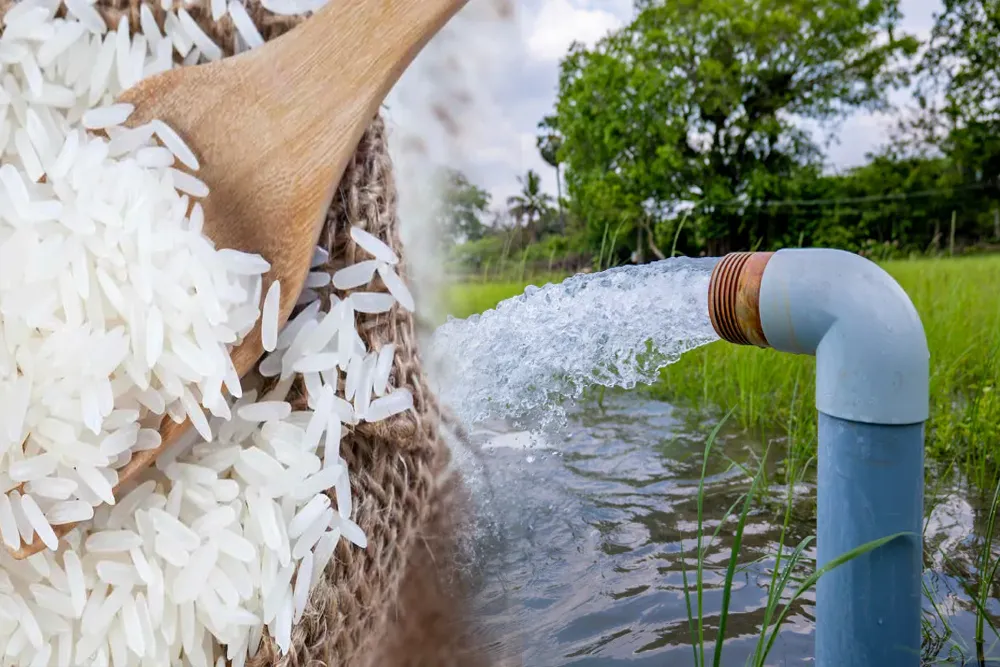
The Philippine Rice Research Institute (PhilRice) highlights the importance of proper water management in rice farming to support healthy plant growth, decrease pest incidence and improve grain quality. PhilRice Rice Engineering and Mechanisation Division Senior Science Research Specialist Kristine Pascual stated that sufficient irrigation does not require rice fields to remain continuously flooded. Moreover, she explained that excessive water limits oxygen in the soil, impacting root respiration and weakening the plant’s ability to absorb nutrients needed for growth. She emphasised that during the first week after transplanting, maintaining a shallow water depth of one to two centimetres promotes strong root establishment and minimises transplanting stress. She also underscores that proper irrigation enhances nutrient absorption, prevents fertiliser loss, and helps manage pests and diseases, contributing to healthier rice crops and more stable income for farmers. PhilRice continues to advise and educate Filipino Farmers on proper water management and irrigation to achieve quality grains, higher productivity and enhanced income in Central Luzon.
Share this article
Article Info
Read Time
4 min read
Published
28 Jan 2026
Author
Megha Bajaj
Category
News