Rice Export Prices Rise, DSR vital for climate-resilient farming: Today’s Top Rice News

Rice Export Prices Rise, DSR vital for climate-resilient farming: Today’s Top Rice News
By Megha Bajaj
India’s Rice Export Prices Climb As The Rupee Strengthens

Notably, India is the world’s largest rice exporter, supplying nearly 40% of global rice shipments to more than 170 countries. In fiscal year 2024-25, India exported nearly 20 million tonnes of rice, valued at around $13 billion. Interestingly, this represents a significant increase from the previous year, as export restrictions were eased and global demand remained strong. Moreover, as per recent updates, Indian rice export prices rose to a near one-month high this week, supported by a modest uptick in demand and a recovery in the rupee from record low levels, whereas rates in the significant hubs such as Thailand and Vietnam remain unchanged.
India’s 5 % broken parboiled rice variety was quoted this week at $ 353-$ 359 per ton, its highest since January 8, & increase from $351-$356 last week. A Mumbai-based trader said that the Indian 5% broken white rice price was at $351 to $356 per ton this week. Evidently, the rupee has sharply appreciated over the past week, forcing exporters to revise the dollar prices they quote. The Indian rupee appreciated more than 1% this week, reducing traders’ returns from overseas sales. According to traders, Vietnam’s 5 % broken rice was offered at $360-$367 per metric ton on Thursday, unchanged from a week ago. Preliminary shipping data cited that 259,000 tons of rice were loaded at ports in southern Vietnam in January, with most of the rice heading to the Philippines and Malaysia. Thailand’s 5% broken rice remained at $390 to $400 per tonne, the same level as last week. Bangladesh’s domestic rice prices have stayed high, even with strong harvests and increased imports, adding to the financial strain on consumers. In addition, Indonesia’s rice output in 2025 rose 13.3% every year amid favourable weather, with rice production in the first quarter of 2026 expected to remain strong.
Targeted Investment In Direct-Seeded Rice Crucial To Climate-Resilient Farming: IRRI Study
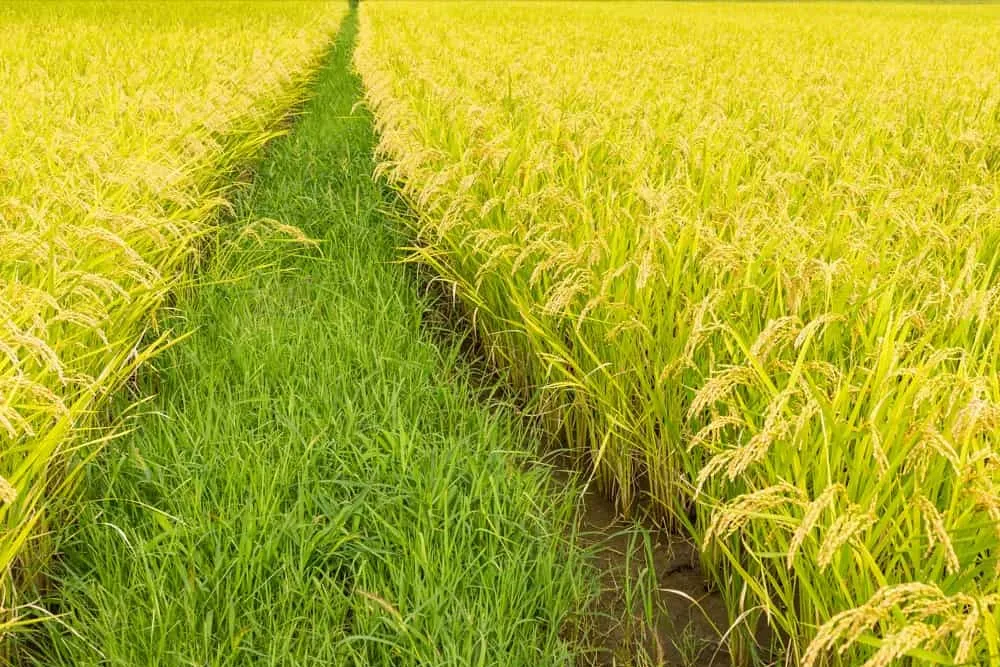
According to a study by the International Rice Research Institute (IRRI), Targeted investment in Direct-Seeded Rice (DSR) research can facilitate the reshaping of India’s future of climate-resilient farming. The IRRI study, in partnership with an Indian research organisation and supported by the Department of Biotechnology, illustrates how targeted investments in DSR research can help address constraints such as water shortage and farm labour costs and offer benefits for farmers and the environment. The government’s support reflects the country’s commitment to climate-resilient agriculture and its international climate pledges. Rice cultivation in India is battling with growing pressures from increasing water shortages, rising farm labour costs, and the impacts of climate change. Traditional transplanted puddled rice (TPR) is resource-intensive, whereas dry direct-seeded rice (DSR) provides a promising alternative. Adoption of dry DSR, however, has been limited as most popular rice varieties were not bred for direct seeding. An IRRI rice breeder stated that Direct-seeded rice only works if farmers can rely on it year after year. Consistent investment allows us to deliver varieties that perform under diverse conditions.
Furthermore, the new research emphasises enhancing widely grown rice varieties for direct seeding so they can establish quickly, grow vigorously, and deliver stable yields, while remaining resilient to pests and diseases. Field trials carried out over various seasons showed that the top-performing lines yielded about 15% more under the DSR method of rice cultivation, while also performing well in conventional transplanting conditions. Notably, this dual adaptability provides farmers with flexibility and resilience under changing environmental conditions. Vikas K. Singh, Regional Breeding Lead for South Asia at IRRI, stressed the significance of investments in DSR in bringing enhanced varieties for farmers’ use.
AAU rolls out purple rice cookies & cakes made from Labanya variety
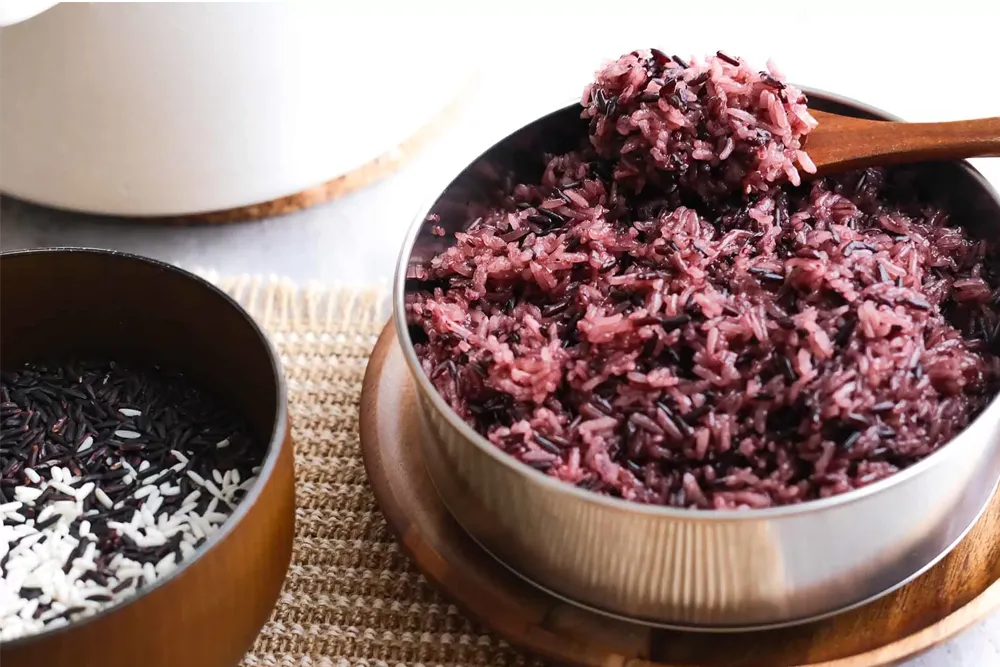
Assam Agricultural University (AAU) has rolled out cookies and cakes made from its innovative purple rice variety 'Labanya'. The cookies and cakes were branded as IndiGo Purple Rice Cookies, which would soon be available commercially. Interestingly, the launch took place at the Vice-Chancellor's Conference Hall on Tuesday. A 29-member NABARD delegation, led by Chief General Manager Loken Das, attended the event. Notably, the products are produced by the Bajalbari Na-Kuhipat Farmer Producer Company, an initiative of the Assam Rice Research Institute under AAU.
Notably, Labanya is an output of the traditional richness of black rice with modern agronomic traits that make it appropriate for large-scale cultivation and contemporary consumer preferences. It emerged as a unique plant variety due to its registration under PPVFRA, which secures its intellectual property rights, protecting the interests of both the university and the farmers who cultivate it.
Furthermore, it holds the beneficial qualities of traditional black rice, such as the antioxidant richness and nutritional profile, while also including improvements that make it more appropriate for modern farming systems and regular dietary use. Not only this, it has a tremendous yield potential since it can produce between 4.5 and 5.0 tonnes per hectare, a significant improvement over the 1.5 to 2.0 tonnes per hectare yield of conventional black rice varieties. This jump in productivity can critically boost farm income and improve food availability. Apparently, Purple rice, known for its low glycaemic index and rich nutritional profile, including flavonoids, antioxidants, amylase and phenolic compounds, has gained fame for its health benefits. Vice-Chancellor Dr Bidyut Chandan Deka expressed confidence that the products would be well received and promote public health awareness. Director of Research Dr Sanjay Kumar Chetia and Director of Extension Education Dr Manoranjan Neog illustrated the AAU's recent innovations and achievements through an audio-visual presentation. The programme, anchored by Registrar Tapan Kumar Gohain, was attended by senior officials and faculty, including Dr Prasanna Kumar Pathak, Dr Anup Kumar Das, Dr Nandita Bhattacharyya, Dr Ranjit Kumar Saud and Dr Mrinal Saikia. The NABARD team also toured AAU's departments and farms, interacting with scientists and researchers, coordinated by NABARD District Development Manager Montu Das. The launch underscores AAU's efforts to promote value-added agricultural products while supporting local farmers and public health.
You can visit the Commodity Today channel on YouTube to watch the top 10 news today related to the rice sector.
Share this article
Article Info
Read Time
6 min read
Published
6 Feb 2026
Author
Megha Bajaj
Category
News