Pakistan Amends DLTL Scheme to Strengthen Rice Export Competitiveness
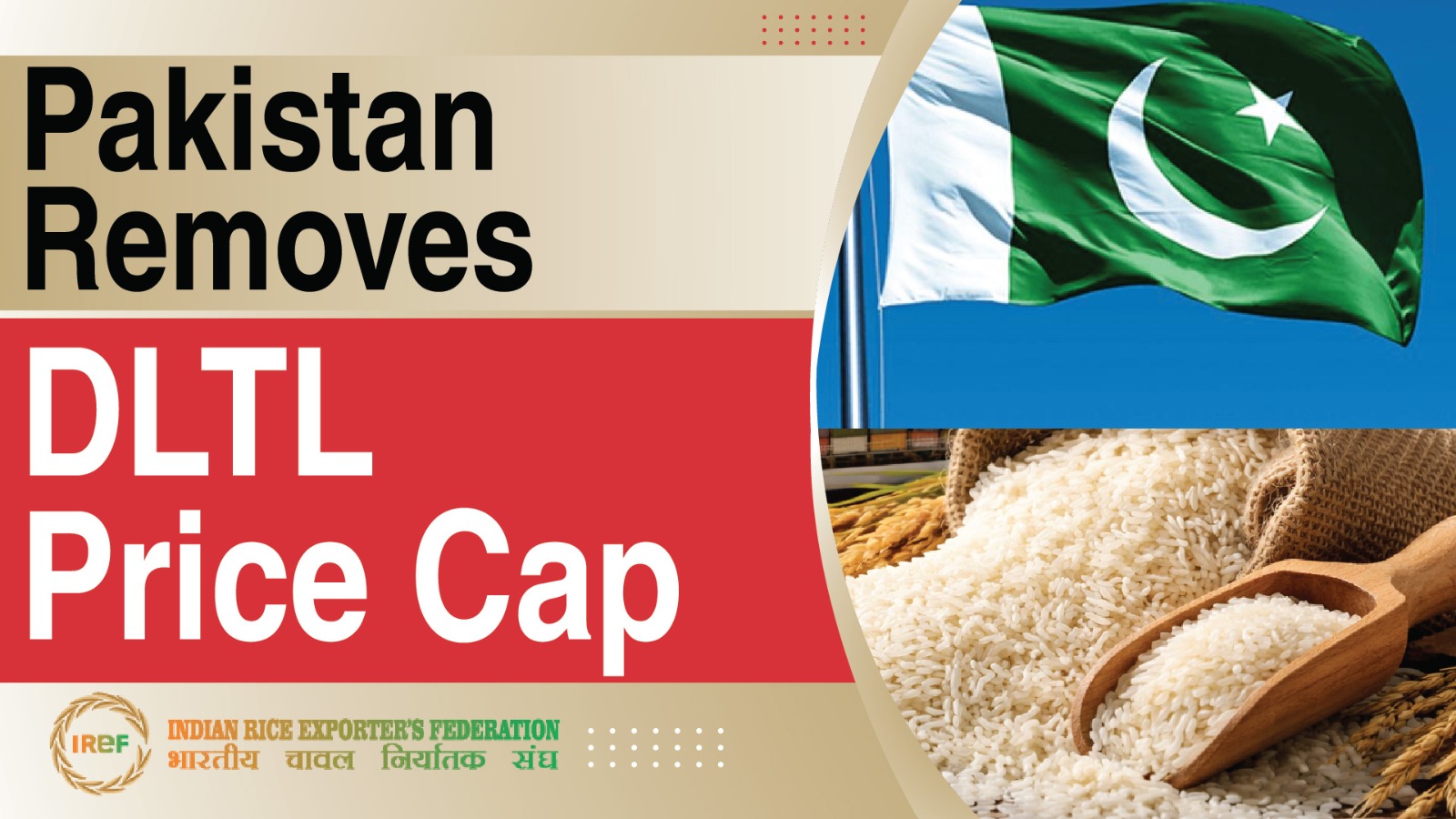
The Ministry of Commerce, Pakistan, has announced major amendments to the Duty and Tax Remission for Exports (DLTL) scheme, aiming to enhance the country’s rice export competitiveness in global markets. The most significant change is the removal of the $1,275 per metric ton price cap that previously applied under the DLTL framework. The government has replaced the cap with a system of fixed rebate rates for rice exporters. The revised structure has been implemented with retrospective effect from January 23, meaning exports made on or after this date will qualify under the new rebate mechanism.
PKR 15 Billion Subsidy Allocation
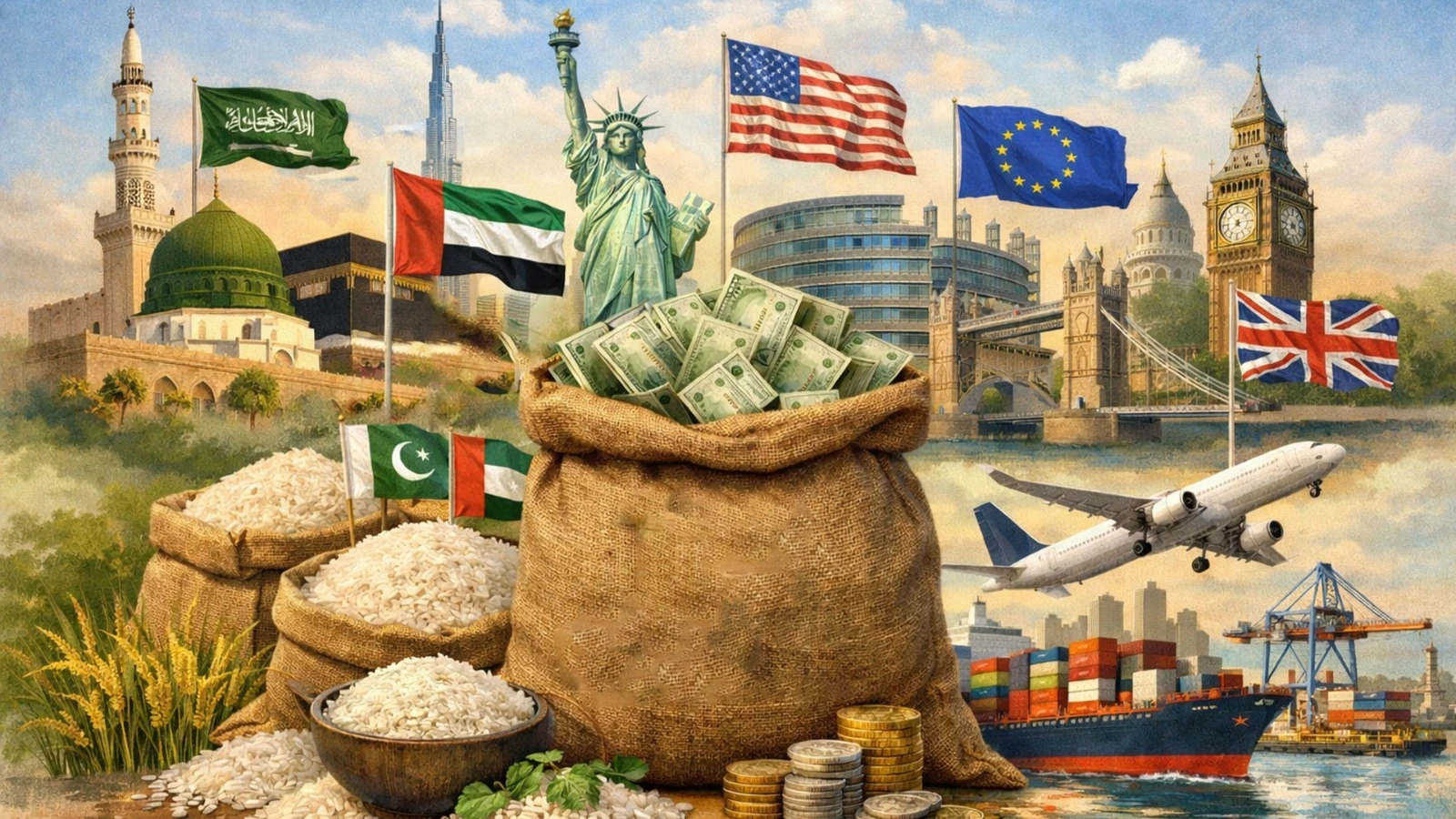
To support the revised policy, the government has allocated approximately PKR 15 billion in subsidies. The objective is to enhance Pakistan’s positioning in key international markets, including:
- Saudi Arabia
- United Arab Emirates
- United States
- European Union
- United Kingdom
Officials believe the removal of the price cap will improve pricing flexibility, making Pakistani rice more competitive against regional suppliers.
Mixed Reactions from the Rice Export Sector

The decision has drawn mixed responses from industry stakeholders. Some exporters have welcomed the move, arguing that eliminating the price ceiling allows greater flexibility in negotiating contracts. They believe the revised DLTL scheme could encourage higher-value export deals, particularly for premium rice varieties such as basmati. However, concerns have also emerged within the sector. One key issue raised is the risk of over-invoicing, where export values could be artificially inflated to claim larger rebates under the new structure
Concerns Among Small and Medium Exporters
Small and medium-sized rice exporters have expressed apprehension that the new framework may disproportionately benefit larger companies with stronger financial resources and established international networks. They argue that smaller exporters may struggle to compete if rebate benefits are captured primarily by bigger players. Industry observers note that ensuring regulatory safeguards will be critical to maintaining transparency and fair competition.
Competitive Pressure from India
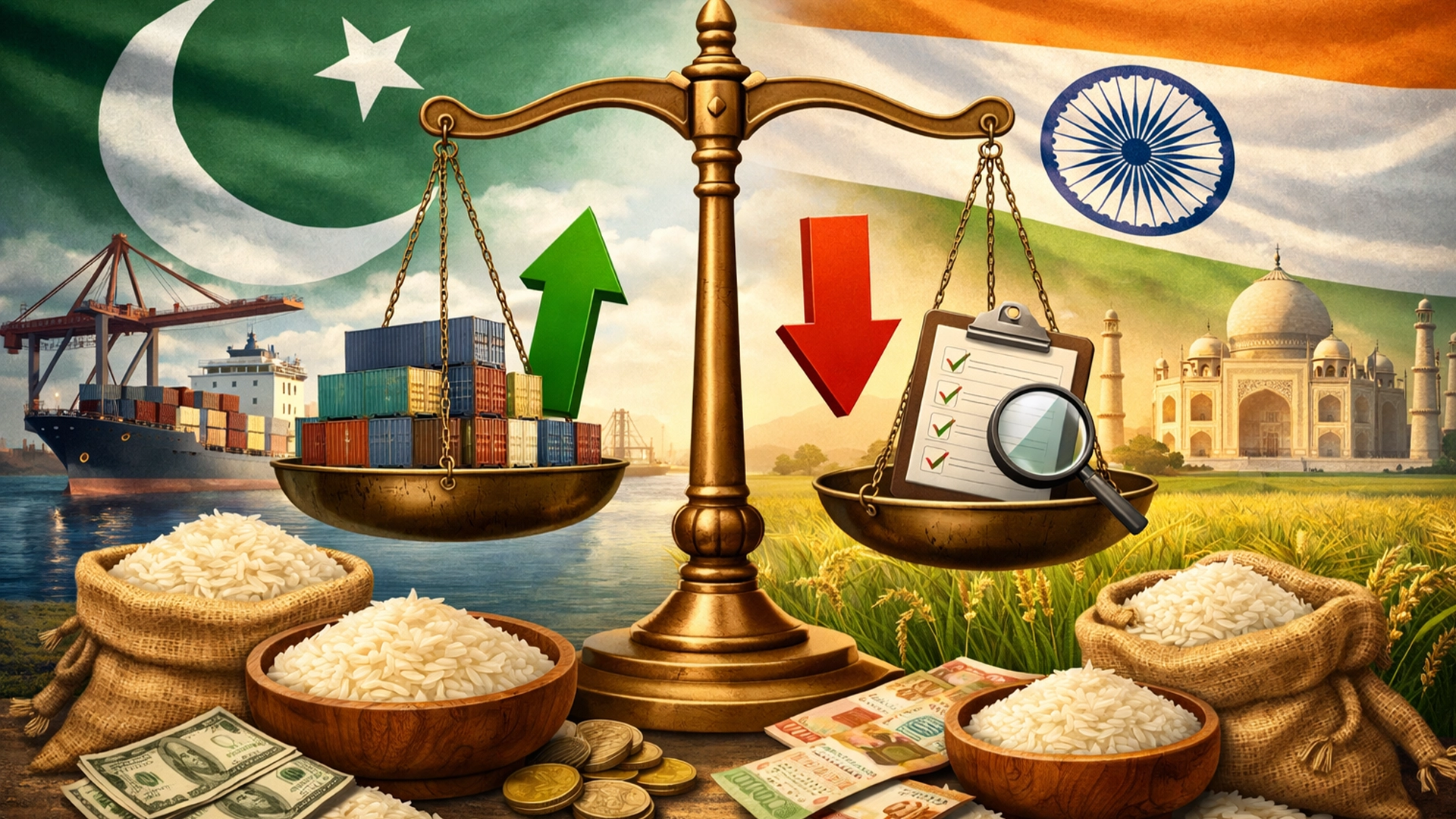
The policy revision comes at a time when Pakistani basmati rice faces intense price competition from Indian suppliers in global markets. Adjustments to export incentives are increasingly being used as tools to strengthen trade positioning. Analysts suggest that the success of the revised DLTL scheme will depend on balancing two key objectives:
- Boosting export growth
- Maintaining strong regulatory oversight
Potential Impact on Global Rice Trade

As global rice trade becomes more competitive, export-focused policy reforms are playing a growing role in shaping market dynamics. The removal of the price cap could potentially increase Pakistan’s export volumes and value realisation in key markets. However, market observers will closely monitor whether the new structure translates into measurable export growth or introduces structural challenges within the sector. The coming months are expected to provide clearer insight into how the revised DLTL framework affects Pakistan’s rice exports and its standing in international trade.
Share this article
Article Info
Read Time
3 min read
Published
20 Feb 2026
Author
Megha Bajaj
Category
News