Iran’s Currency Crisis Hits Indian Basmati Rice Exports; ₹2,000 Crore Worth Of Rice Stranded At Ports
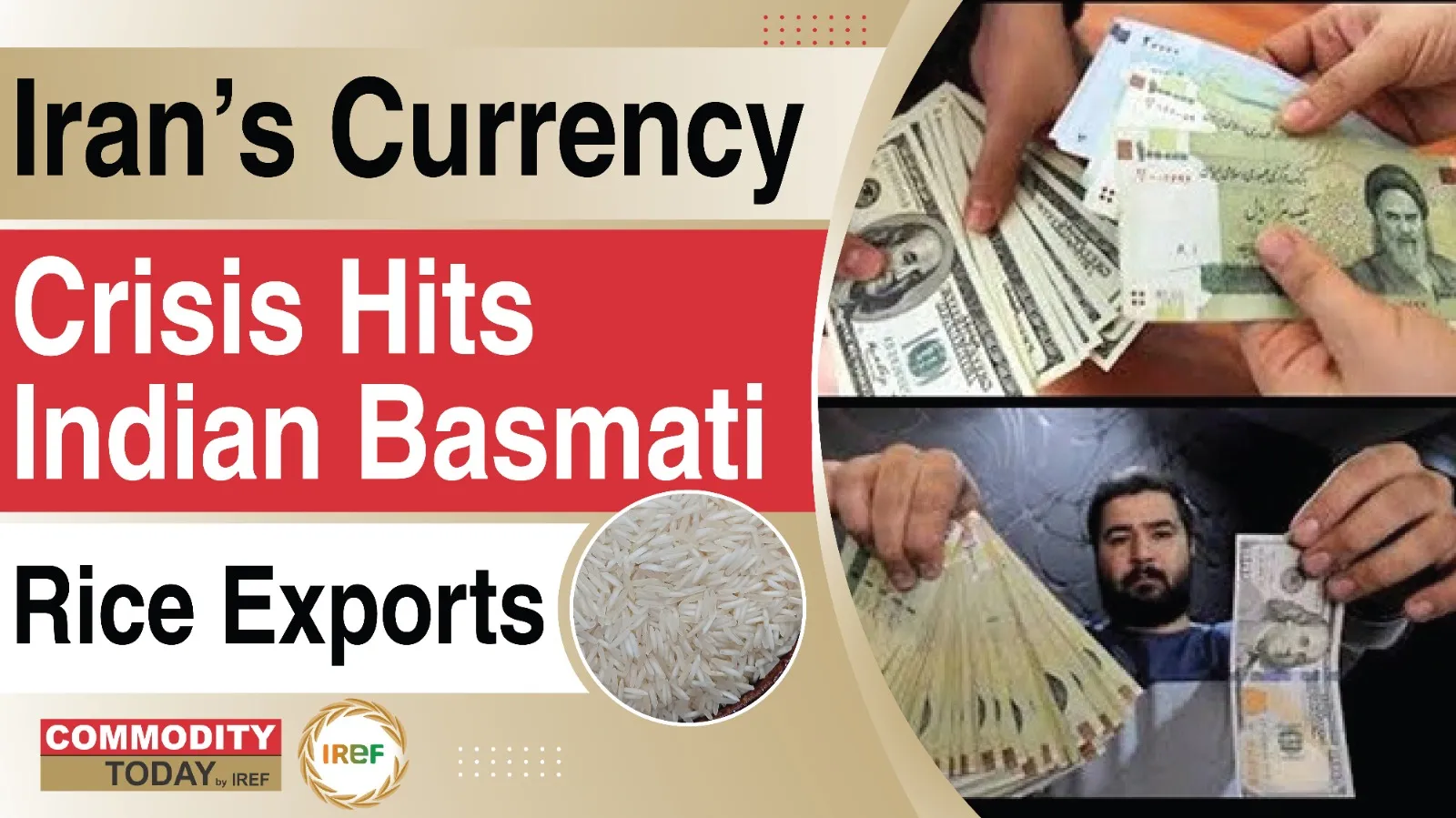
Iran’s Currency Crisis Hits Indian Basmati Rice Exports; ₹2,000 Crore Worth Of Rice Stranded At Ports
A sharp collapse of Iran’s currency, leading to payment delays, has affected India’s basmati rice exports, leaving consignments worth nearly ₹2,000 crore stranded at major ports such as Kandla and Mundra. The crisis has raised concerns for farmers, millers and exporters, particularly in Punjab and Haryana, and could dent India’s overall basmati rice exports performance this financial year.
Iran’s currency, the rial, has plunged to a historic low of around 1.3 million against the US dollar. The steep depreciation has triggered high inflation and acute foreign exchange shortages in the country, forcing the Iranian government to withdraw subsidies on food imports. As a result, Iranian importers are struggling to arrange payments, prompting Indian exporters to halt fresh shipments.
Iran Is the 2nd‑Largest Importer of Indian Basmati Rice
Iran is India’s second-largest buyer of basmati rice after Saudi Arabia, importing around 12 lakh tonnes annually, valued at over ₹12,000 crore. Parboiled (sella) basmati rice varieties are particularly popular in the Iranian market. Industry sources said that with payments uncertain and clearance delayed, exporters have chosen to hold back consignments already moved to ports, rather than risk defaults. The current disruption follows earlier setbacks caused by geopolitical tensions in the region. During the Israel-Iran conflict in 2025, around one lakh tonnes of Indian basmati rice had reportedly been held up. Now, with tighterUS sanctions, persistent inflation and rising regional instability, the situation has worsened. Iranian importers are finding it increasingly difficult to access foreign currency, leading to delayed payments and heightened credit risk.
The impact is expected to be felt across the supply chain. Basmati rice farmers in Punjab and Haryana, already coping with weather-related challenges such as floods, may see pressure on prices as export demand weakens. For small and medium exporters, many of whom have availed cheaper credit under recent government schemes, the crisis poses a serious liquidity risk, with payments of ₹1,500–2,000 crore potentially frozen.
According to trade data, Iran accounted for exports worth ₹6,374 crore in 2024–25. Prolonged disruption could result in a 10–15 per cent decline in India’s overall basmati rice exports this year, industry estimates suggest. Exporters also point to intensifying competition from Pakistan, which has introduced new basmati varieties in key global markets. While the situation presents immediate risks, exporters see some scope for long-term adjustment. Diversifying markets, particularly in Europe, where demand for basmati is rising, could help reduce dependence on a few large buyers. Trade bodies have also urged the government to consider relief measures such as credit guarantees or temporary support to mitigate losses and ease cash flow pressures. Experts say the episode underscores how geopolitical developments and sanctions can have indirect but significant consequences for Indian trade. Strengthening diplomatic engagement with long-standing partners like Iran and accelerating market diversification may be crucial to safeguarding India’s position as a leading global exporter of basmati rice.
Share this article
Article Info
Read Time
3 min read
Published
12 Jan 2026
Author
Megha Bajaj
Category
News