Global Agriculture & Trade Update, Import Bans and Rice Policy Shifts. Today's top rice news is here
Global Agriculture & Trade Update, Import Bans and Rice Policy Shifts. Today's top rice news is here
By Megha Bajaj
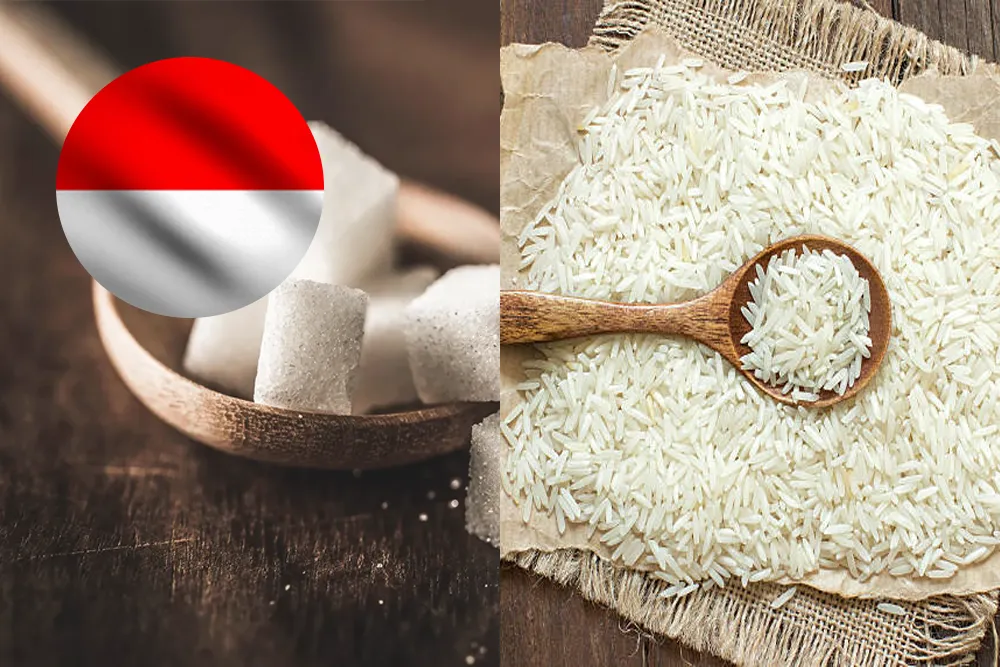
Indonesia Bans Import of 12 Products, affecting Some Thai Exports
Indonesia has declared a ban on the import of 12 product categories, effective January 1, 2026, intending to safeguard local farmers, industries and public health. The ban affects some Thai exports, especially sugar and certain types of rice such as sticky, jasmine and Basmati rice, which now require state approval or can only be imported by state-owned enterprises. Whereas sugar imports may still be permitted under an older regulation for processing purposes, several other banned items include used bags, second-hand clothes, hazardous materials and certain raw materials for food and pharmaceuticals. Most of the restrictions have minimal impact on Thai exports, sugar remains the main concern for exporters.
Indonesia 2025 rice output up 13% on Good Weather, stats bureau says
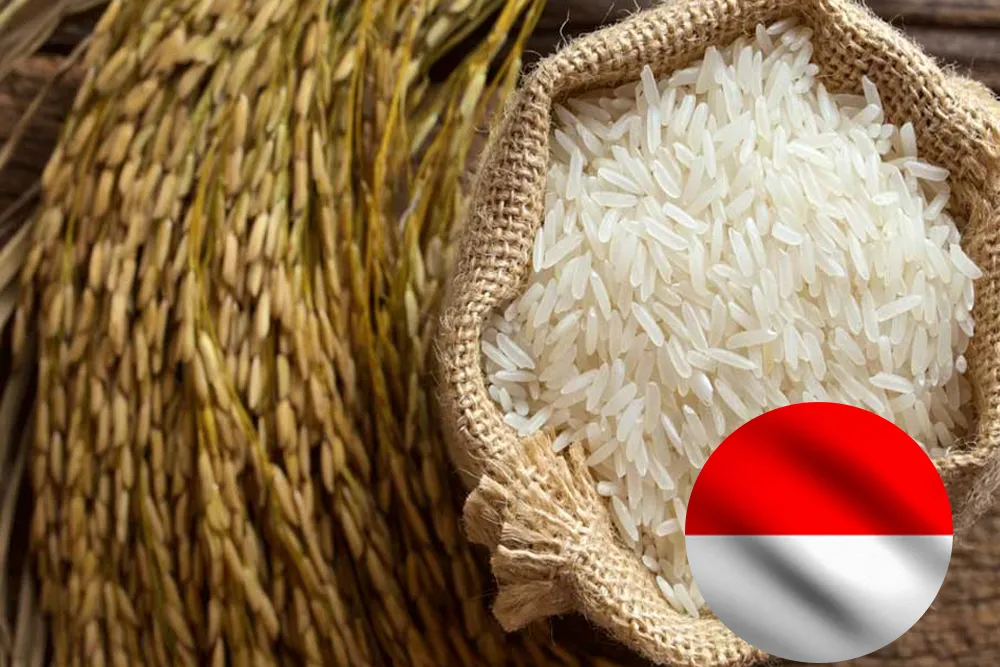
Indonesia’s 2025 rice production increased by about 13% compared with the previous year, reaching around 34.69 million metric tons, supported by favourable weather conditions, according to the country’s statistics bureau. The agency also reported that rice output in the January-March 2026 period is expected to remain strong, rising more than last year’s levels as favourable conditions continue.
Rice policy revived ahead of Japan election as PM Takaichi shifts course
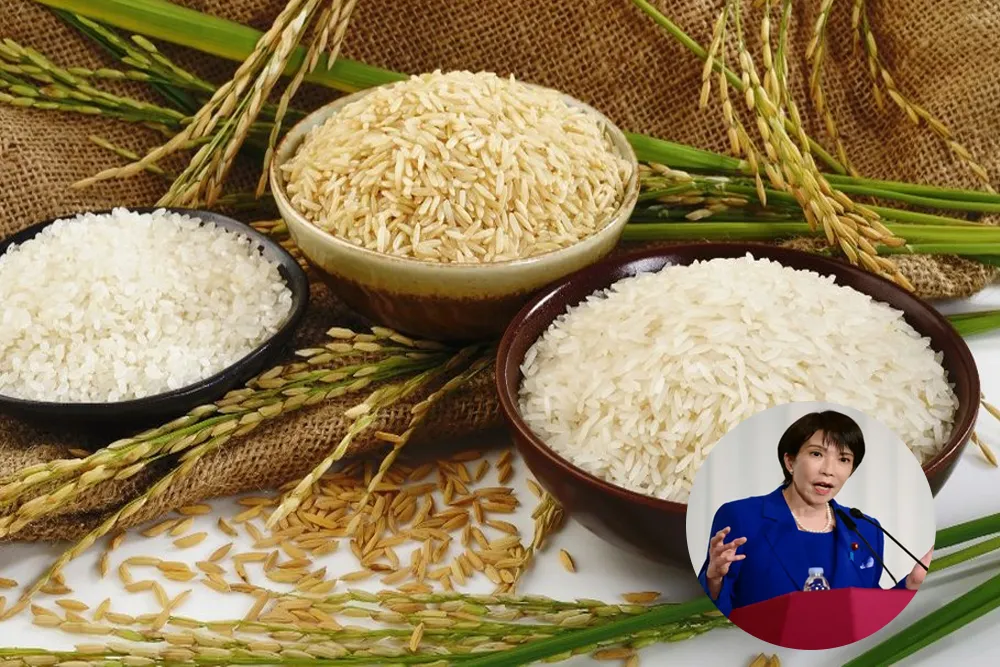
Japan’s upcoming Feb 8, 2026, general election has brought the country’s rice policy back into focus as Prime Minister Sanae Takaichi reverses parts of her predecessor’s approach amid surging rice prices and public concern. Takaichi’s shift includes scaling back efforts to expand rice production and instead prioritising demand- driven policy and targeted support like rice vouchers, a move that has drawn mixed reactions from farmers and voters ahead of the election. Moreover, the issue reflects broader economic pressures, including inflation and food cost worries that are shaping political debate in Japan.
Share this article
Article Info
Read Time
2 min read
Published
3 Feb 2026
Author
Megha Bajaj
Category
News