India-EU Free Trade Agreement, Mother Of All Deals - A Historic Milestone For India And Its Benefits?
India-EU Free Trade Agreement, Mother Of All Deals - A Historic Milestone For India And Its Benefits?
By Megha Bajaj
India and the European Union have signed a free trade agreement, hailing it as the mother of all deals. It's a big milestone for both sides on January 27, indicating a decisive shift in how both sides approach economic partnerships in an increasingly fragmented global trade environment. It came together over nearly two decades of intermittent negotiations and during a geo-economic crisis caused by US President Donald Trump and his relentless tariffs. Notably, the Free Trade Agreement between India and the 27-Nation EU covers about 2 billion people and represents a combined market of nearly $27 trillion and about 25 per cent of the global Gross Domestic Product (GDP).
What did PM Modi and EU President Ursula say over Free Trade Agreement?
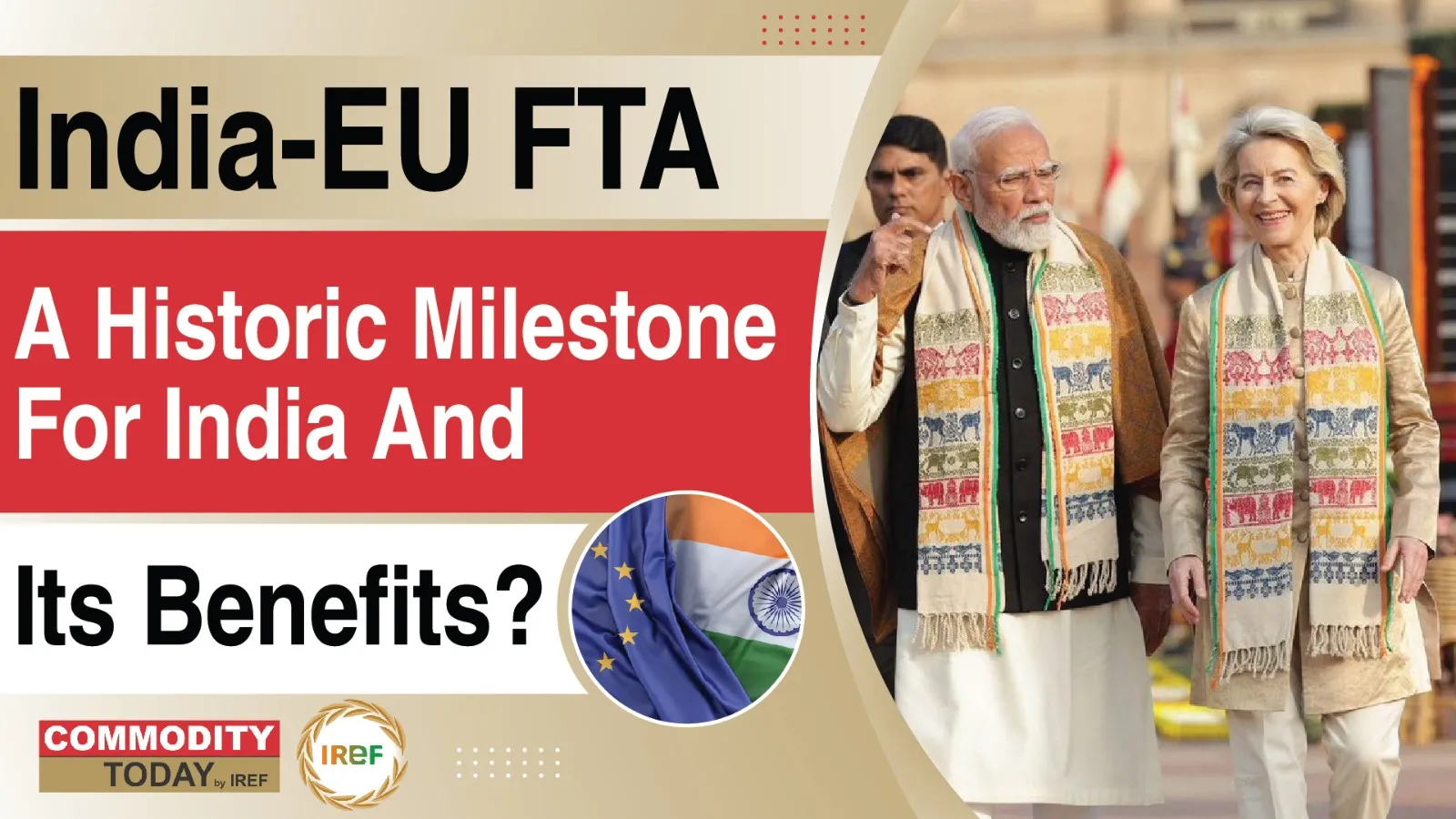
Interestingly, European Commission President Ursula von der Leyen and European Council President Antonio Costa joined Prime Minister Narendra Modi in New Delhi on Monday, Jan 26, as honorary guests for Republic Day and its annual military parade. According to experts, the deal is expected to significantly decrease tariffs for India and the EU.
An image shared on European Commission President Ursula von der Leyen’s X handle stated that “Europe and India are making history today. We have concluded the mother of all deals. We have created a free trade zone of two billion people, with both sides set to benefit. This is only the beginning. We will grow our strategic relationship to be even stronger”. The deal is a historic landmark for India and the most comprehensive trade agreement, and covers goods, services and investments across the EU’s customs union.
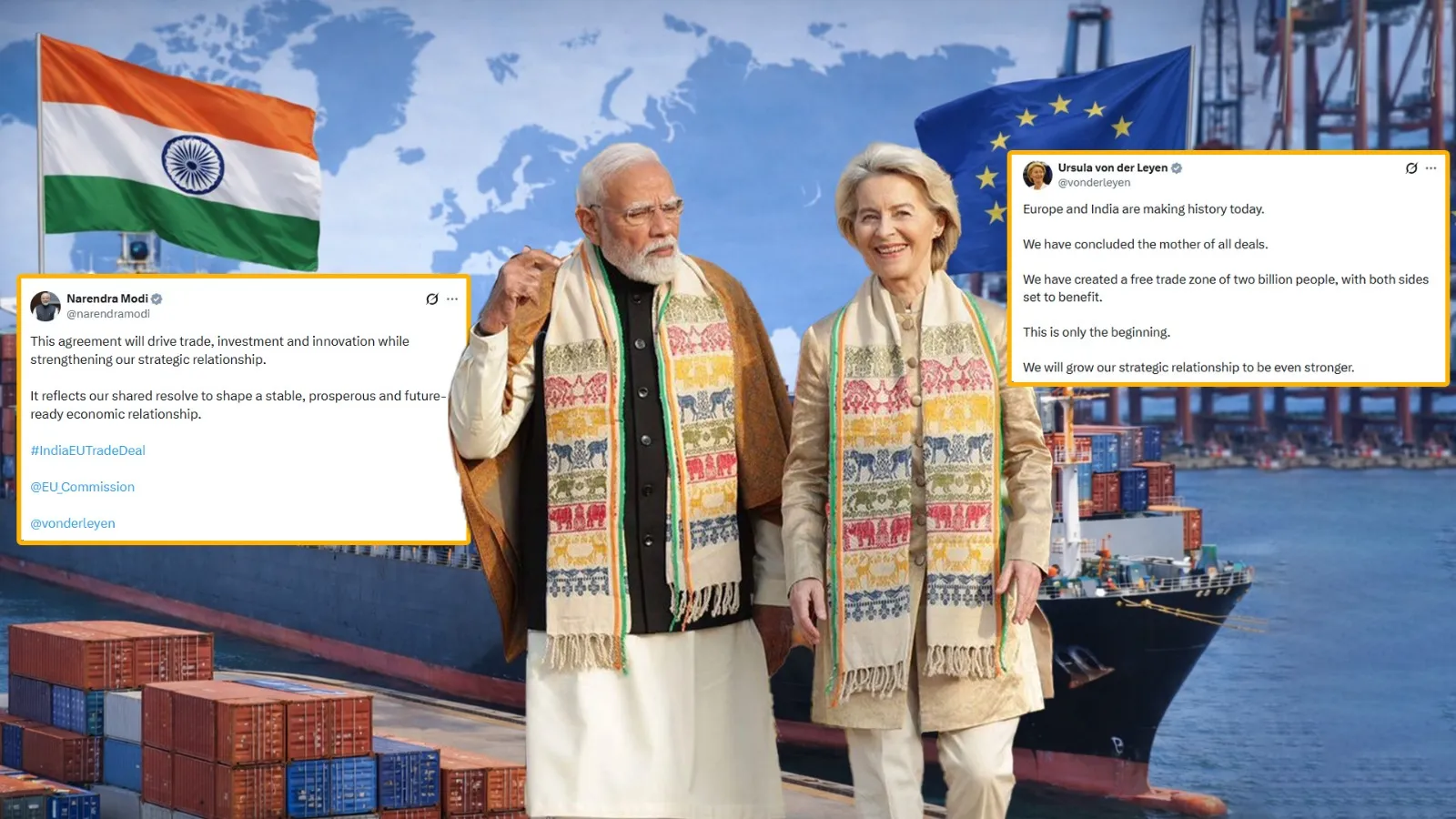
Whereas, the post shared on Prime Minister Narendra Modi’s X handle says: “This agreement will drive trade, investment and innovation while strengthening our strategic relationship. It reflects our shared resolve to shape a stable, prosperous and future-ready economic relationship”.
The EU is giving India access to 144 services subsectors, whereas India is opening 102 subsectors to the EU, including in the financial, maritime and telecommunications. Prime Minister Narendra Modi told Indian workers and industry leaders in sectors such as textiles, gems and Jewellery that the agreement will prove very helpful for them. He added that it will not only boost manufacturing in India but will also expand India’s services sector. Furthermore, he mentioned that this free trade agreement will boost confidence in India for every business and every investor in the world. India is working extensively on global partnerships in all sectors”.
Will this Trade deal Benefit to EU?
Interestingly, both sides will benefit from this trade deal. First, we will take a glance on EU. What kind of benefits will you get from this Free Trade Agreement? Indian Tariffs on 30 per cent of goods imported from the EU will fall to Zero immediately. As per EU officials, Tariffs on 96.6 per cent of EU goods exports to India will be eliminated or decreased. The deal will save up to 4 billion euros a year in duties on European Products. Apart from the relaxation of tariffs in car imports from the EU, existing Indian tariffs of up to 44 per cent on machinery, 22 per cent on chemicals, and 11 per cent on Pharmaceuticals will be eliminated.
In addition, tariffs on EU aircraft and spacecraft will also be eliminated for almost all products while those on optical, medical and surgical equipment will be eliminated for 90 per cent of products.
Not only this, but spirits and wines also imported to India from the EU, currently tariffed at 150 per cent, will be cut to 20 to 30 per cent for wines, 40 per cent for spirits and 50 per cent for beer.
Additionally, India will also provide improved access for EU firms in financial and maritime services, and both sides will simplify customs rules and provide stronger intellectual property protections.
Will this trade deal benefit to India?
Now, we will find out that how much benefit will India gain from this deal?
Now, EU will scrap all tariffs on 90 percent of Indian goods, and within seven years, that will be extended to 93 percent of Indian goods.
Among those benefitting from zero tariffs immediately are marine products, like as shrimp and frozen fish (currently levied at up to 26 percent); chemicals (12.8 percent); plastics and rubber (6.5 percent); leather and footwear (17 percent); textiles (12 percent); apparel (4 percent); base metals (10 percent); and gems and jewellery (4 percent). There will be partial tariff cuts and quotas for about 6 percent of Indian goods, bring-ing the EU's average tariff rate down from 3.8 percent to 0.1 percent.
Notably, 99.5 percent of bilateral trade will benefit from some form of tariff concession. India is still looking for improvements in tariff-free steel export quotas, and the outcome of these talks is due by June 30 before EU rules take effect on July 1. Under the deal as it stands, India would be allowed to export 1.6 million tonnes of steel to the EU duty-free, but this is only about half what it exports annually at present.
Agri sector to gain from India-EU FTA
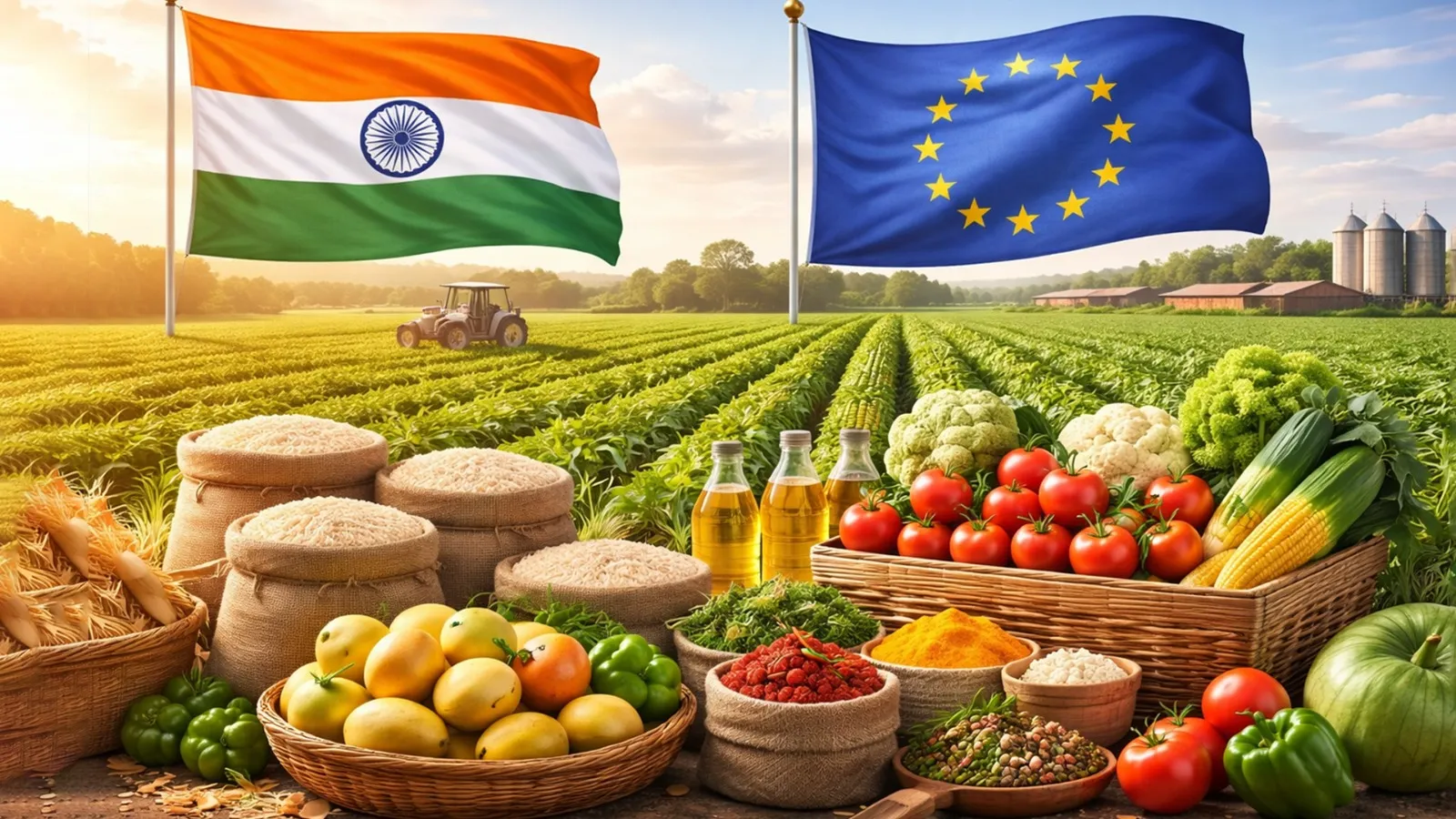
The proposed Free Trade Agreement (FTA) between India and the European Union (EU) is expected to significantly benefit Indian agricultural exports. Several agricultural products, including table grapes, gherkins, coffee, and tea, could witness improved opportunities in the European market. Stakeholders in the agricultural sector say that tariff reductions will not only expand the market but also enable India to compete more effectively with producers from other countries.
According to Grape Experts, Indian grape exports currently face an 8 percent duty in Europe. A reduction in this duty would be a major boost for India. India's table grape exports to Europe have already exceeded ₹3,000 crore, and the implementation of the FTA would lead to an increase in both exports and farmers' income.
The Agreement would be immensely beneficial for the gherkin industry. Currently, Indian gherkins face a 14.4 percent duty in Europe, while countries like Turkey enjoy zero duty. After the FTA, India will be able to compete more effectively with Turkey and Eastern European countries in the European market. Currently, 35-40 percent of India's total gherkin exports go to Europe.
Moreover, soluble coffee would benefit from the tariff reduction. Green coffee is already duty-free in the EU.
What do the other experts say?
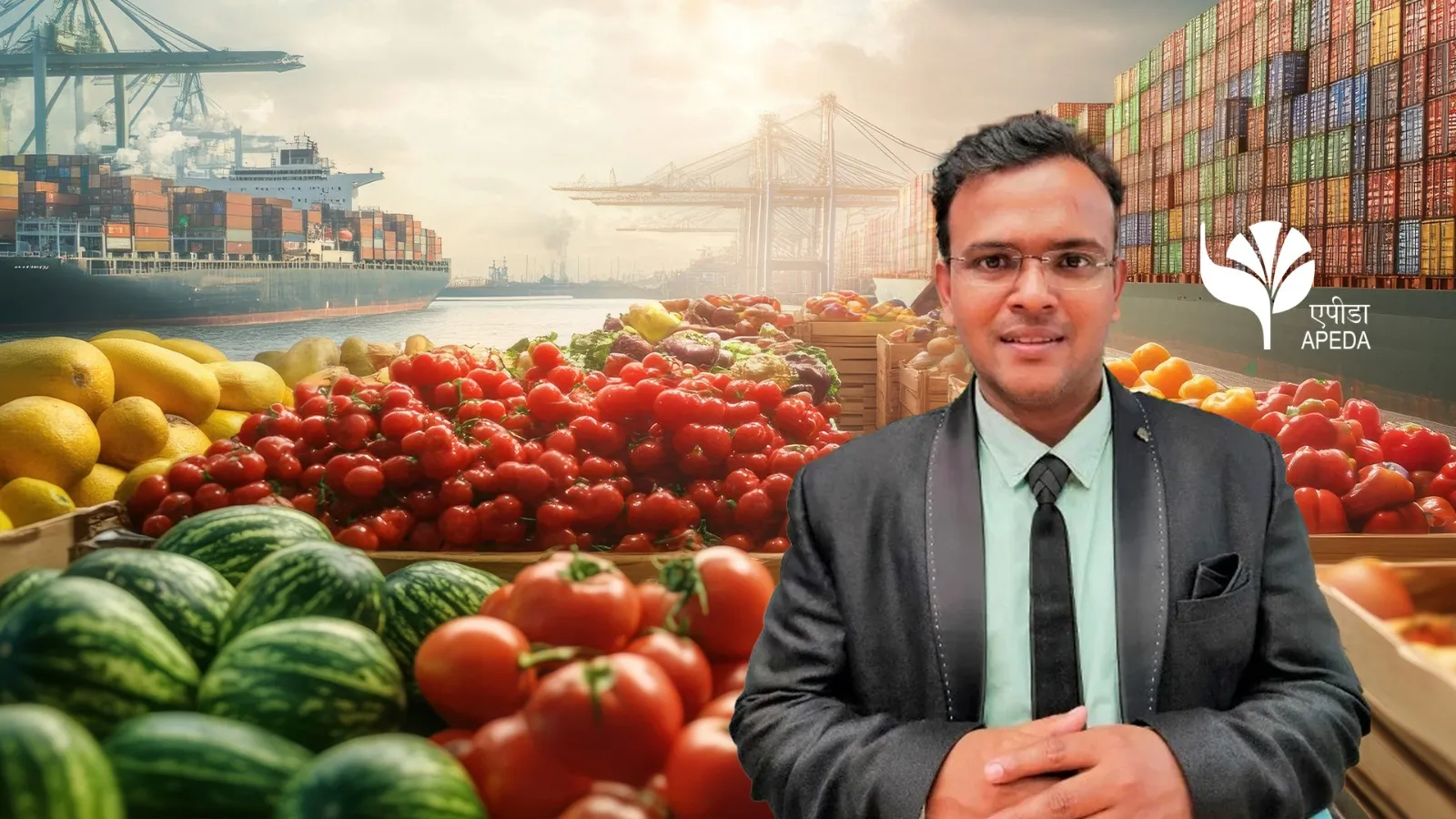
Parashram Patil, a member of APEDA and an agricultural economist, said that the FTA would benefit India's high-value and standard-compliant agricultural products, but this would require strong domestic policies. According to Srinivas Kuchibhotla, a partner at Deloitte India, this agreement could boost India-EU agri-food trade to $7-8 billion, potentially generating an additional $2.5-3.5 billion in exports. However, this would require strengthening Farmer Producer Organizations (FPOs), ensuring easier access to credit, and developing robust traceability infrastructure.
Share this article
Article Info
Read Time
6 min read
Published
28 Jan 2026
Author
Megha Bajaj
Category
News