Hybrid Rice Cultivation in Bangladesh Doubles in Five Years, Production Share Reaches 19%
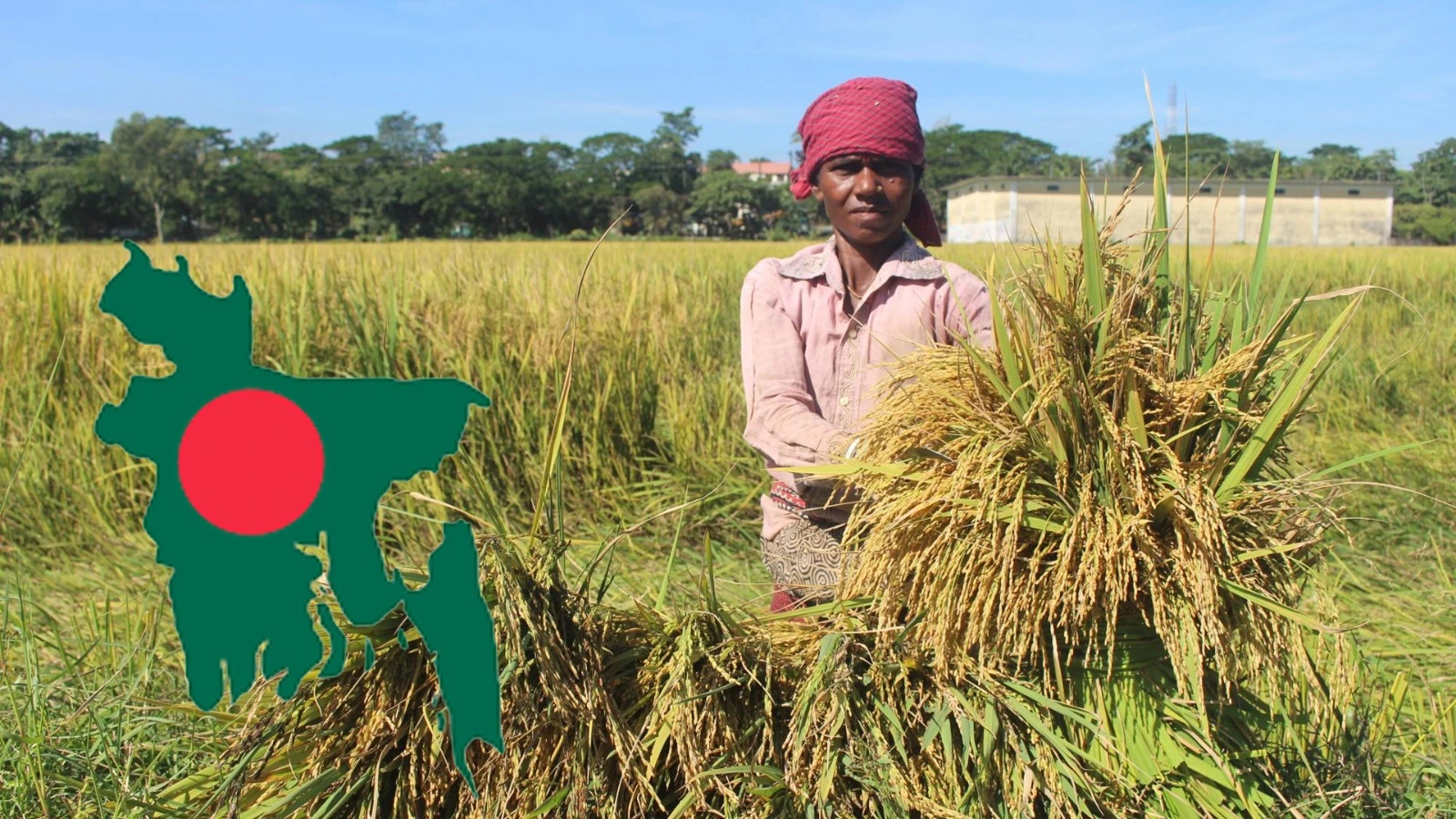
Hybrid Rice Cultivation in Bangladesh Doubles in Five Years, Production Share Reaches 19%
By Megha Bajaj
Hybrid rice cultivation in Bangladesh has nearly doubled over the past five years, marking a significant transformation in the country’s rice farming landscape. The shift highlights farmers’ growing preference for high-yielding varieties as the nation boost food security and modernizes its agricultural systems. Data from the Bangladesh Bureau of Statistics stated that hybrid rice accounted for around 8 percent of the total rice cultivation area five years ago. In fiscal year 2024–25, that figure has climbed to approximately 15 percent of the country’s total paddy acreage.
Hybrid Rice Now Contributes 19% to National Output
The expansion in cultivated area has directly translated into higher production levels. Hybrid rice varieties now contribute nearly 19 percent of Bangladesh’s total rice output, reflecting their increasing importance in the national food basket. The steady rise indicates a structural shift, with farmers moving away from traditional and inbred varieties toward high-yielding hybrid seeds. Higher productivity potential, improved adaptability, and better returns per hectare appear to be key drivers behind this transition.
Consumer-Friendly Varieties Drive Farmer Adoption
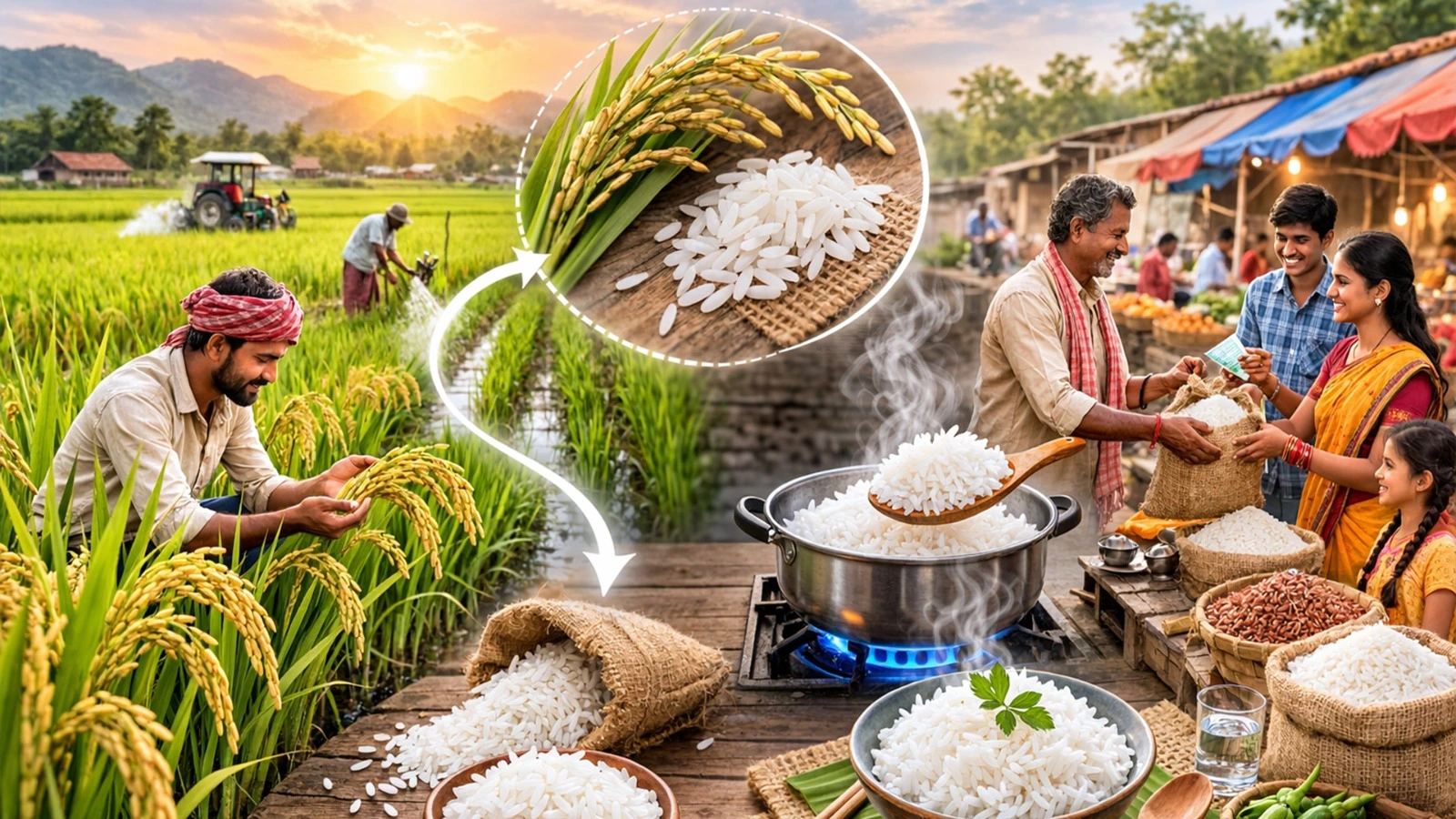
One of the main reasons behind the rapid adoption of hybrid rice is the development of improved varieties that align more closely with consumer preferences.
New-generation hybrid rice varieties offer:
- Slender grain structure
- Lower stickiness
- Improved cooking and eating quality
- Better market acceptance
These qualities have strengthened demand in domestic markets, encouraging farmers to dedicate more land to hybrid cultivation. Improved resilience under varying climatic conditions has also boosted farmer confidence, especially amid changing weather patterns and production risks.
Impact on Regional Rice Trade
Bangladesh is one of South Asia’s leading rice-producing nations, and the rapid growth of hybrid rice cultivation could influence regional supply dynamics in the coming years.
A higher share of hybrid rice may contribute to more stable domestic supplies while potentially opening new opportunities in export markets. Industry observers are closely monitoring how this shift may affect domestic consumption patterns, trade flows, and Bangladesh’s competitiveness in regional rice trade.
What Lies Ahead for Hybrid Rice in Bangladesh?
The coming years will determine whether hybrid rice becomes a dominant pillar of Bangladesh’s agricultural strategy. If current growth trends continue, hybrid varieties could play an even larger role in ensuring food security, boosting productivity, and strengthening the country’s rice value chain. For now, the doubling of hybrid rice cultivation over five years signals a clear transformation in Bangladesh’s farming landscape, one driven by productivity, market demand, and modernization.
Share this article
Article Info
Read Time
3 min read
Published
20 Feb 2026
Author
Megha Bajaj
Category
News