How Does Seawater Rice Turn Salt-Affected Land Into Usable Farmland?
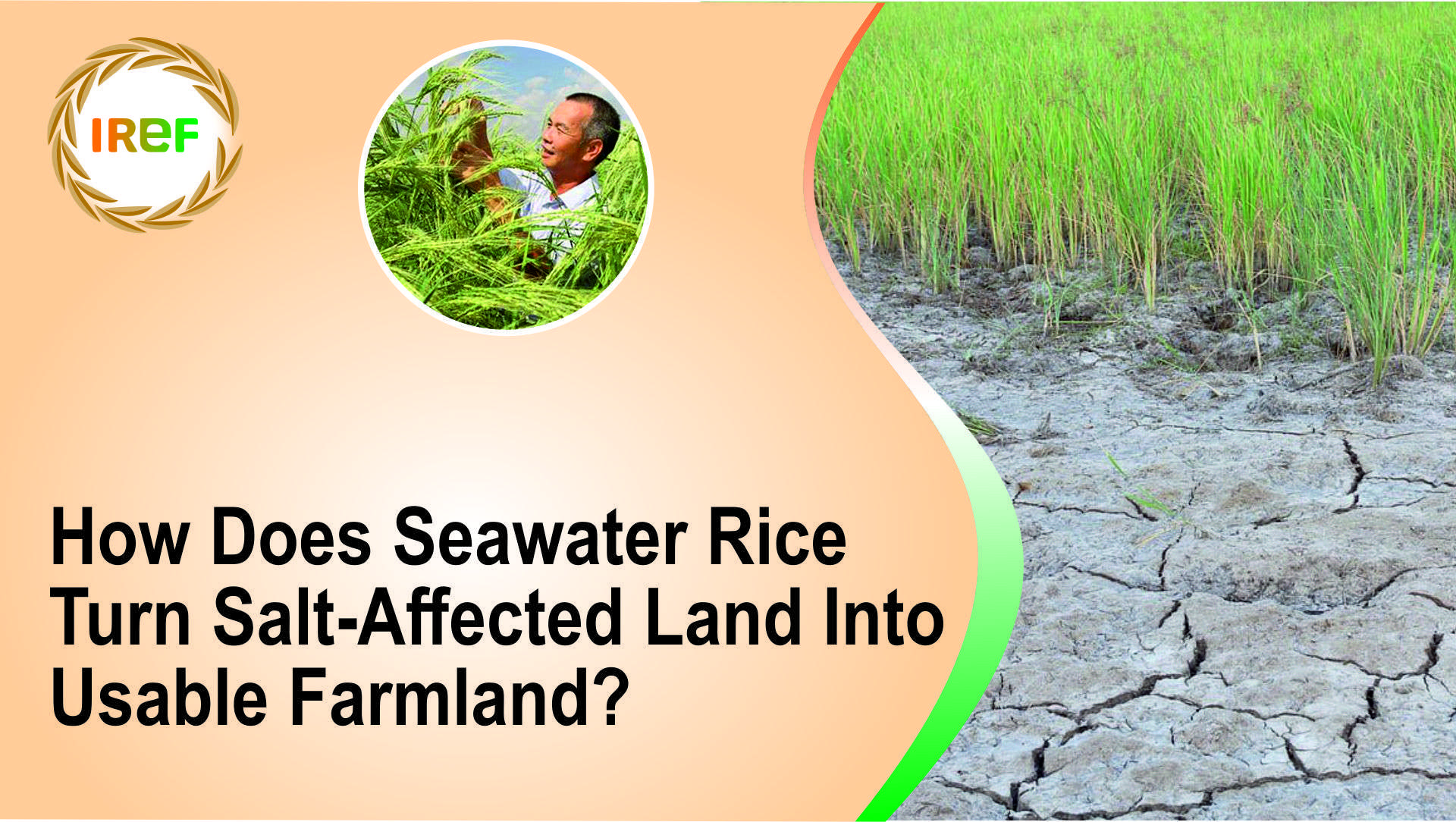
Generally, for farmers, growing rice is a difficult than other growing crops as its cultivation requires more effort. Not only this, but it also involves significant factors such as weather, proper water, fertiliser & adequate farmland. Rice crops cannot be grown everywhere as suitable rain and soil are essential for them. However, a discovery made recently has revealed the surprising fact that rice can be grown even in salt water, i.e. seawater rice.
Seawater rice: The breakthrough of Chinese scientists
Chinese scientists have made a breakthrough that could provide great hope for global food security. This will allow rice to be grown in areas with salty and alkaline water, even in areas where grass grows. This has been made possible by the recent discovery of a new variety called Seawater Rice, a major development in the field of agriculture. Behind this invention lies the dream of Yuan Longping, a famous Chinese scientist who is known as the father of hybrid rice. This project, which started with his inspiration, is now being continued by the Qingdao Saline-Alkali Tolerant Rice Research Centre. In a test conducted in the Tianjin region of China, this rice produced 4.6 metric tons more per acre. This has given new hope to scientists by yielding more than the normal rice variety. By 2024, this seawater rice was grown in an area of 4 lakh hectares, and there is a plan to expand it to 6.67 lakh hectares by 2025. According to the report, if this rice were grown on just 10% of the saltwater land in China, the country's rice production could increase by 20%. This would increase the capacity to feed 200 million people by 2030. The discovery of this seawater rice would not only be a significant step forward in the agricultural sector but also in providing a permanent solution to the problems of climate change, rising sea levels, and shrinking farmland.
Share this article
Article Info
Read Time
2 min read
Published
2 Sept 2025
Author
Megha Bajaj
Category
News