From Indonesia’s Food Staples Halt To India’s Rice Procurement From Odisha Here Are Some Significant Rice News of The Day
From Indonesia’s Food Staples Halt To India’s Rice Procurement From Odisha Here Are Some Significant Rice News of The Day
From Indonesia’s Food Staples Halt to India’s rice procurement from Odisha. Here are some significant rice news of the day. The first rice news story is about rice procurement. The centre has agreed to procure an additional 6 lakh metric tonnes of rice from Odisha. Whereas, the second story is related to a scientific program that will focus on the benefits of fermented rice. In addition, the third rice news story is from Indonesia, which is going to halt the import of key food staples.
Centre To Procure An Additional 6 Lakh Mt Rice: Odisha Minister Patra
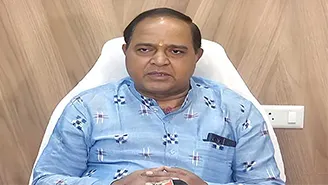
On Thursday, Jan 2, Odisha’s Food Supplies Minister Krushna Chandra Patra said that the Centre has agreed to procure an additional 6 lakh mt of rice from the state. The state government has been appealing to the Centre to procure the surplus rice since warehouses are full. He stated that the government of India has agreed to procure 6 lakh MT of rice, including 5 lakh mt of boiled rice, from Odisha by April. He added that the state has surplus rice of 7 lakh mt. Thus, the remaining 1 lakh mt of rice will be sold through auction.
Scientific Program To Focus On the Benefits of Fermented Rice

A scientific program will be at the government Stanley Medical College Hospital on January 5. Notably, the programme will focus on the health benefits of Pazhaiya soru, which is fermented rice. It intends to highlight the health benefits of fermented rice, with emphasis on evidence-based research, preventive health strategies, nutrition, metabolic health and disease prevention.
Indonesia To Stop Importing Food Staples Such As Corn, Rice And Sugar In 2026
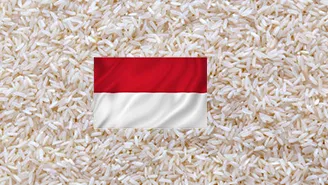
Indonesia will halt the import of significant food staples such as rice, sugar for consumption, and corn in 2026. The move is based on sufficient carryover stocks from 2025 and strong domestic production. The country’s food security outlook for 2026 is secure and self-sufficient, allowing the government to implement a zero-import policy for these strategic commodities.
Share this article
Article Info
Read Time
2 min read
Published
3 Jan 2026
Author
Megha Bajaj
Category
News