From Iran Payment Delays Affect Basmati Rice Exports To India’s Record Rice Crop. Here Are Some Top Rice News Of The Day
From Iran Payment Delays Affect Basmati Rice Exports To India’s Record Rice Crop. Here Are Some Top Rice News Of The Day
Basmati Rice Exports to Iran Affected By Currency Crisis, Stocks worth Rs 2,000 Crore Stranded At Ports
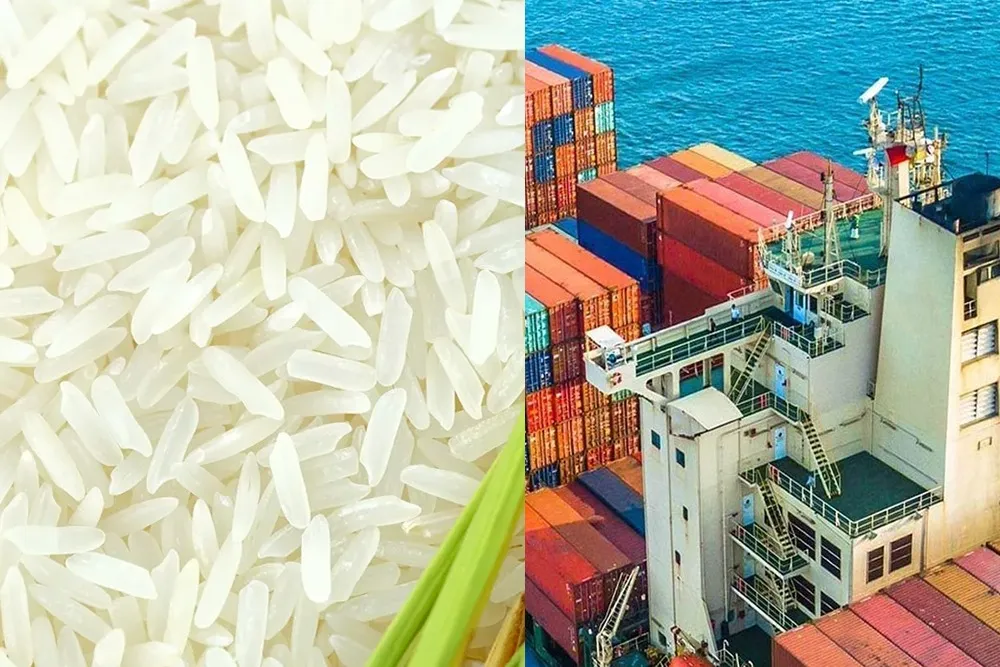
Premium basmati rice exports from India to Iran have been disturbed because of the sharp depreciation of the Iranian rial, followed by tighter US sanctions. Indian Exporters have stopped shipments with Iran withdrawing subsidies on food imports, not only this, but leaving consignments worth about Rs 2,000 crore stuck at ports. Iran has made imports costly after the rial dropped from nearly 90,000 to 1,50, 000 per US dollar, and preferential rates were scrapped. Notably, Iran is a key buyer importing nearly 12 lakh tonnes of Indian basmati annually, 40% from Punjab and Haryana.
India’s Rice Exports Increase Sharply After Curbs Lifted
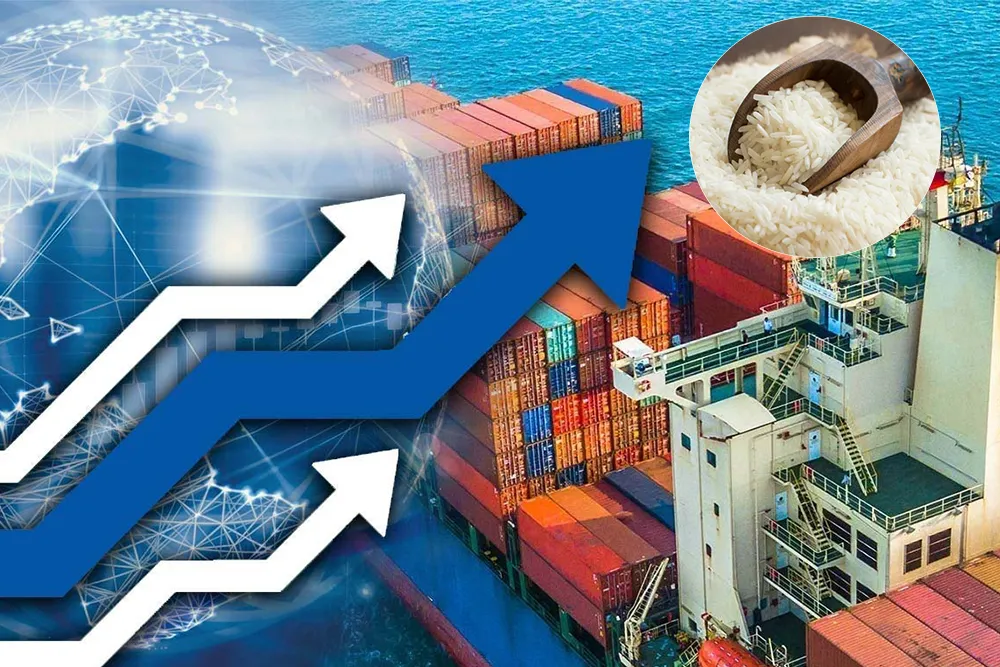
India’s rice exports surged around 19.4 % last year after export curbs were lifted, boosting the position as the world’s largest exporter and pushing Asian rice prices to near-decade lows. Not only this, but India is also increasing value-added exports, along with APEDA facilitating a shipment of fortified rice from Chhattisgarh to Papua New Guinea, underscoring its role in global food and nutritional security.
India’s Record Rice Crop Is Set To Intensify The Slide In Global Prices
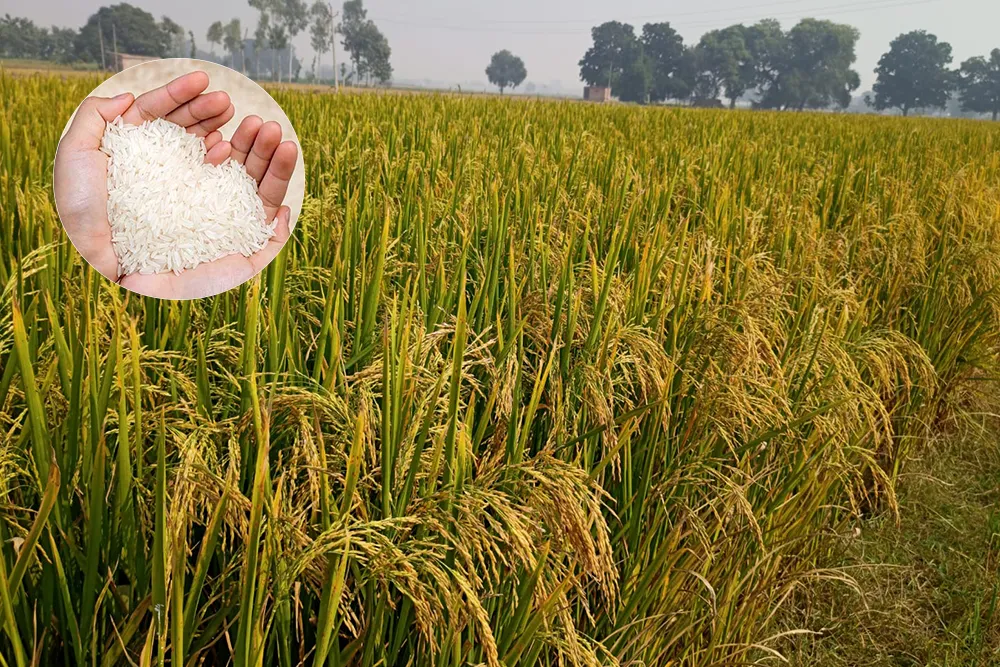
India’s record rice crop is flooding the global market, pressuring prices as demand undermines and significant buyers impose strict import rules. Farmers may face significant rate cuts to compete with rivals like Thailand and Vietnam. Interestingly, Analysts forecast a potential drop of $15 to $25 ton by spring because of a lack of immediate African and Middle Eastern interest.
Share this article
Article Info
Read Time
2 min read
Published
12 Jan 2026
Author
Megha Bajaj
Category
News