Bangladesh Turns To India For Cheaper Rice Imports Amid Diplomatic Strain
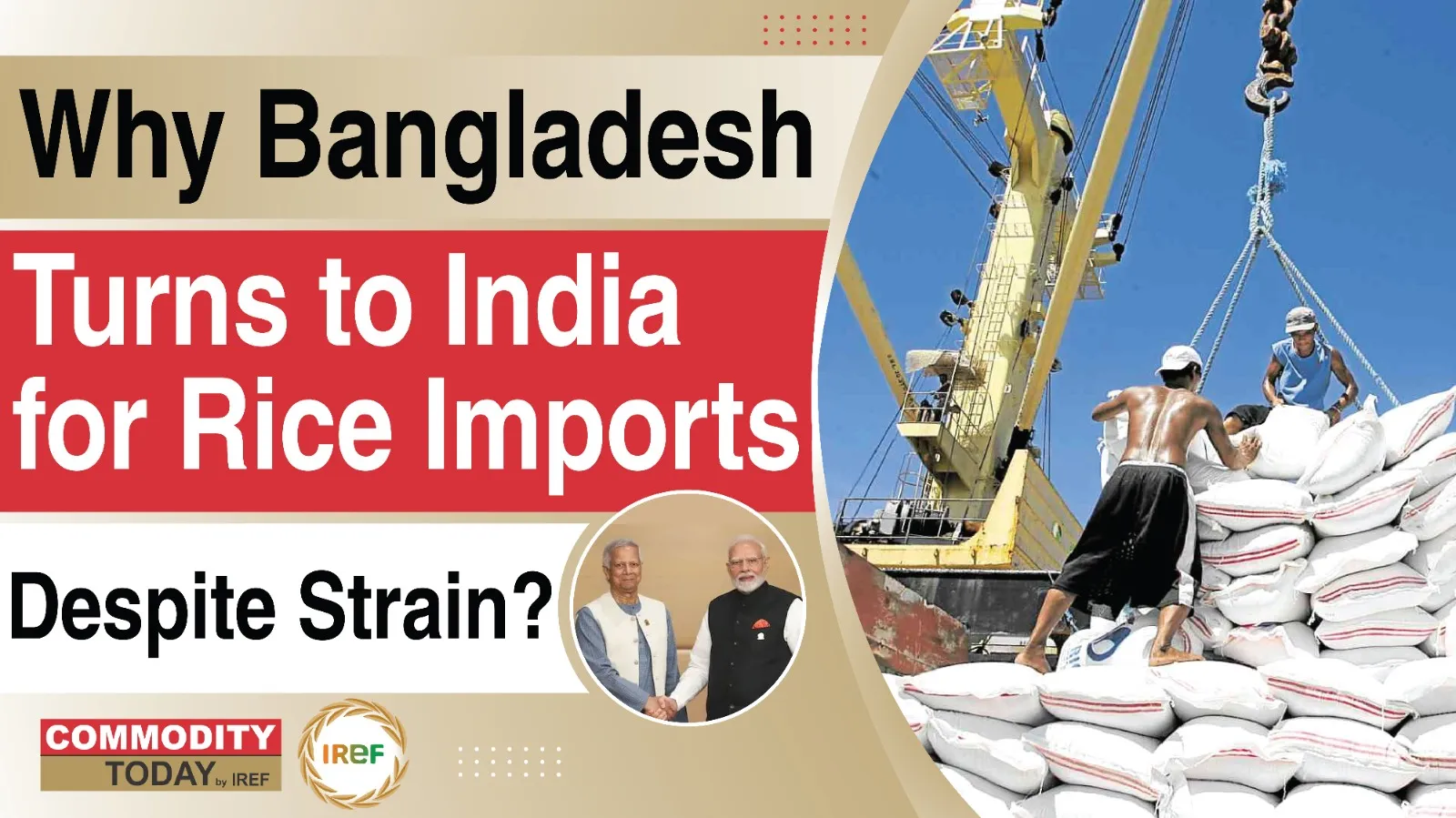
Bangladesh Turns To India For Cheaper Rice Imports Amid Diplomatic Strain
According to the latest sources, Bangladesh has chosen India for cheaper rice imports amid visible political unease and diplomatic strain between India and Bangladesh. The country’s interim government noted that ignoring cheaper Indian supplies in favour of costlier alternatives would be economically unwise, particularly in the midst of mounting domestic pressures.
Bangladesh has decided to do rice imports of 50,000 tonnes from India
Recently, Bangladesh has decided to do rice imports of 50,000 tonnes from India at around $355 per tonne, whereas at the same time buying an equal quantity from Pakistan at a higher price of $395 per tonne. The price gap turned into a saving of around $40 per tonne on Indian imports. For the Full consignment, the savings amount to approximately $2 million, or about 17.9 crore at the exchange rate. According to officials, rice imports from countries such as Vietnam would have further raised costs per kilogram, boosting India’s position as the most economical supplier.
Trade and politics need to be separated
Undoubtedly, relations between the two neighbours have remained under strain in the couple of months, with diplomatic summons, protests outside embassies and sharp exchanges. Notably, the development is conspicuous, given the latest deterioration in bilateral relations. However, India neither restricted supplies nor altered pricing, indicating its intent to keep food security separate from political disagreements. This approach appears to have resonated in Dhaka. According to Bangladesh’s Finance Adviser, Muhammed Yunus was actively working to relax the tensions with New Delhi. He added that trade decisions would not be induced by political rhetoric. Altogether, the decision to do rice imports highlights a clear message, whereas political narratives may fluctuate, economic realities remain decisive. India continues to be Bangladesh's most reliable and affordable option for essential food supplies, ensuring that trade ties endure even during periods of diplomatic tensions.
Share this article
Article Info
Read Time
2 min read
Published
25 Dec 2025
Author
Megha Bajaj
Category
News