Top Rice News: Vietnam, Basmati & Japan Rice Trends

Top rice news today highlights major developments shaping the global rice market. The first is that Vietnam imported $800 million worth of rice despite being a leading exporter, while its rice export revenue declined in 2026. In addition, in Australia, a Federal Court rejected APEDA’s appeal over exclusive Basmati rice certification, benefiting Pakistan’s rice exporters. At the same time, foreign tourists in Japan consumed significantly more cooked rice than locals, adding to demand amid tight supplies. These developments offer key insights into rice exporters, rice consumption and changing global trade trends.
Vietnam Spends USD 800 Million Importing Rice Despite Being A Leading Rice Exporter
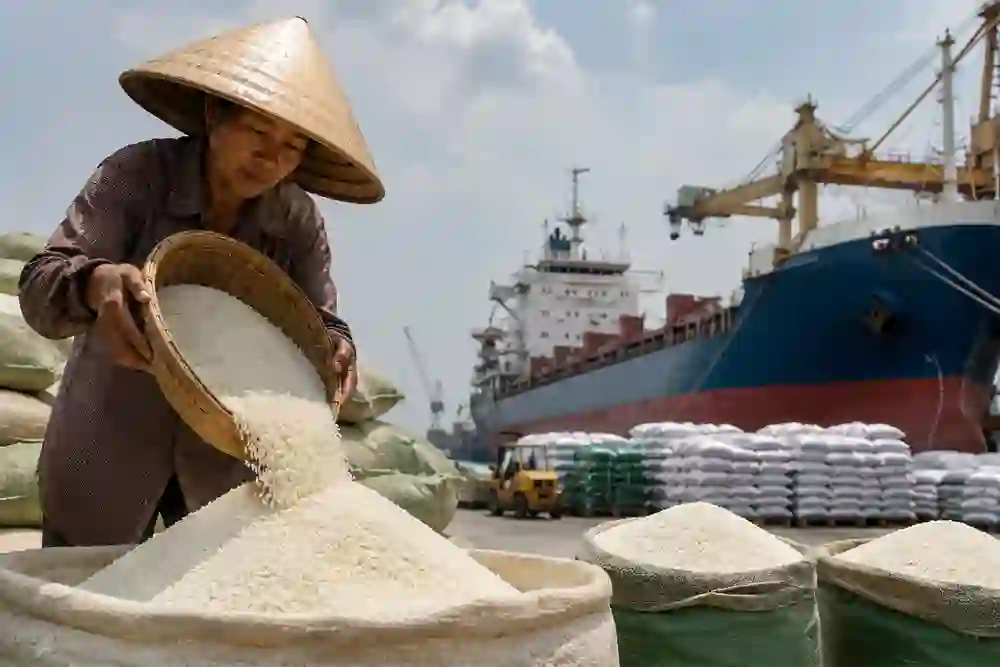
Recently, Vietnam imported about USD 800 million worth of rice in the first seven months of 2026, despite being one of the world's leading rice exporters, mainly to supply food processors, as the Ministry of Agriculture and Environment stated that Vietnam earned around USD 253 million from rice exports in July. In the first seven months of the year, rice export revenue reached nearly USD 2.64 billion, down 6.7 per cent from the same period last year. Moreover, Vietnamese businesses spent nearly USD 108 million importing various types of rice in July alone. This was the third-highest monthly figure in the first seven months, behind March, at USD 267.8 million, and April, at USD 159.8 million. The total rice imports reached USD 800 million in the first seven months of 2026, down 25.2 per cent from USD 1.07 billion in the same period last year.
Why Federal Court Of Australia Rejects APEDA Appeal On Basmati Rice?

According to reports, the Federal Court of Australia has rejected an appeal by India’s Agricultural and Processed Food Products Export Development Authority (APEDA) seeking exclusive certification trademark rights for the term “Basmati” in Australia. The court upheld the earlier rejection of APEDA’s application, finding that the term could not distinguish APEDA-certified rice from Basmati rice legitimately produced and marketed by other traders. Significantly, the ruling recognises that Basmati rice is also cultivated in Pakistan, giving Pakistani producers and exporters an equally valid basis to use the name in the Australian market. Moreover, APEDA has been ordered to pay the respondent’s legal costs. The decision is a setback for India’s efforts to secure exclusive international protection for the Basmati name and a significant boost for Pakistan’s rice export interests. It reinforces the position that neither country can claim exclusive ownership of the term in Australia.
Why Japan Tourists Consume 70% More Rice Than Locals?

According to new calculations by Japan’s Ministry of Agriculture stated that foreign tourists in Japan are consuming more rice than residents. Visitors eat an average of 570 grams of cooked rice per day, nearly 70% more than the 330–340 grams consumed by Japanese residents. The revised estimates show that foreign travellers consumed about 82,000 tonnes of polished rice between July 2025 and June 2026, an increase sharply from the ministry’s earlier estimate of 61,000 tonnes. The study surveyed tourists from 14 countries and examined consumption in restaurants, hotels and shops.
Sushi was the most popular rice-based food, with 85.5% of respondents saying they had eaten it during their stay. Tonkatsu, katsudon, onigiri and other Japanese rice dishes were also popular. In addition, the findings come as Japan faces tight rice supplies, following extreme heat, poor harvest conditions and rising prices. While tourism is adding to demand, officials say visitors still account for only a relatively small share of overall rice consumption.
Share this article
Article Info
Read Time
3 min read
Published
19 Aug 2026
Category
Rice News