Top Rice News: Bangladesh, Kenya Aid and Arsenic Research
Top rice news Today showcases Bangladesh's plans to distribute vitamin- and mineral-enriched rice to 55 lakh poor families, whereas U.S. wheat, rice and grain shipments will help feed nearly 1 million people in Kenya. At the same time, research highlights how water management can influence arsenic levels in rice. These developments underline the significance of improved rice production, food assistance, nutrition programmes and safer farming practices for global food security.
Bangladesh Govt to Distribute Vitamin-Enriched Rice to 55 Lakh Poor Families

The Bangladesh government will distribute six rice varieties which are vitamin- and mineral-enriched in the 300 upazilas to combat malnutrition and boost nutritional security. Under the Food Friendly Programme, nearly 9.90 lakh tonnes of rice will be supplied to 55 lakh rural poor and extremely poor families. Each family will receive 30 kg of rice per month for six months at Tk 15 per kg. Also, the government plans to raise its food-grain safety stock from 13 lakh tonnes to 14 lakh tonnes during normal periods and 15 lakh tonnes during disasters. New warehouses will be built in the three hill districts to ensure uninterrupted food supplies during emergencies. Not only this, but the government further plans to increase national food-grain storage capacity by 30 lakh tonnes by 2030.
U.S. Wheat, Rice Shipment to Feed 1 Million Kenyans
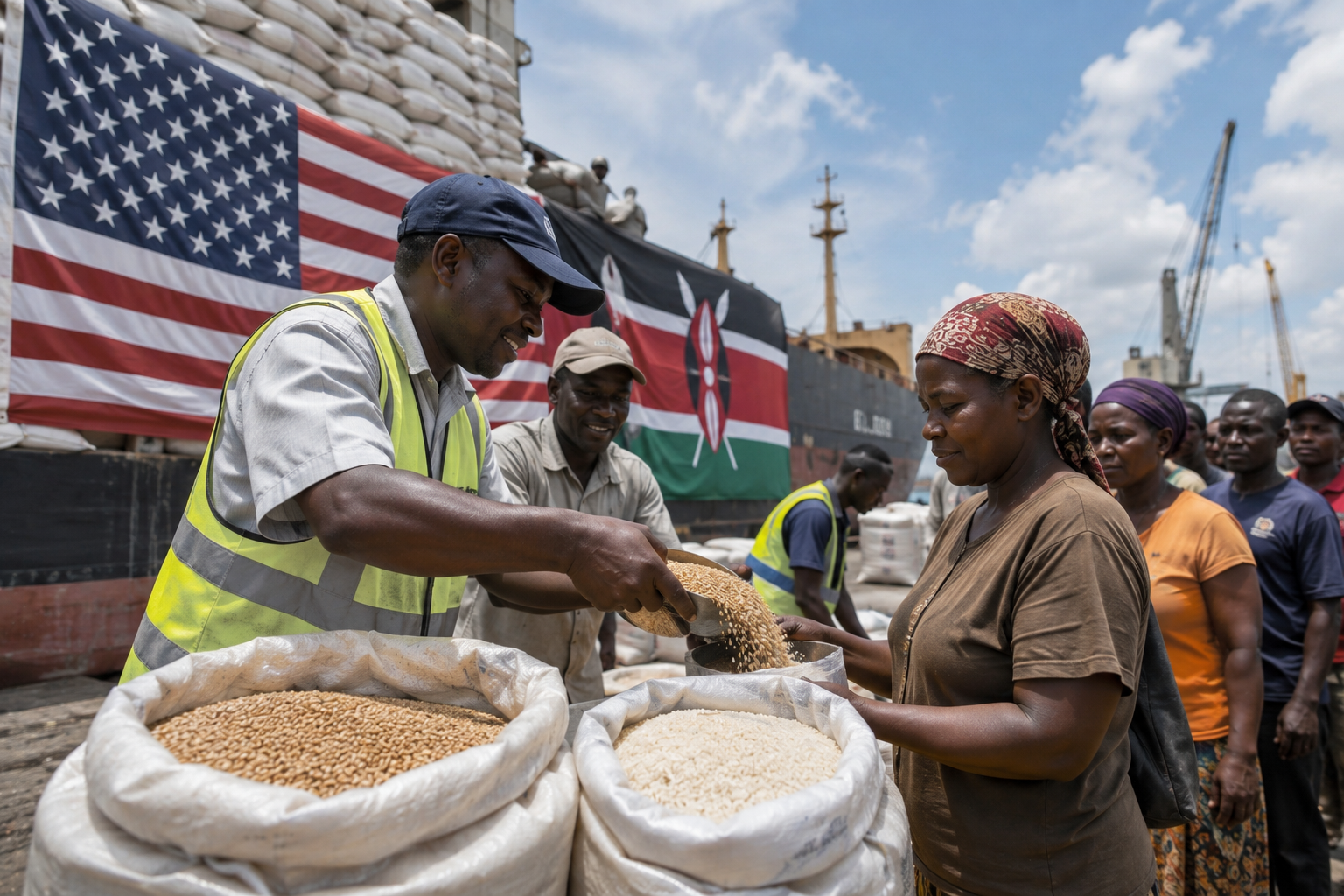
According to reports, a shipment of U.S.-grown wheat, rice and other grains is being sent to Kenya under the Food for Peace programme, along with the aid expected to offer food for about 1 million people. Wheat, rice and sorghum growers, along with U.S. Department of Agriculture officials, marked the latest food-aid shipment at a portside event. Moreover, the programme aims to deliver American agricultural commodities to communities facing food insecurity and to create overseas markets for U.S. farmers. The USDA and World Food Programme have agreed to supply hundreds of thousands of tonnes of U.S.-origin agricultural products to various countries such as Kenya. The latest shipment underscores the dual role of Food for Peace while supporting vulnerable populations through emergency food assistance along with boosting demand for American farm products. Significantly, the initiative is part of a broader U.S. effort to increase the use of domestic agricultural commodities in international food aid.
How Water Management Influences Arsenic Levels in Rice?
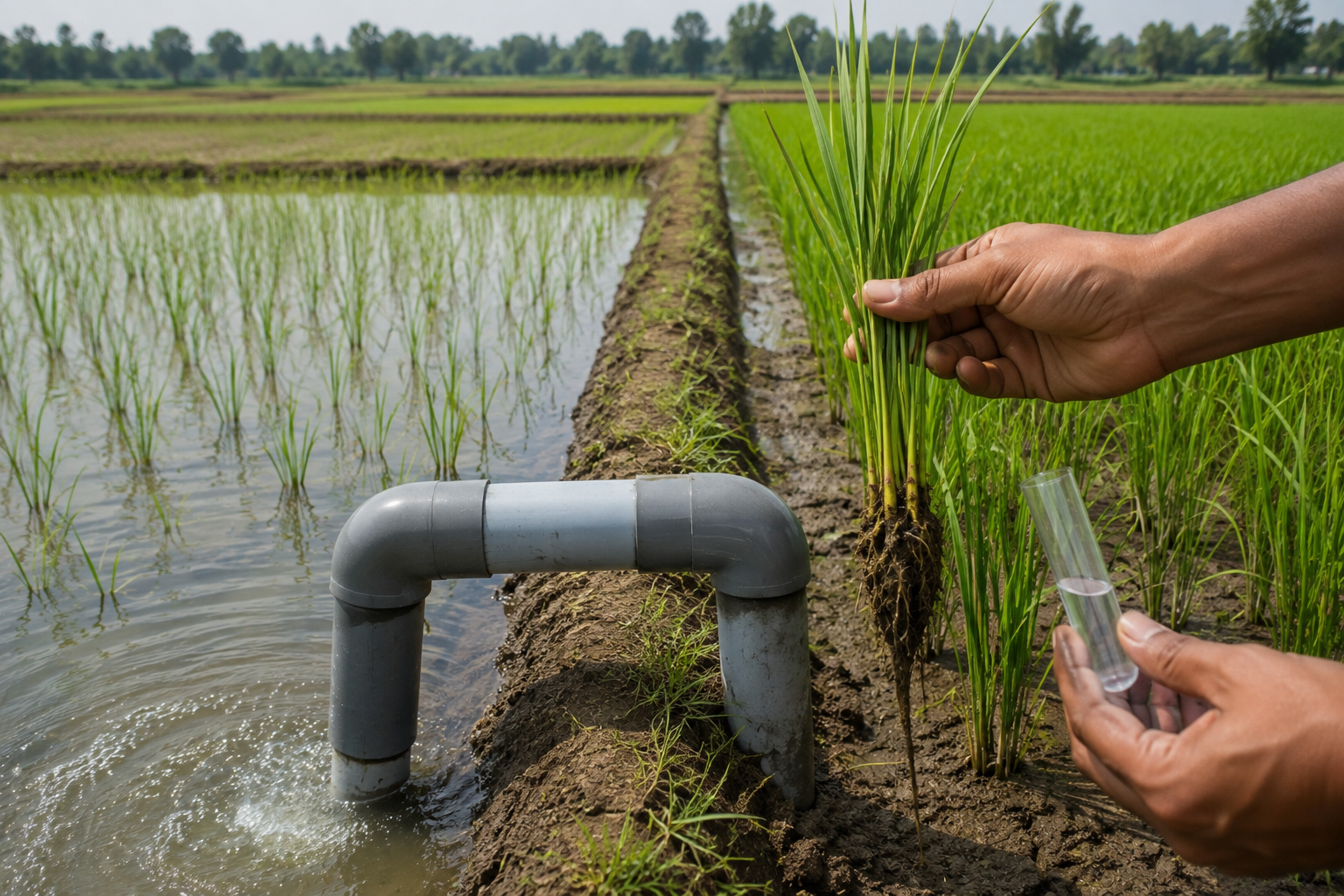
Arsenic levels in rice can change significantly depending on water management practices used during rice cultivation. It highlights a significant opportunity to improve food safety. Broadly speaking, research shows that how rice fields are irrigated and managed can affect the amount of arsenic absorbed by rice plants. Since arsenic naturally occurs in some soils and groundwater, rice can accumulate the toxic element more readily than several other crops. Notably, the findings suggest that carefully managing water levels and irrigation practices could help reduce arsenic accumulation in rice without necessarily affecting crop productivity. Particularly, the research is relevant for rice-growing regions where arsenic contamination of groundwater is a concern. Enhancing field water management could therefore become a significant agricultural strategy for producing safer rice and reducing dietary exposure to arsenic. Also, the findings underline the significance of combining farming practices, water-resource management and food-safety measures to address arsenic contamination in the rice supply chain.
Share this article
Article Info
Read Time
3 min read
Published
8 Aug 2026
Author
Megha Bajaj
Category
Rice News