Top Rice News: Rice To Ethanol Policy And DSR Over El Niño
Top rice news today: Bangladesh recorded a historic Aman rice harvest of 17.3 million tonnes, boosting food security and market stability. In India, experts warn that the rice-to-ethanol policy is increasing fiscal and environmental costs by encouraging excessive paddy cultivation and resource depletion, calling for a shift towards sustainable alternatives like maize. At the same time, direct-seeded rice (DSR) is gaining momentum as farmers prepare for a possible El Niño-induced weak monsoon, offering significant water savings, lower labour costs, and improved climate resilience through efficient rice cultivation practices.
Bangladesh's Aman Rice Output Reaches Record 1.73 Crore Tonnes
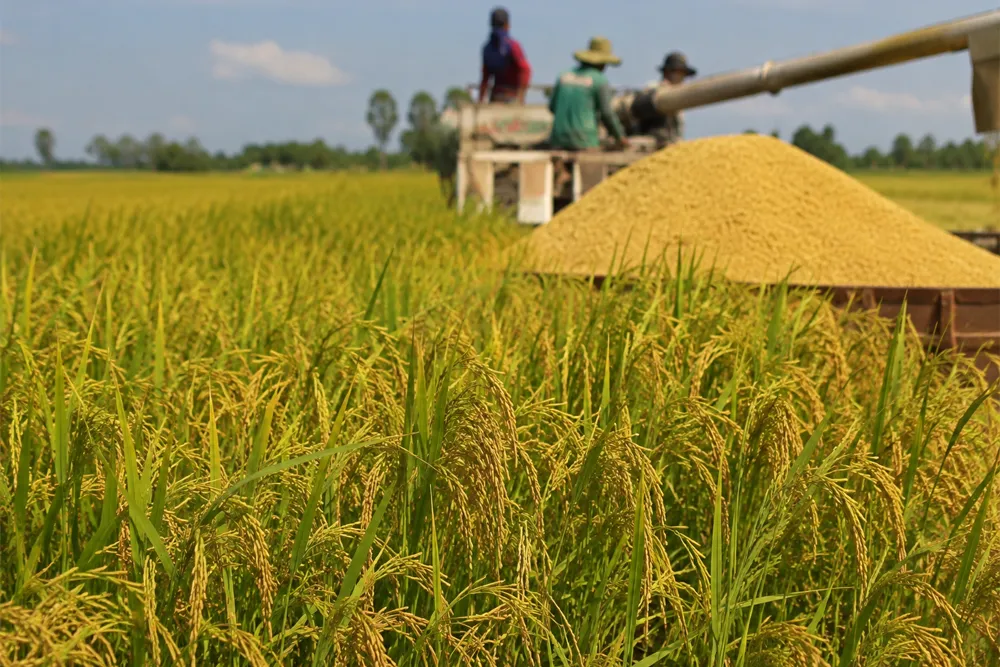
Bangladesh has achieved a record 1.73 crore tonnes (17.3 million tonnes) of Aman rice production in the 2024–25 season. This marks a 5.1% increase over the previous year. The Bangladesh Bureau of Statistics (BBS) stated that the growth was driven by favorable weather conditions, increased cultivation of high-yielding and hybrid rice varieties, and improved farming practices.
Notably, Aman is Bangladesh’s second-largest rice crop after Boro and contributes around 40% of the country’s annual rice production. The record harvest is expected to boost domestic food security, improve market supplies, and help stabilize rice prices.
Whereas Aus rice production declined due to reduced cultivation, the strong Aman harvest more than compensated for the shortfall. Combined rice production of Aus and Aman rice reached nearly 2 crore tonnes, registering an overall year-on-year increase. Moreover, the higher output reflects the government's continued efforts to promote enhanced seed varieties, better irrigation management, and modern agricultural techniques. With rice being the staple food for the country's population, the record Aman harvest is expected to play a vital role in ensuring food availability and supporting Bangladesh’s agricultural economy amid global food supply uncertainties.
Why India’s Rice-to-Ethanol Policy Is Fueling Economic and Environmental Costs?
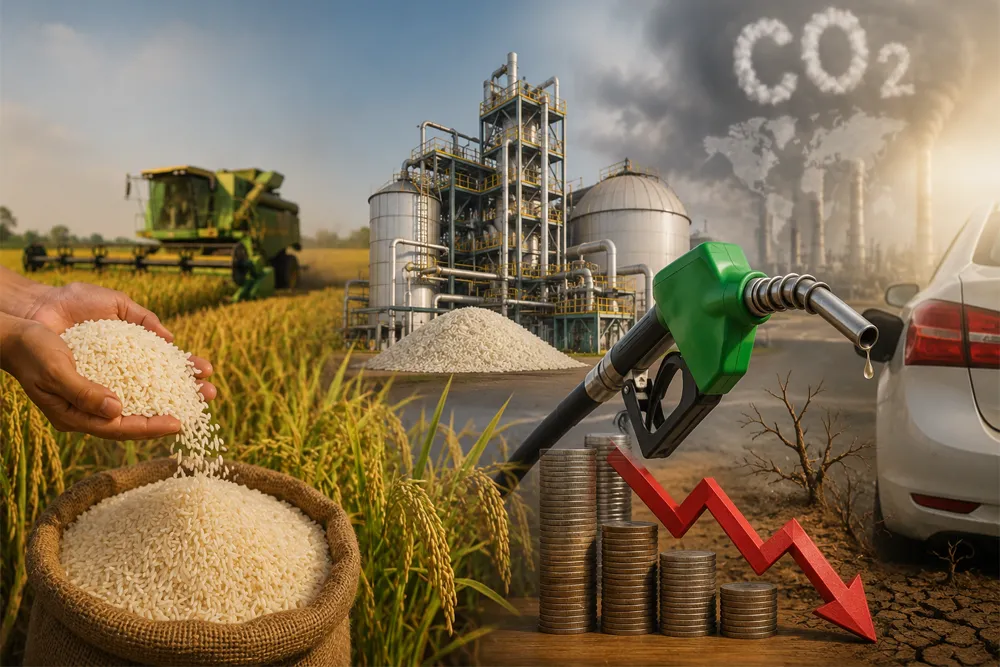
India’s rice-to-ethanol policy is imposing economic and environmental costs by diverting subsidised Food Corporation of India (FCI) rice to ethanol production. According to the authors, the large surplus of rice stocks is not a sign of efficiency but the result of distorted agricultural incentives including Minimum Support Price (MSP)-based procurement, free electricity for irrigation, and fertiliser subsidies that encourage excessive paddy cultivation. Using low-cost FCI rice for ethanol helps absorb these surpluses but conceals the structural problems instead of addressing them. In addition, this policy increases the fiscal burden through procurement, storage, and subsidy costs along with intensifying groundwater depletion, soil degradation, and greenhouse gas emissions related to water-intensive rice cultivation. The experts argue that ethanol production should depend more on crops such as maize, which are less resource-intensive and environmentally sustainable. They recommend decreasing excessive rice procurement, discontinuing the mandatory use of FCI rice for ethanol, and reforming subsidy policies to promote efficient resource use, fiscal prudence, and long-term agricultural sustainability.
How Direct-Seeded Rice Gains Ground as Farmers Brace for El Niño?
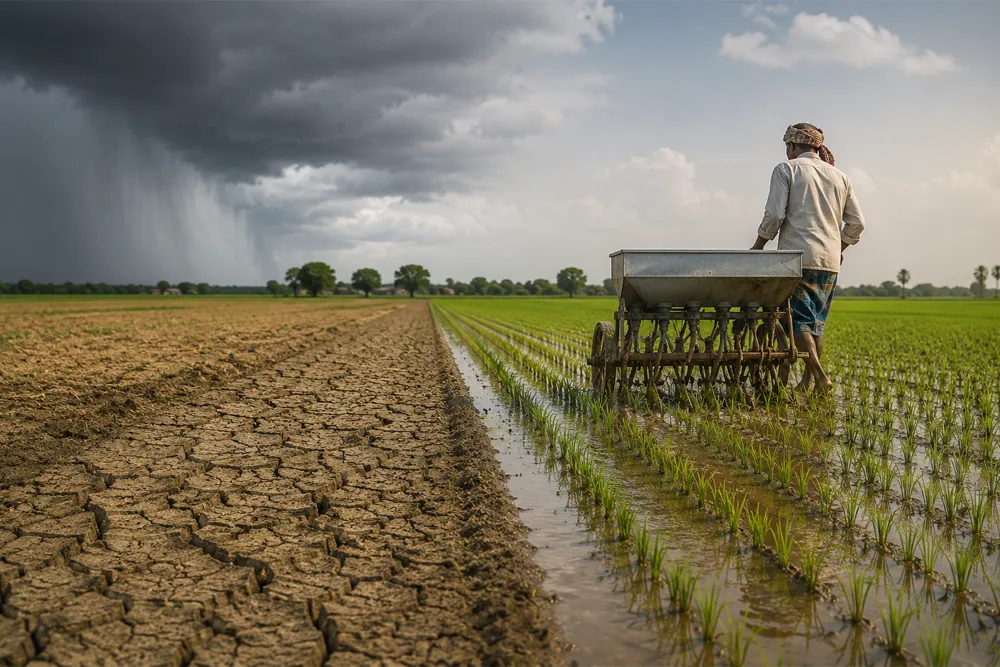
With forecasts indicating a weak monsoon due to El Niño weather phenomenon, many Indian farmers are shifting to direct-seeded rice (DSR) as a more water-efficient and cost-effective cultivation method. The DSR method involves sowing seeds directly into the field, reducing water use by nearly 30–35% and lowering labour requirements. The approach is gaining popularity as farmers face increasing challenges from erratic rainfall, rising labour costs, and water scarcity. Demand for herbicide-resistant rice varieties and enhanced seed technologies has also increased, helping farmers manage weeds more effectively and enhanced the crop establishment. According to Agricultural experts, DSR as significant climate-resilient farming practice that can improve productivity along with conserving natural resources. But, successful adoption depends on proper field preparation, effective weed management, and access to suitable seed varieties. As climate variability continues to affect agriculture, DSR is emerging as a practical solution to decrease production costs, enhance resource efficiency, and boost farmers’ resilience against uncertain monsoon conditions.
Share this article
Article Info
Read Time
4 min read
Published
6 Jul 2026
Author
Megha Bajaj
Category
Rice News