Top Rice News: Kharif Sowing, Prices & Solar Farming

Top rice news today highlights significant developments in the agriculture and food markets. India’s Kharif rice sowing is trailing last year amid uneven monsoon conditions, whereas maize acreage has also declined. Next, a Japanese study shows solar panels can reduce rice yields but significantly increase overall farm returns through electricity generation. Meanwhile, Dhaka markets are seeing higher rice prices, while vegetables and chicken have become cheaper due to improved supplies and imports.
How Uneven Monsoon Slow India’s Kharif Sowing? Rice & Maize Take a Hit
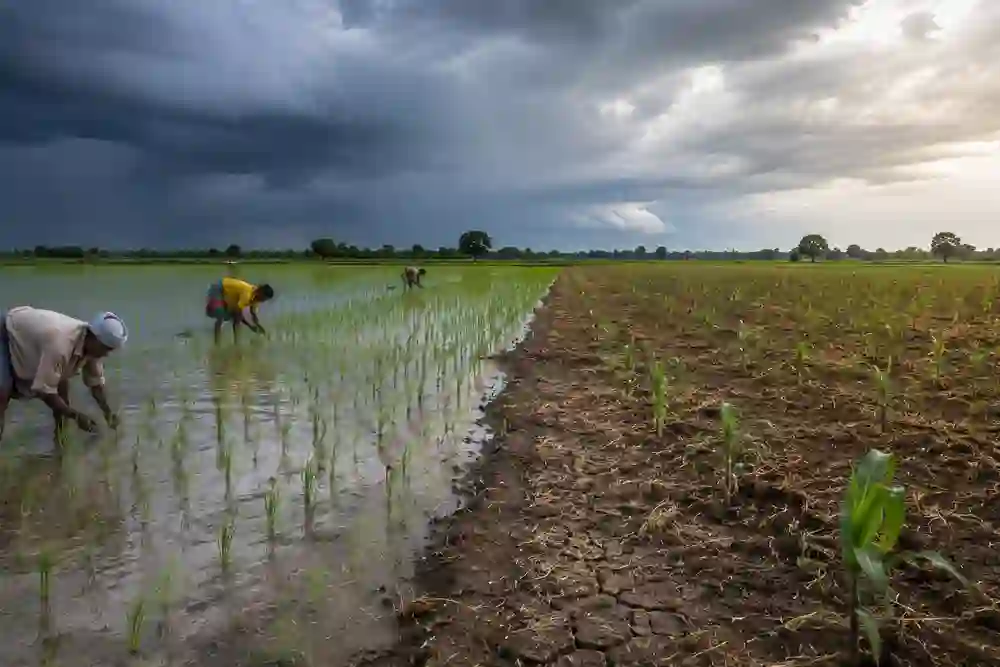
The latest Agriculture Ministry data stated that India’s Kharif sowing is nearing its final stages, but the overall crop area remains 16.07 lakh hectares, or 1.5%, below last year . As of August 21, farmers had planted 1,056.70 lakh hectares, in the comparison of 1,072.77 lakh hectares a year earlier. Moreover, rice acreage dropped 3.15% to 405.10 lakh hectares, whereas maize area declined 4.06% to 89.51 lakh hectares. In addition, ragi recorded a sharp 27.14% drop. Ultimately, uneven monsoon conditions have affected sowing in several key crops. However, higher pulses coverage and broadly stable oilseed acreage have helped narrow the overall deficit. Pulse acreage increased 1.33% to 113.63 lakh hectares, whereas oilseed area was almost unchanged at 188.37 lakh hectares. The final monsoon performance will remain significant for crop output, food supplies and prices.
Solar Panels Cut Rice Yield by 23% But Could Farmers Earn 14× More. Here’s How?
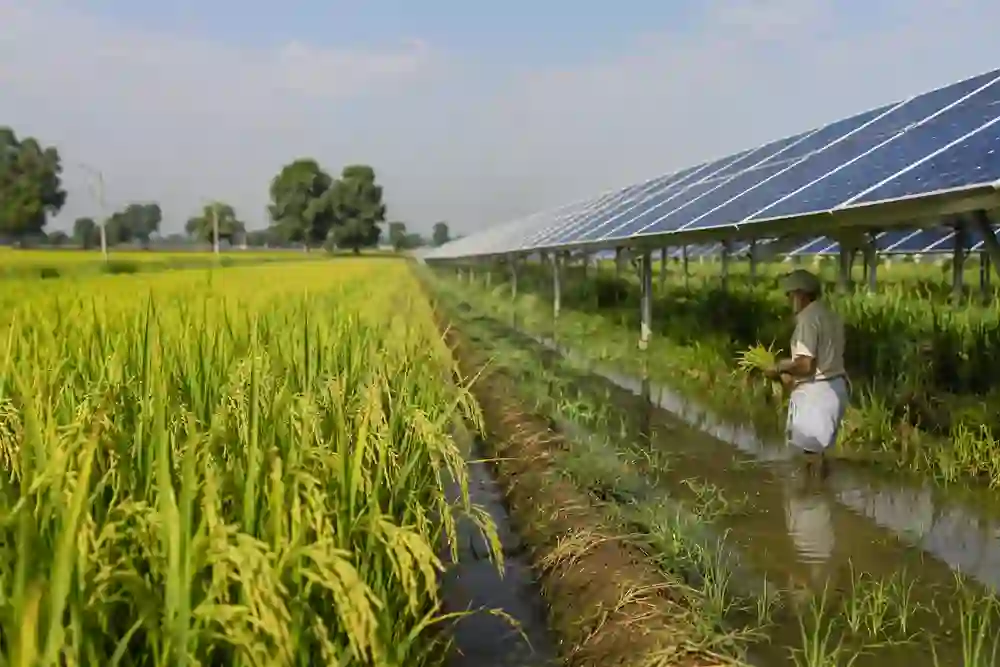
According to sources, a six-year Japanese field experiment has outlined the potential of agrivoltaics, where solar panels and crops share the same farmland. Researchers from the University of Tokyo discovered that rice grown beneath solar panels produced an average yield of 6.5 tonnes per hectare, in the comparison of 8.5 tonnes in an open field, a reduction of about 23%. However, when electricity generation was added to rice income, the combined gross return was roughly 14 times higher than rice farming alone. The study which is conducted in Chikusei, Japan, from 2018 to 2023, covered about 27% of the field with elevated solar panels. Not only this, but researchers noted that shading affected rice growth and quality, particularly in wetter years. Despite the lower crop yield, the findings suggest agrivoltaics could offer farmers a significantly higher overall return along with producing renewable energy from the same land.
Why Rice Prices Rise as Vegetables & Chicken Get Cheaper in Dhaka ?
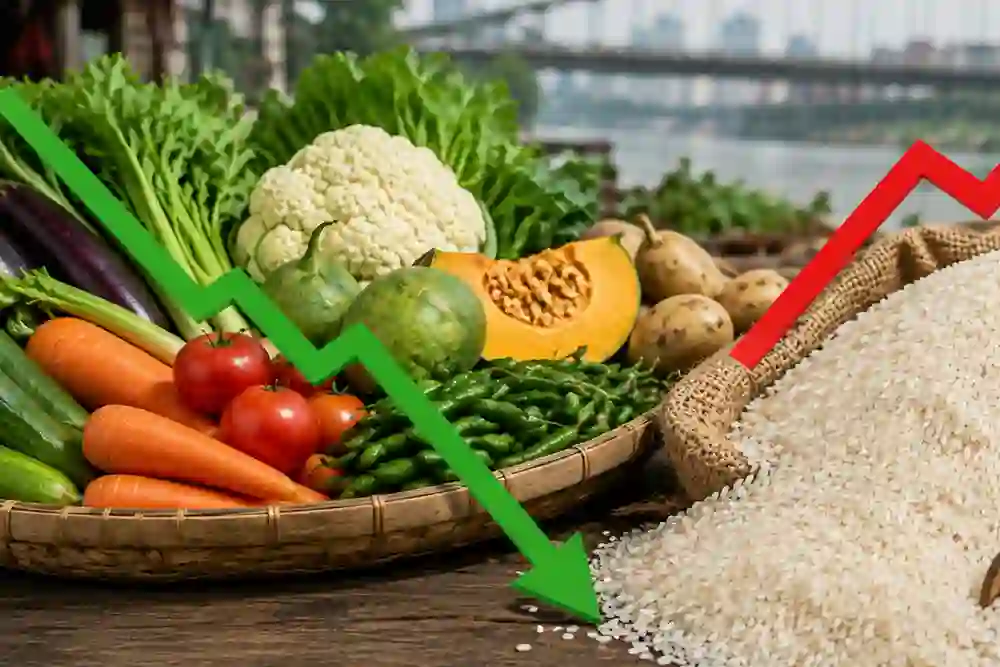
According to latest reports, Dhaka’s food markets are showing mixed price trends, with rice becoming costlier whereas vegetables and chicken prices ease. Fine rice varieties such as Miniket and Nazirshail have increased by up to Tk 2 per kg, with traders citing higher transport and handling costs. At the same time, increased imports of Indian green chillies have pushed retail prices down sharply from around Tk 200 to Tk 100–120 per kg. Additionally, most vegetables have become cheaper as supplies at wholesale depots enhance, whereas onion prices remain relatively stable. Besides this, Potato prices have declined as well. Chicken prices have eased, with broiler rates falling to Tk 180–185 per kg and Sonali chicken dropping to Tk 260–280. But, egg prices remain unchanged. The contrasting movements highlight how supply conditions, imports, transportation costs and seasonal availability continue to influence food prices in the Dhaka markets.
Share this article
Article Info
Read Time
3 min read
Published
22 Aug 2026
Author
Megha Bajaj
Category
Rice News