Top Rice News: India-Pakistan Trade & Tamil Nadu Paddy
Top rice news today highlights India-Pakistan rice trade disruptions amid weaker Middle East demand and higher freight costs. India is exploring gene-edited rice to improve yields, climate resilience, trade conditions, agricultural innovation, policy efficiency, and resource efficiency as productivity growth slows. At the same time, Tamil Nadu is prioritising fine-variety paddy with higher incentives to improve rice quality under the Public Distribution System. These developments highlight changing forces shaping India’s rice sector.
India-Pakistan Rice Trade Hit as Middle East Demand Falls
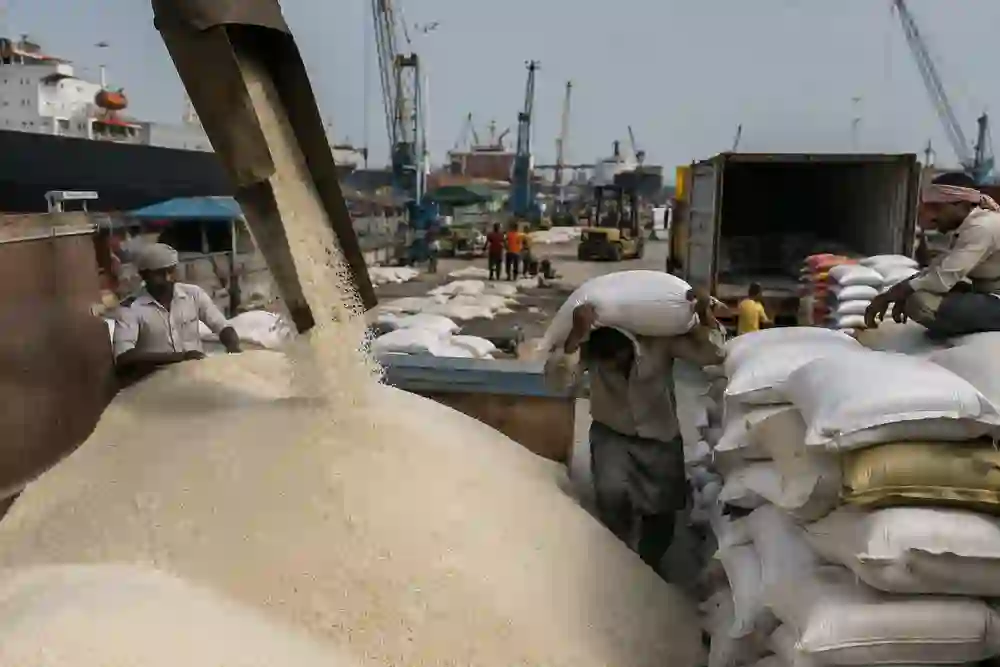
The India-Pakistan rice trade with the Middle East has turned increasingly volatile as disruptions around the Strait of Hormuz impact freight capacity and regional demand. According to reports, shipping constraints in February sharply reduced rice shipments from both countries, whereas container-rate spikes caused further declines in March. However, exports partially recovered in late March and April as Middle Eastern food-security needs supported buying despite elevated logistics costs. In addition, rice prices eased during the recovery, although differences between Indian and Pakistani export prices remained. The developments outlined how geopolitical tensions and shipping disruptions can quickly remodify global agricultural trade. For India and Pakistan, the Middle East remains a vital rice market, but weaker demand, higher freight costs and uncertain shipping conditions could continue to create volatility in export flows in the months ahead.
India Turns to Gene-Edited Rice as Yield Growth Slows
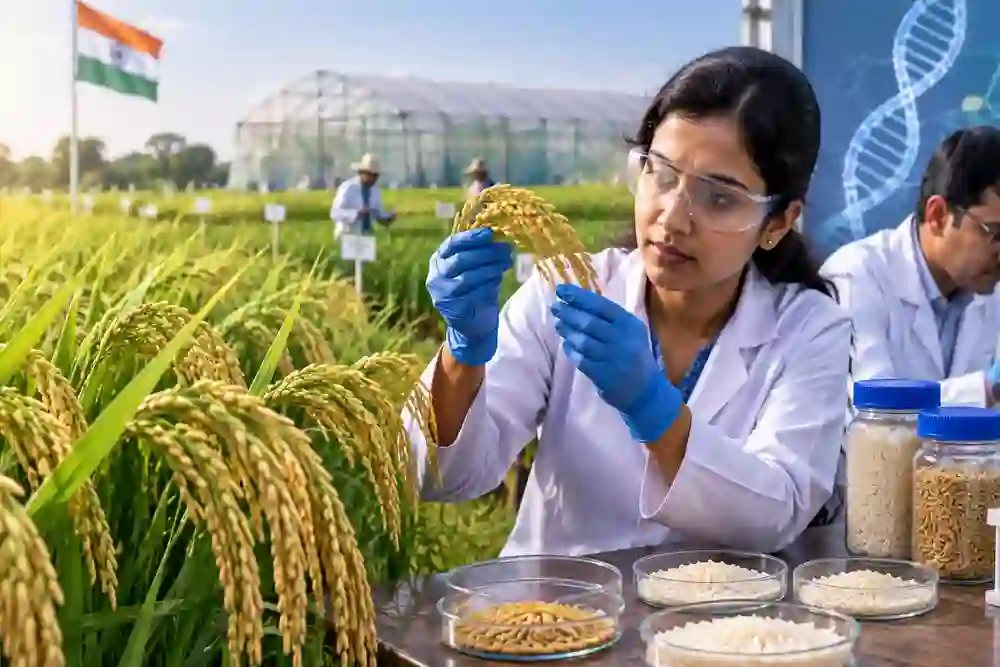
According to sources, India is increasingly turning to gene-edited rice varieties as gains in conventional rice productivity begin to slow. The push aims to develop crops that deliver higher yields while requiring fewer resources and offering greater resilience to climate-related stresses, including drought, heat and salinity. Researchers are exploring gene-editing technologies such as CRISPR to improve significant traits without introducing foreign genes. Moreover, new varieties could help India boost food security while reducing pressure on land and water resources. Notably, the move comes as the country seeks to maintain growth in rice production amid changing weather patterns and mounting agricultural challenges. But wider adoption will depend on field performance, farmer acceptance, regulatory clarity and the ability to make these enhanced varieties commercially viable. If successful, gene-edited rice could become an important tool in India’s next phase of agricultural productivity and climate-resilient farming.
Why Does Tamil Nadu Prioritise Fine-Variety Paddy for Better Ration Rice?
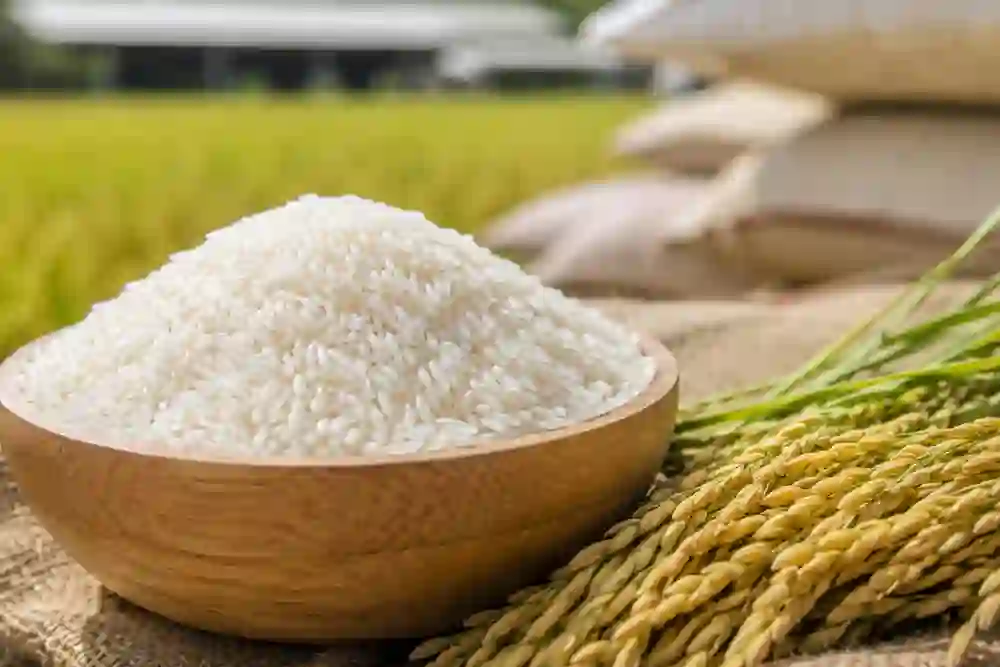
Tamil Nadu is all set to prioritise fine-variety paddy in its procurement drive to improve the quality of rice distributed through the Public Distribution System. The state has raised the incentive for fine paddy to ₹289 per quintal, compared with ₹159 for common varieties, taking the total paddy procurement price to ₹2,750 and ₹2,600 respectively. According to the government, the move is aimed at encouraging farmers to cultivate higher-quality varieties and ensuring better rice reaches consumers through fair-price shops.
In addition, the policy comes as farmers’ groups debate whether the higher incentive could disadvantage those dependent on common varieties. However, the state says farmers themselves have shown interest in producing more fine paddy. During the 2025-26 season, Tamil Nadu had procured nearly 64 lakh tonnes, including 38 lakh tonnes of fine varieties.
Share this article
Article Info
Read Time
3 min read
Published
21 Aug 2026
Category
Rice News