Top Rice News: Telangana’s Rice Export Policy, Nepal’s Self-Reliance, and Indonesia as Rice Export Powerhouse
Top rice news today highlights key developments shaping Asia's rice sector. Telangana is considering a new export policy to expand global market access while reducing reliance on central procurement, and creating better opportunities for farmers and rice millers. Moreover, Nepal is accelerating efforts toward rice self-reliance through agricultural modernisation and climate-friendly farming practices. At the same time, Indonesia is boosting its export ambitions by preparing large rice shipments to Malaysia, Singapore, and the UAE while exploring additional regional markets. These initiatives outline the region's growing focus on food security, value addition, and expanding its presence in the global rice trade.
How Does Telangana’s New Rice Export Policy Pave Way for Global Rice Hub?
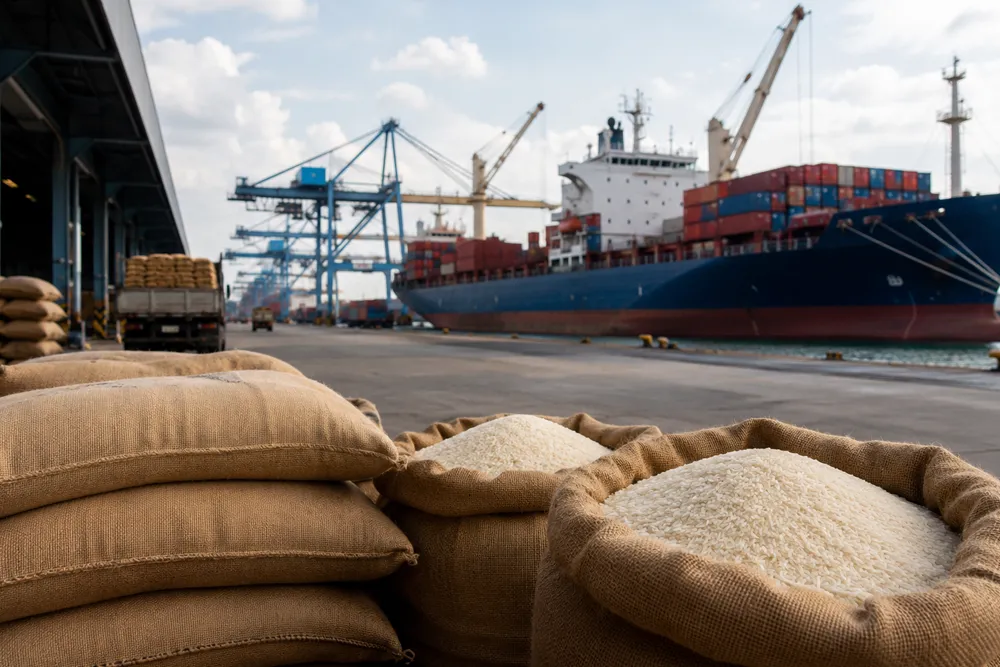
On Tuesday, June 30, Civil Supplies Minister N. Uttan Kumar Reddy announced that the Telangana government was considering a policy to boost rice exports in global and inter-state markets. This move deals with reducing the state’s dependence on central procurement agencies while creating better market opportunities for farmers and rice millers through value addition and direct exports. While speaking at the launch of KCP Nutri’s Multi-vitamin Rice range in Hyderabad, the minister stated that Telangana had emerged as a rice-surplus state, with rice production surpassing 3 crore tonnes, and that combined procurement during the Kharif and Rabi seasons exceeded 1.52 crore tonnes, against the state’s annual consumption of nearly 36 lakh tonnes. Moreover, he said that the Food Corporation of India (FCI) procures rice primarily for farmers and not for exports. It makes it necessary for Telangana to explore new domestic and international markets. Assuring that all support to rice millers, he asserted that the government would facilitate approvals for genuine rice exporters.
Modern Farming Boosts Nepal’s Journey Towards Rice Self-Reliance
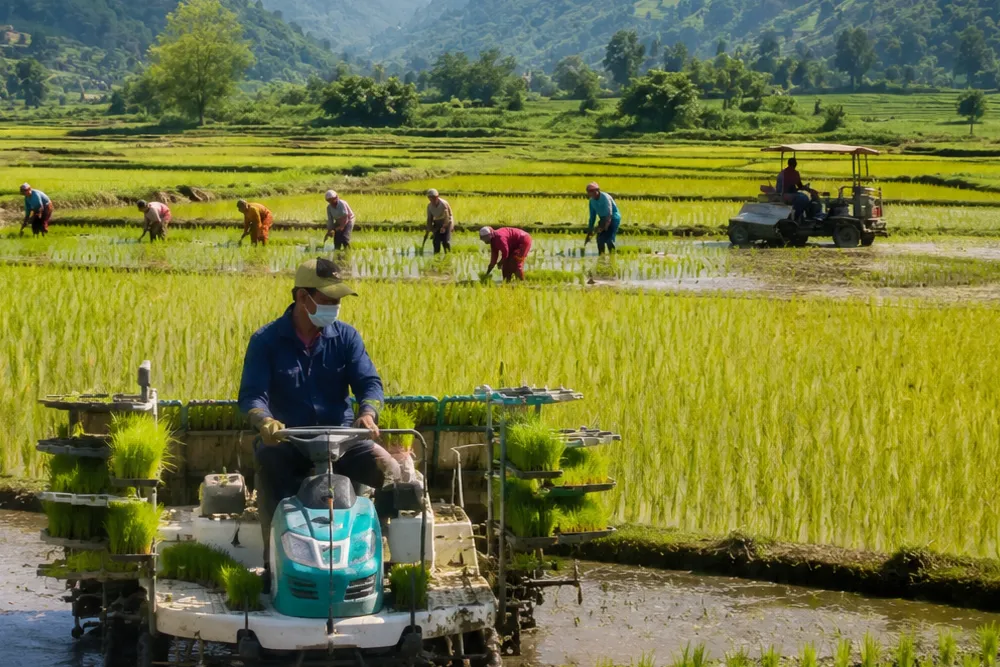
In a significant move in making the nation self-reliant, on Monday, June 29, Nepal’s President Ramchandra Paudel called for the modernisation of the agricultural sector to achieve total self-reliance in rice production. He has given this statement on the occasion of National Paddy Day, which was observed annually to mark the commencement of the monsoon rice-planting season in the country. Not only this, but he also called for a shift in perspective and urged that agriculture should be seen as an opportunity to grow, not as a means of survival. The theme for National Paddy Day 2026 is “Climate Friendly Technology, Self-Reliance In Paddy And Prosperity.” Notably, Nepal imports 25 to 30 per cent of its total rice consumption, and India remains a main source. Moreover, a news article by IREF published on March 24, 2026, stated that Nepal rice imports had surged to ₹28 billion in the first eight months of the current fiscal year, underscoring a widening gap between domestic production and consumption. Once a rice-exporting nation, Nepal is now increasingly dependent on imports, primarily from India, raising concerns over long-term food security and economic vulnerability.
Why Does Indonesia Strengthen Its Position as an Emerging Rice Export Power?
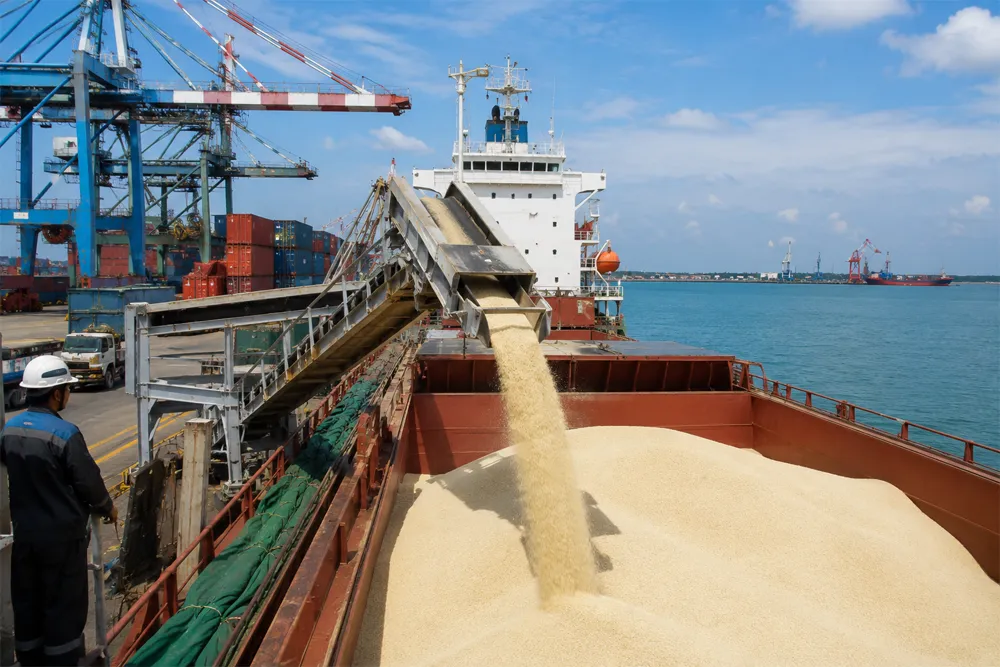
State logistics agency Perum Bulog has prepared 200,000 tons of premium rice for export to several countries, including Malaysia, Singapore, and the UAE. Bulog President Director Ahmad Rizal Ramdhani highlighted that Indonesia's export plan includes shipping 200,000 tons of rice to Malaysia, 10,000 tons to Singapore, and 50,000 tons per month to the UAE. Moreover, Bulog is also eyeing further expansion into neighbouring markets, specifically Timor-Leste and Papua New Guinea. The initiative to boost access to the Singaporean market gained momentum on Monday following bilateral talks between Indonesian Agriculture Minister Andi Amran Sulaiman and Singaporean Minister for Sustainability and the Environment Grace Fu at the ministry's headquarters in Jakarta. In addition, Amran confirmed that negotiations are going on to export nearly 10,000 tons of rice to Singapore to fortify food cooperation between the two nations. The minister underscored that the export expansion is heavily supported by robust national rice production and substantial reserves. At present, government rice stocks have reached approximately 5.1 million tons. With Bulog's state warehouse capacity restricted at around 3 million tons, the government has resorted to storing the surplus in rented warehouses.
Share this article
Article Info
Read Time
4 min read
Published
30 Jun 2026
Author
Megha Bajaj
Category
Rice News