Top Rice News: Export Prices Surge as Imports Rise and Demand Shifts
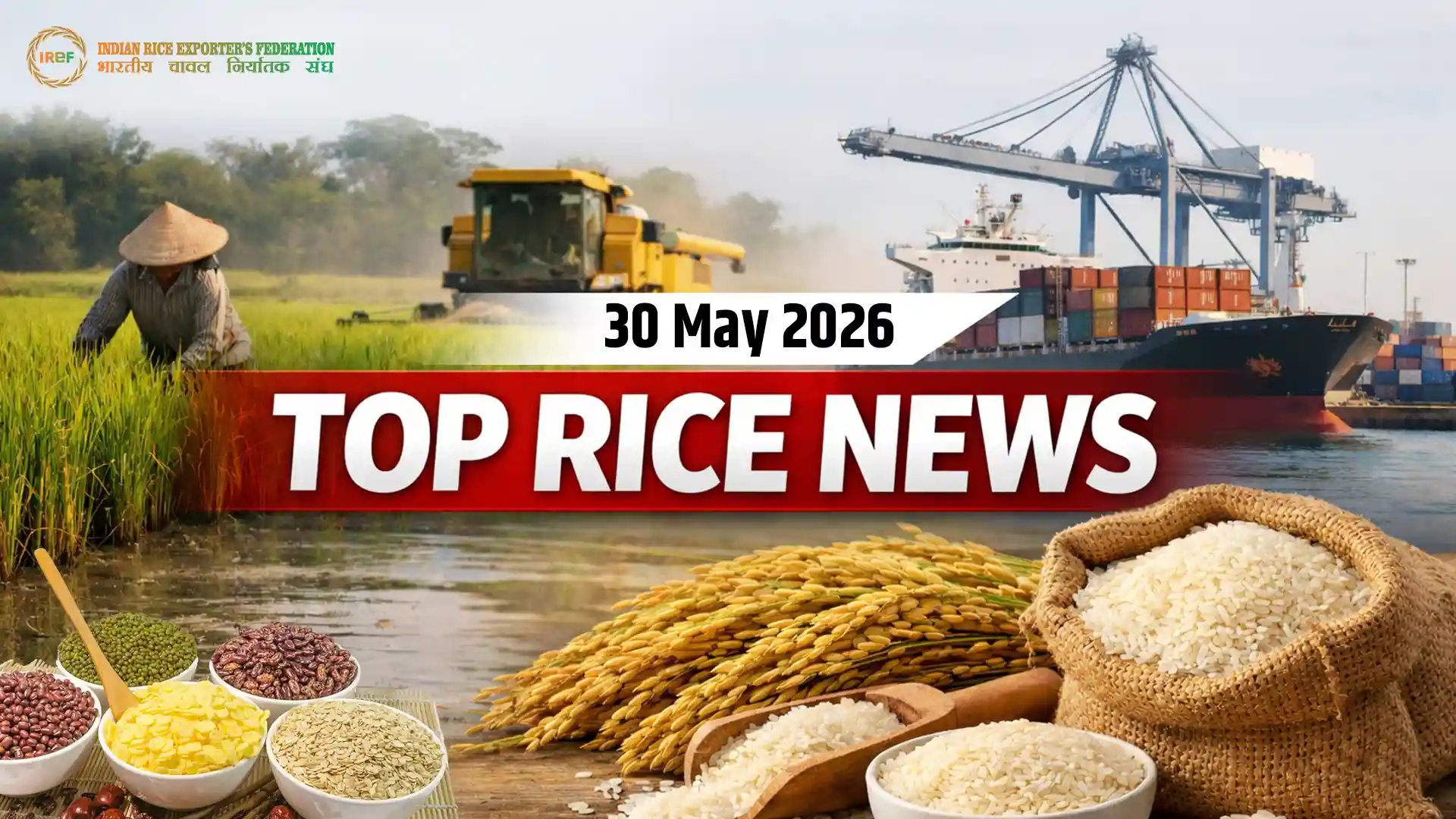
Top rice news highlights a surge in Indian Rice export prices as demand from Africa strengthens and the Thai market gains momentum, warning by the Japanese government over rising rice imports, which could weaken domestic production & rice demand’s scrutiny over the supply crunch and price surge in the country.
India Rice Export Prices surge as African Demand Strengthens; Thai Market Gains Momentum
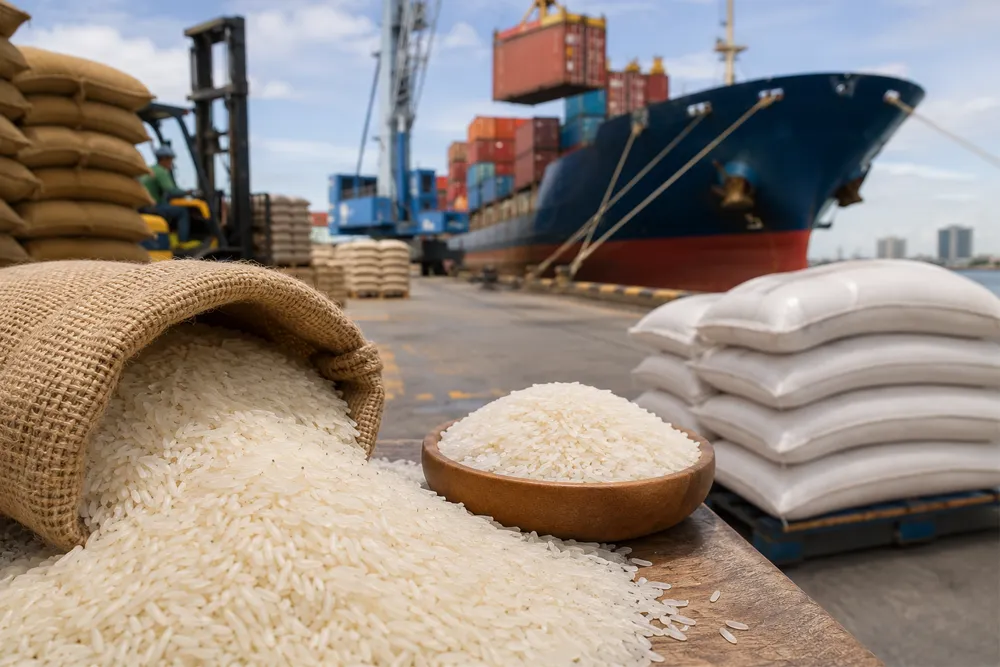
Indian rice export markets continued to show mixed trends this week. India maintained its competitive edge in global trade. Prices for India’s 5% broken parboiled rice have increased by nearly $337–$345 per tonne. It reflects steady overseas demand, especially from African countries that depend heavily on Indian rice for food security due to its affordability and consistent supply. Moreover, a trivial recovery in the Indian rupee also contributed to the upward pressure on export prices. As a result, it would make shipments slightly more valuable in global currency terms. In addition, buyers in Africa and parts of the Middle East have been actively choosing Indian rice over more expensive alternatives from Thailand and Vietnam. It helps sustain export momentum. Significantly, Traders mentioned that India remains one of the most cost-effective suppliers in the global rice market, especially after previous policy changes and export controls were eased in certain segments.
Moreover, in Thailand, rice prices boosted during the week, which is supported by fresh buying interest from the Philippines and African importers. This demand helped compensate for earlier sluggishness and kept Thai export quotes firm. However, Vietnam witnessed a slight decline in export prices, largely due to expectations that the Philippines may reduce import volumes in the coming months as domestic supply improves. At the same time, Bangladesh continues to struggle with elevated domestic rice prices. Heavy pre-monsoon rains have damaged crops in several regions, tightening supply and increasing pressure on local markets. Generally, the global rice market remains sensitive to weather conditions, policy decisions, and shifting import demand across key Asian and African economies.
Japan Warns Rising Rice Imports Could Weaken Domestic Production
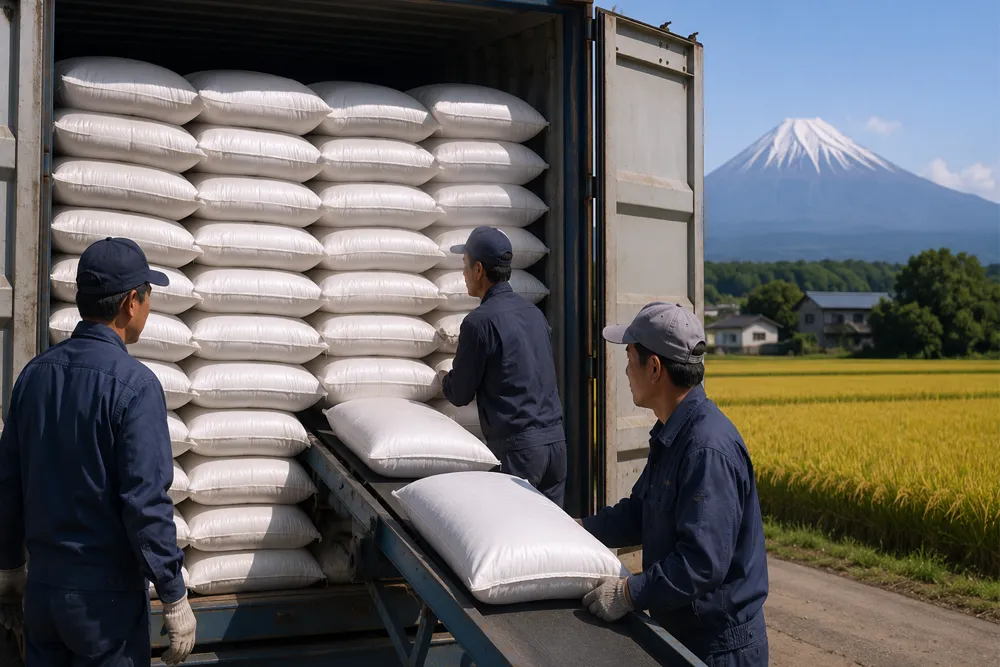
Japan’s government has raised concerns over a recent surge in private-sector rice imports. The Govt has warned that it could have long-term consequences for the country’s agricultural sector. The rise in imports has been largely driven by sharply increasing local rice prices, which have made foreign rice more attractive to wholesalers, retailers, and even consumers looking for cheaper alternatives.
In its FY2025 agriculture white paper, the government noted that domestic rice prices have nearly doubled compared to the previous year. It creates significant pressure on household budgets and food distribution networks. According to officials, one of the major reasons behind the price spike was inaccurate demand forecasting, which led to mismatches between expected consumption and actual supply levels. Meanwhile, delays in releasing government-held rice reserves further tightened market conditions. It has worsened the shortages in some regions. Furthermore, the report warns that if import dependence continues to rise, it could reduce demand for domestically grown rice, potentially discouraging local farmers and weakening Japan’s long-standing agricultural base. This is a sensitive situation in Japan, where rice is not only a staple food but also a culturally significant crop supported by protective policies.
The government focused on the need to enhance the supply chain management, enhance forecasting accuracy, and ensure the timely release of reserves to stabilise prices. In addition, it suggested reviewing policy tools that balance consumer affordability with farmer protection. Broadly speaking, the situation highlights the challenge Japan faces in maintaining food security amid inflationary pressures and shifting market dynamics in the global rice trade.
Japan’s Rice Demand Estimates Face Scrutiny After Supply Crunch and Price Surge
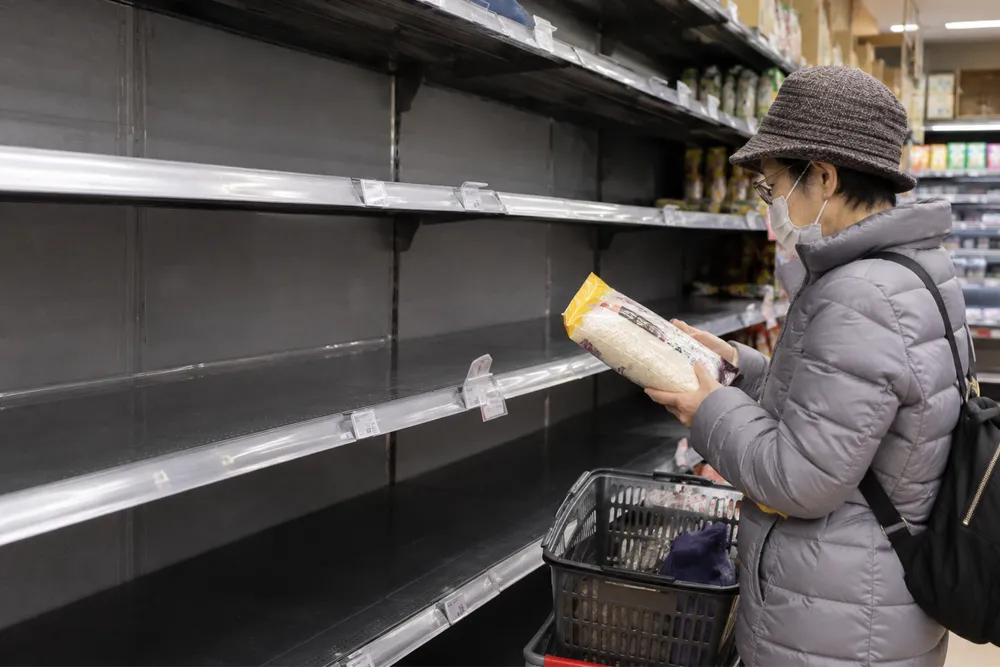
Japan’s annual rice demand and supply projections are facing growing scrutiny after the country witnessed a rice shortage alongside a sharp price rise in the domestic market. The issue has highlighted how closely agricultural planning depends on accurate forecasting, especially for a staple crop such as rice, which plays a central role in food security and household consumption.
As the report states, one of the major problems was that demand forecasts underestimated actual consumption needs. This mismatch between projected and real demand contributed to tighter supply conditions, which in turn pushed retail rice prices significantly higher. The situation was further complicated by sudden shifts in consumption patterns, including increased demand from tourism recovery and changing dietary habits, both of which were not fully captured in earlier models.
Additionally, Policymakers have acknowledged that traditional forecasting methods may no longer be sufficient in a more volatile economic environment. Consequently, the government is working to refine its projection systems by incorporating a wider range of variables, such as tourist inflows, regional consumption differences, climate-related production risks, and global market influences. Notably, Japan is focusing on improving its rice supply management framework to avoid disruptions in the future. This includes better coordination of stockpiles, more timely release of reserves, and closer monitoring of distribution channels.
Share this article
Article Info
Read Time
5 min read
Published
30 May 2026
Author
Megha Bajaj
Category
Rice News