Bangladesh Rice Prices Rise Amid Flood Damage and Government Intervention
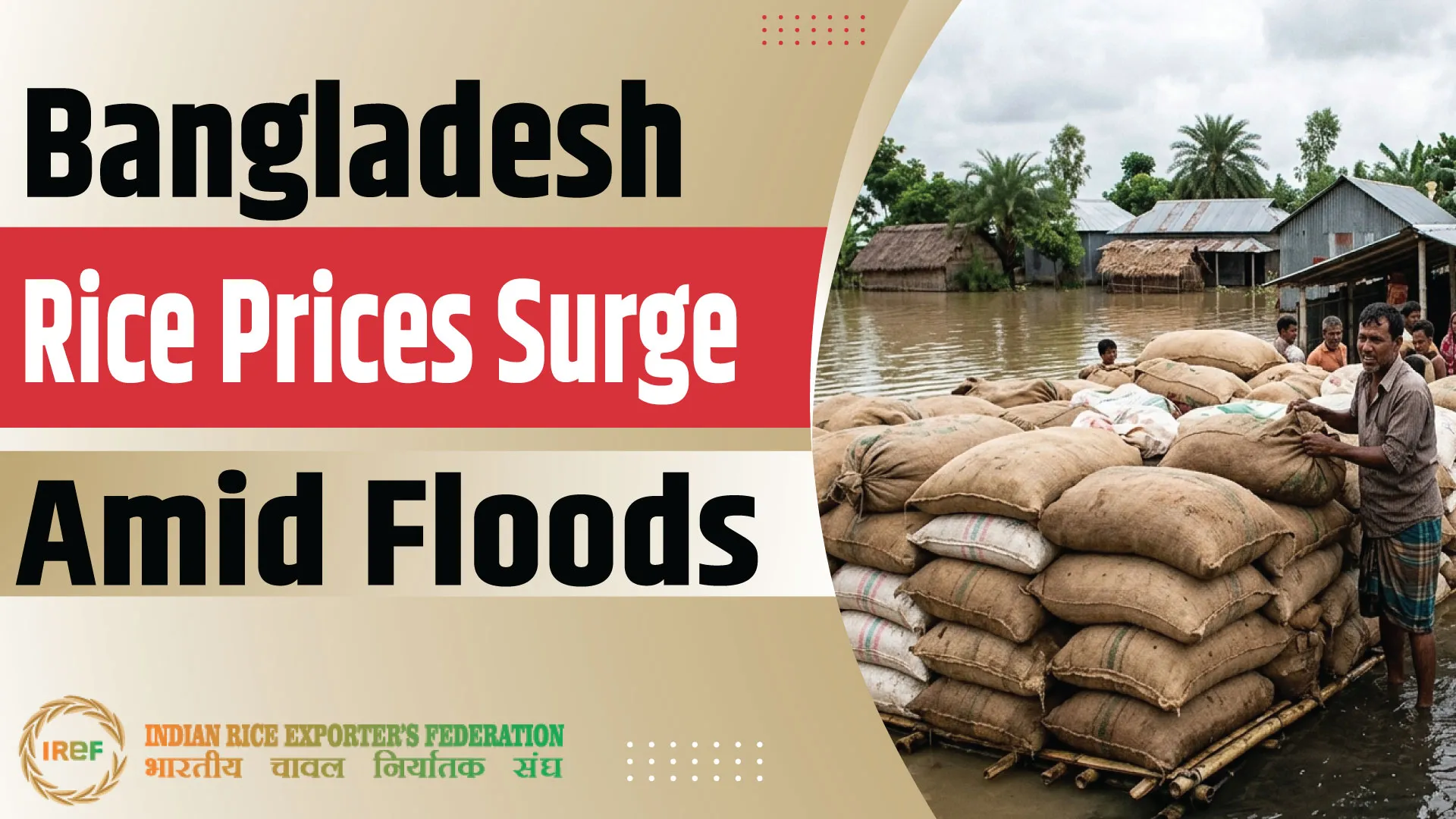
Bangladesh Rice Prices have emerged as a significant concern as the country struggles with flood-related crop damage, higher paddy costs, and uncertainty surrounding rice imports. The latest rise in the prices of both premium and coarse rice has increased the financial burden on consumers, particularly low- and middle-income households. Responding to this, the Bangladesh government has boosted its food security measures by increasing subsidised rice distribution under the Food-Friendly Program.
Food-Friendly Program amid rising Bangladesh Rice Prices
The Ministry of Food rolled out the latest phase of the Food-Friendly Program on August 1 across 495 upazilas (sub-districts). Under the scheme, nearly 5.5 million cardholder families will get 30 kilograms of rice every month at a subsidised price of Tk 15 per kilogram for six months each year. The rice distribution will take place in two phases. First one is from August to November and from March to April—to support vulnerable families during periods of seasonal unemployment and food insecurity.
Apart from providing affordable rice, the programme focuses on improving nutrition. Nearly, 2.53 million beneficiary families in 248 upazilas are receiving fortified rice, whereas nearly 2.97 million families in the remaining areas are supplied with regular rice. Not only this, but the government continues also open-market sales of rice and flour through 1,108 distribution centres and mobile trucks in the country to help stabilize retail prices.
Bangladesh currently has comfortable government rice reserves
Despite the increasing market rates, Bangladesh currently has comfortable government rice reserves. As of August 2, 2026, the country held approximately 2.349 million metric tonnes of grain stocks, including 1.966 million metric tonnes of rice, 280,010 metric tonnes of wheat, and 152,109 metric tonnes of paddy. Also, authorities are procuring paddy and wheat directly from farmers to boos domestic food supplies.
However, rice prices continue to rise in significant cities including Dhaka and Chattogram. Premium-quality rice is currently selling at nearly Tk 72 per kilogram, compared with Tk 70 a week earlier, whereas coarse rice has increased from Tk 48 to Tk 50 per kilogram. Traders attribute the increase to higher paddy procurement costs, flood damage to standing crops and Aman seedbeds, and uncertainty over rice imports from India. Although market supplies remain adequate, experts warn that speculation and hoarding could trigger further price rises if monitoring is not strengthened.
Bangladesh remains the world's third-largest rice producer
Bangladesh remains the world's third-largest rice producer, with annual production ranging between 37 and 40 million metric tonnes but domestic consumption is estimated at 38 to 43 million tonnes. It makes periodic imports necessary to bridge the gap. Undoubtedly, the country continues to source rice from several nations, including India. Recently, the Ministry of Commerce also approved exports of 8,800 tonnes of aromatic rice through 67 companies, with each shipment capped at 500 tonnes unless fresh approval is obtained.
Share this article
Article Info
Read Time
3 min read
Published
3 Aug 2026
Author
Megha Bajaj
Category
News