Top Rice News: Vietnam, Ghana & Punjab Rice Updates
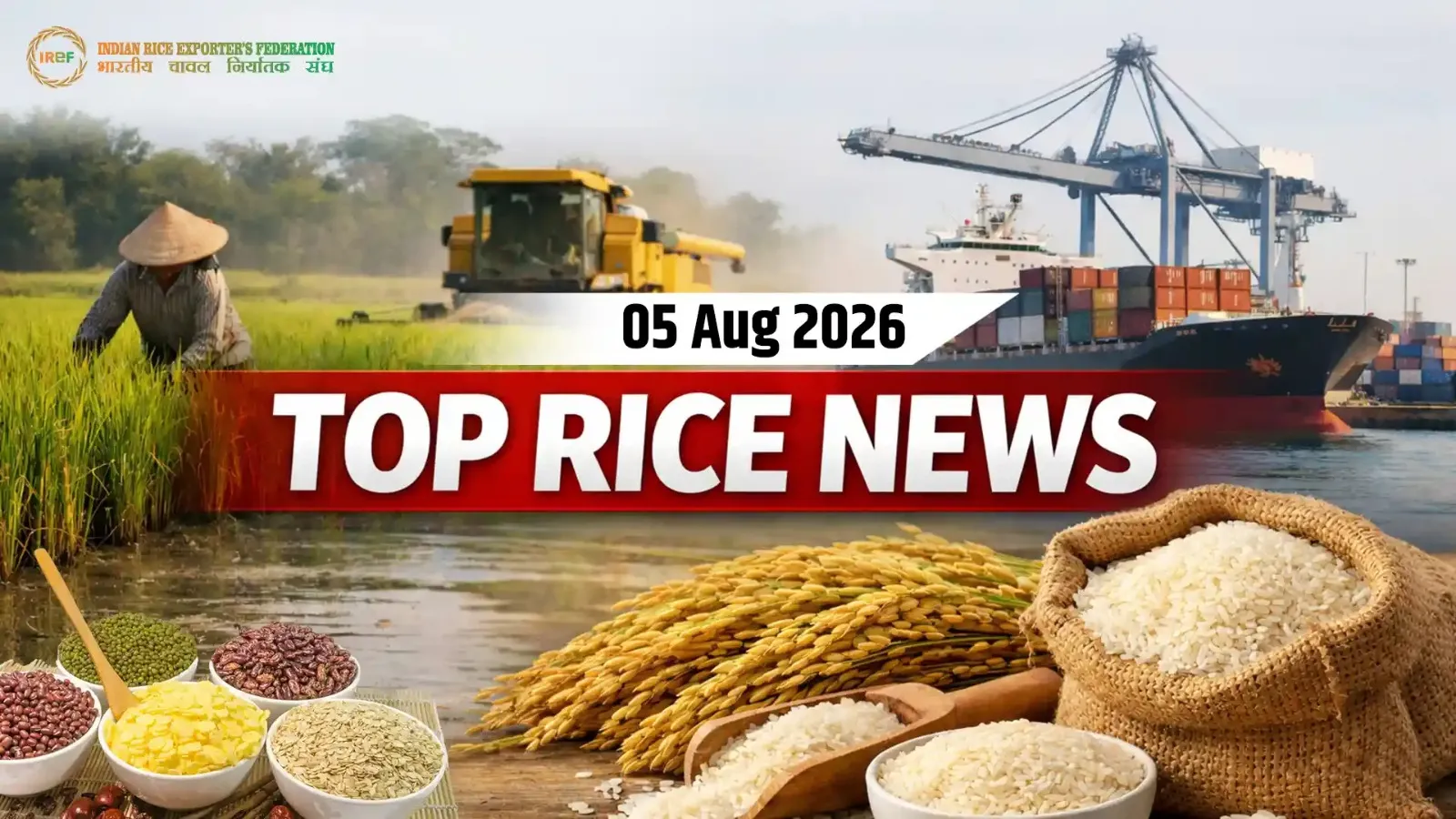
Top Rice News today covers the biggest developments in the global rice sector. This edition features Vietnam's proposed rice export price floor, the African Development Bank's $18.8 million grant to strengthen Ghana's rice production, and a new study highlighting the impact of Punjab's rice–wheat monoculture on soil health.
Vietnam Proposes Rice Export Price Floor to Safeguard Farmers
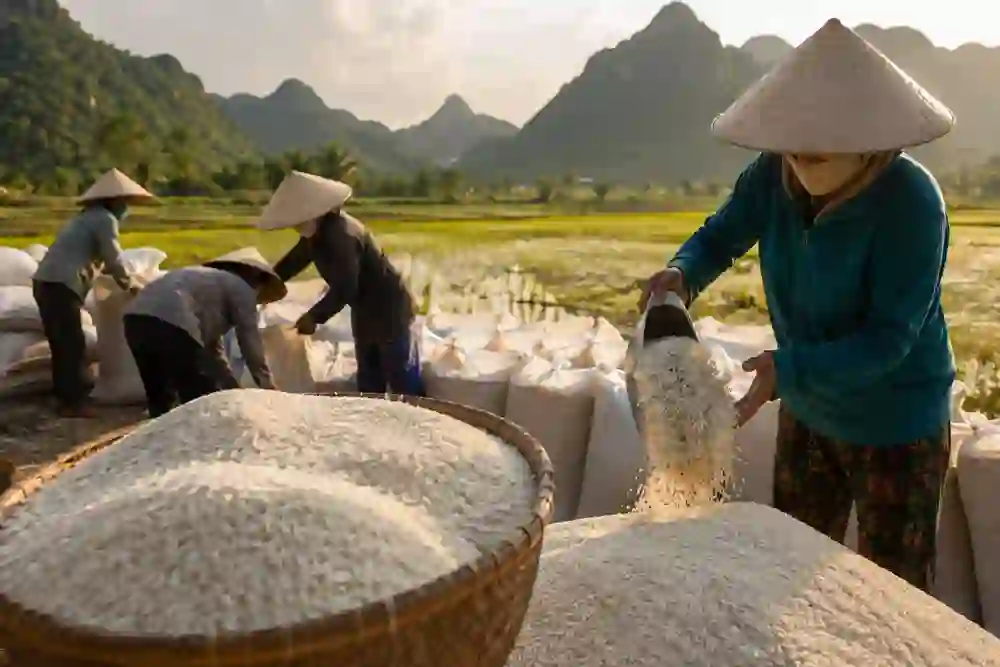
Vietnamese Food Association has proposed introducing a minimum export price for rice along with floor price for domestic paddy purchases to safeguard the farmers and exporters from falling prices. Notably, the move comes as Vietnam's rice exports face pressure after the Philippines, its largest overseas buyer, tightened rice imports, which leads to weaker export prices. The association has suggested a minimum export price of $500 per metric tonne for fragrant rice and a domestic purchase price of 7,000 dong per kilogram for fresh paddy. Although current market prices remain above these levels, the proposal aims to prevent excessive price declines, discourage undercutting among exporters, and make sure stable incomes for farmers. Undoubtedly, Vietnam is the world's third-largest rice exporter, which shipped 5.53 million metric tonnes of rice in the first seven months of the year, However, export earnings dropped 7.1% despite stable volumes. If approved, the price floor is expected to stay in place until the end of 2026.
Why AfDB Approves $18.8 Million Grant to Boost Ghana's Rice Production?
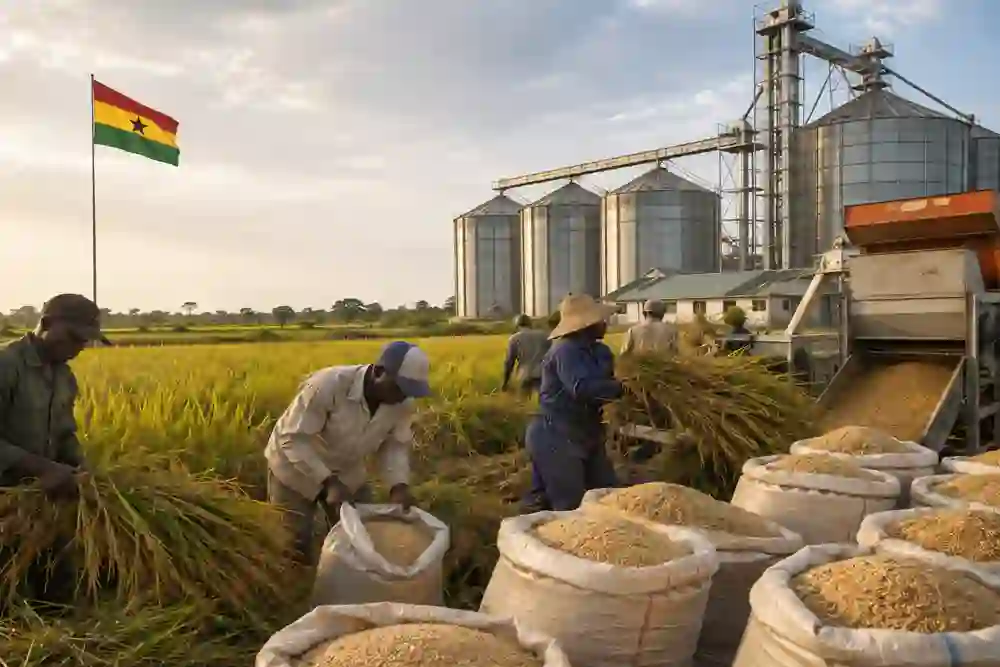
The African Development Bank (AfDB) has recently approved an $18.8 million grant for Ghana under the Regional West Africa Resilient Rice Value Chains (REWARD) Project to boost the country's rice sector. Significantly, the initiative aims to rise domestic rice production, reduce dependence on imports, enhance food security, and create jobs inthe agricultural value chain. The project is going to be invest in climate-resilient farming practices, increase irrigation and land development, enhance access to quality seeds, farm machinery, and modern production technologies. Not only this, it will also modernise rice processing facilities, boost market linkages, and encourage private-sector investment. In addition, the programme will primarily focus on Ghana's Northern Savannah Ecological Zone, where agricultural potential remains underutilised due to climate risks and limited infrastructure. By strengthening productivity and making locally produced rice more competitive, the project is expected to enhance farmer incomes along with supporting Ghana's long-term food security and agricultural resilience.
Study Warns Rice–Wheat Monoculture Is Damaging Punjab's Soil Health
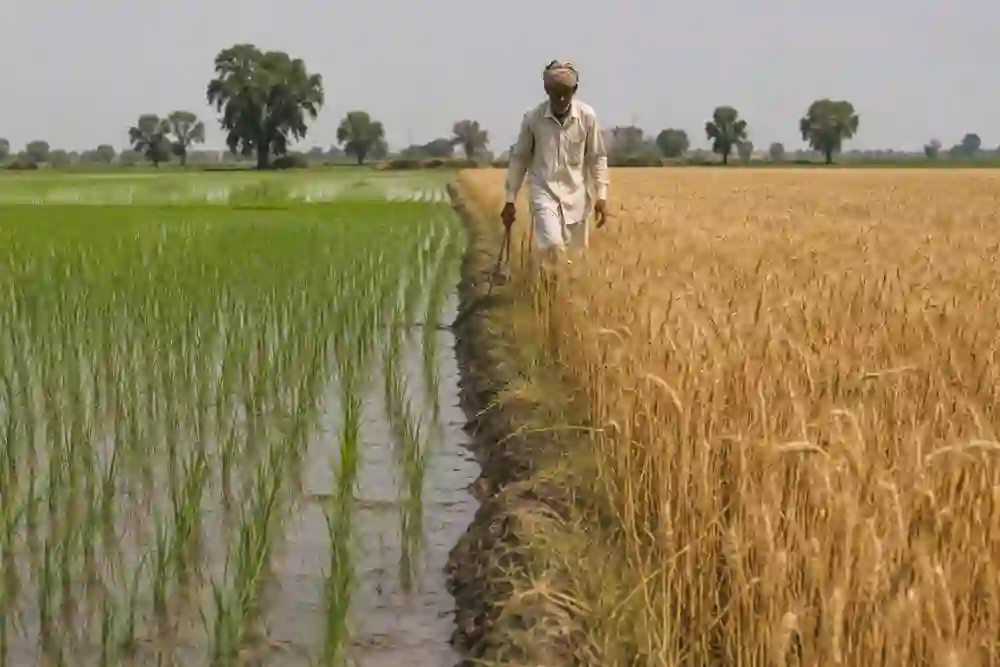
According to reports, new study has raised concerns over the long-term effect of Punjab's rice–wheat monoculture, warning that the dominant cropping pattern is degrading soil health and threatening agricultural sustainability. Moreover, researchers found that continuous rice cultivation and wheat cultivation have reduced soil organic carbon, increased soil compaction, lowered water infiltration, and weakened overall soil fertility. On the contrary, diversified cropping systems that include legumes, fodder crops, maize, or green manure significantly enhanced soil structure, moisture retention, and nutrient availability. Moreover, the study recommends promoting crop diversification, conservation agriculture, and sustainable farming practices to restore soil quality along with maintaining productivity. Experts suggest reducing reliance on the rice–wheat cycle will also help conserve groundwater, lower input costs, and enhance climate resilience. The findings reinforce the need for policy support to encourage farmers to adopt alternative cropping systems that maintain food security with long-term environmental sustainability.
Share this article
Article Info
Read Time
3 min read
Published
5 Aug 2026
Author
Megha Bajaj
Category
Rice News