Top Rice News: PM Kisan Yojana, NK Price Cap & Indonesia Exports
Top rice news today highlights PM Kisan Yojana’s 23rd Instalment, North Korea's rice price cap driving traders underground and Indonesia’s record rice exports
PM Kisan Yojana: 23rd Installment Is Here

Millions of farmers across India are eagerly waiting for the 23rd installment of the PM Kisan Samman Nidhi scheme, under which eligible beneficiaries receive ₹2,000 directly in their bank accounts. The government provides a total annual support of ₹6,000, distributed in three equal installments. So far, 22 installments have already been released, with Prime Minister Narendra Modi last disbursing the 22nd installment from Guwahati, Assam on March 13, 2026.According to media reports, the 23rd installment is expected around July 2026. However, not all registered farmers may receive the payment unless key eligibility requirements are completed on time.To ensure smooth transfer, farmers must complete e-KYC verification, which can be done either online through OTP-based authentication on the official PM Kisan portal or offline at a nearby Common Service Center (CSC) using biometric verification. Linking an Aadhaar card with a bank account is also mandatory, as any mismatch may delay or stop the payment. In addition, land verification is required for continued eligibility under the scheme. Farmers who have not completed this process may be excluded from the upcoming instalment. The scheme also has strict rules to prevent duplication—two members from the same family cannot simultaneously receive benefits. Similarly, individuals who purchased land after February 12019, are not eligible under the scheme guidelines. To check the payment status, beneficiaries can visit the official PM Kisan website, go to the “Farmer Corner,” select “Know Your Status,” and enter their registration or Aadhaar number along with the CAPTCHA code. With the next installment approaching, completing all required formalities is essential to avoid any disruption in receiving benefits.
North Korea’s Rice Price Controls Lead Traders Underground, Worsen Food Shortages
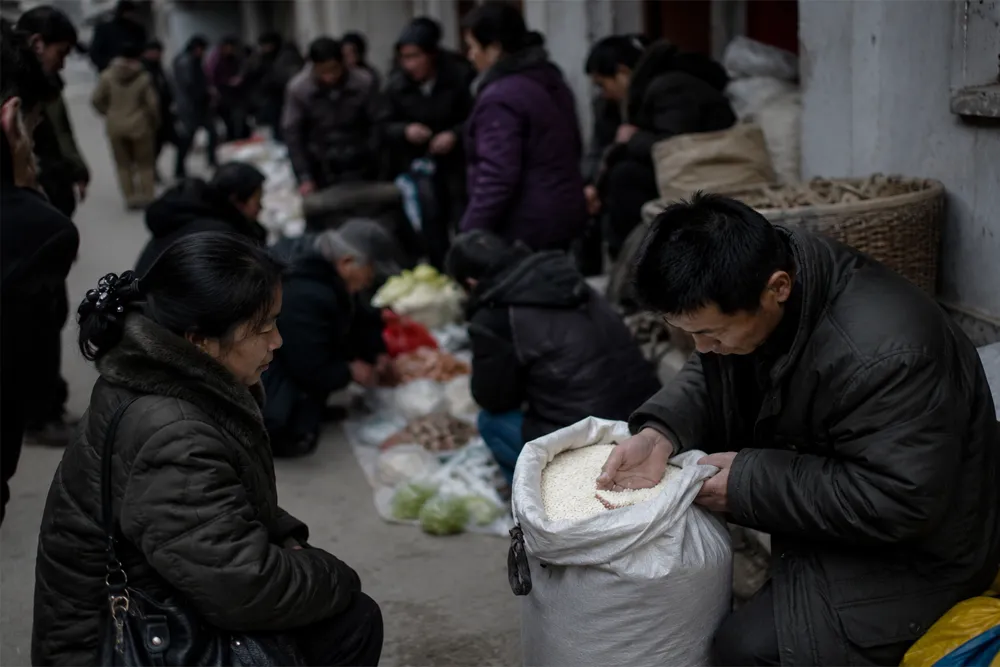
On May 12, 2026, North Korea’s Cabinet issued an emergency order, capping rice prices in the country’s markets, but the move has driven traders underground and made rice harder to find than before. The emergency order was issued to prevent market vendors from charging above a government-set price ceiling for food. The directive came as rice prices surged well past 30,000 North Korean won per kilogram in markets across the country. The Daily NK’s regular market price monitoring showed that rice had already crossed the 30,000-won threshold last month. As of May 10, one kilogram of rice was selling for 32,600 won in Sinuiju markets. That figure represents a roughly 3.5-fold increase from the same period last year, when prices stood nearly 9,000 won, and a more than 1.5-fold rise from mid-February of this year. Responding to the emergency order, the North Pyeongan provincial people’s committee’s commercial bureau has been coordinating with the provincial security bureau to suppress food price increases. Commercial officials visit markets daily to examine prices, whereas security agents patrol vendor stalls and inspect the account books of rice sellers. The crackdown has produced open confrontations between agents and traders. Vendors who have had their rice seized are pushing back aggressively, with shouting matches and physical altercations breaking out across markets. The price controls have stirred memories of the Arduous March among the older North Koreans. Arduous March is the period of mass famine in the 1990s during which an estimated hundreds of thousands to over a million people died of starvation.
Indonesia Expands Rice Exports as National Reserves Hit Record High
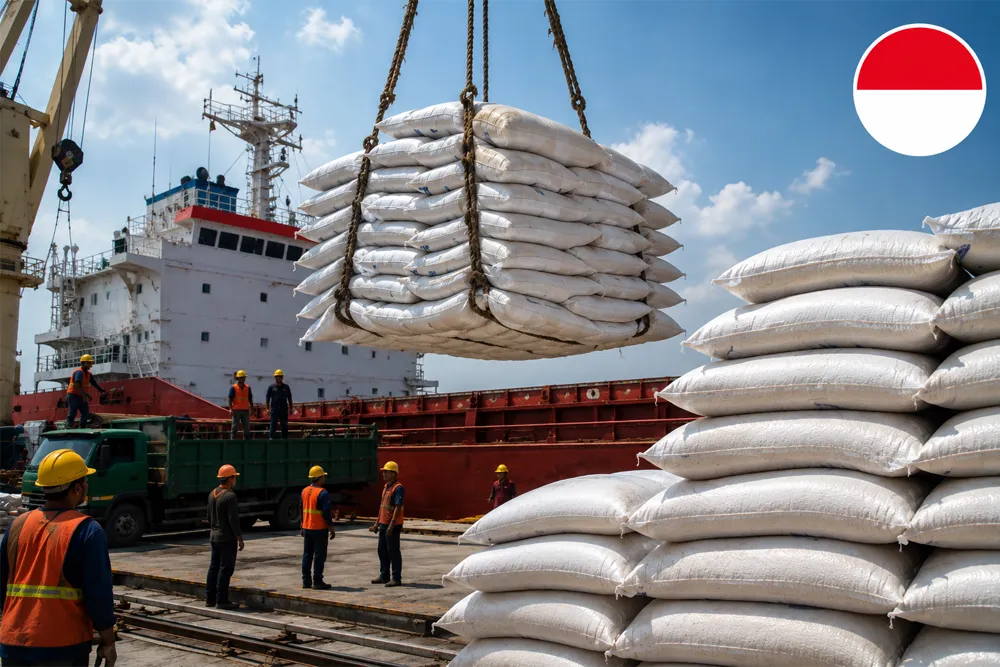
Indonesia is ramping up its rice exports after building a record level of government rice reserves. It indicates strong progress in its domestic food security strategy. Agriculture Minister Andi Amran Sulaiman stated that the country’s rice stockpile has reached 5 million tons ahead of the upcoming dry season which marks the highest level ever recorded. The minister further said this historic reserve not only boost Indonesia’s food security but also provides the foundation to expand rice exports in the coming months. In this aftermath, the government believes the country may even avoid the need for rice imports in 2026. Moreover, in order to manage the rising surplus, the government has also expanded warehouse and storage capacity across key regions. This move is aimed at preventing post-harvest losses and ensuring efficient distribution of rice stocks. According to officials, the improvement in storage infrastructure reflects broader gains in domestic rice production and supply chain management.
Generally, the development highlights Indonesia’s transition from a supply-constrained market to a surplus-driven one. There is no doubt in this fact that strong harvests, better logistics, and improved policy coordination have collectively contributed to this milestone.
Share this article
Article Info
Read Time
4 min read
Published
20 May 2026
Author
Megha Bajaj
Category
Rice News