Top Rice News: Longevity Rice, Pak Rice Exports Drop & Basmati Rice Exports
Today’s Top Rice News includes Chinese Scientists Development ‘Longevity Rice’ Using Ancient Genes, Drop in Pakistan Rice Exports Over 35% in February Amid Sector Challenges and Freight rates double due to affected Indian Basmati rice exports.
Chinese Scientists Develop ‘Longevity Rice’ Using Ancient Genes
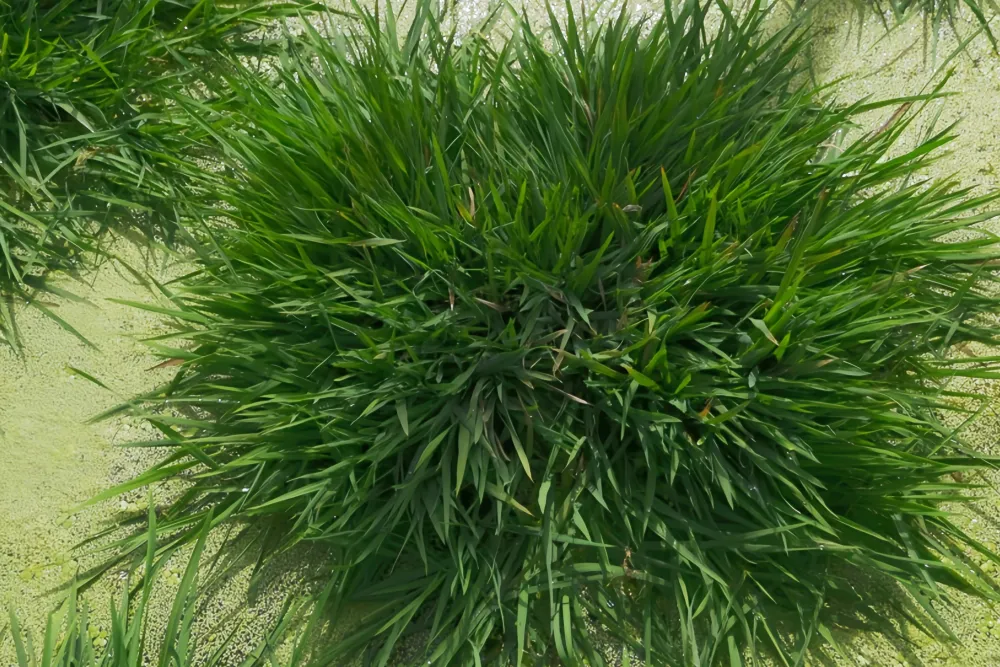
Recently, Chinese scientists have made a groundbreaking advancement in agriculture by developing a new variety of longevity rice, achieved by unlocking ancient genetic traits found in wild rice species. Unlike traditional rice, which completes its lifecycle in a single growing season, this innovative crop has the remarkable ability to regenerate and produce multiple harvests from a single planting. This means farmers could potentially harvest rice several times a year without replanting, significantly improving efficiency and productivity.The scientific breakthrough centers on a key genetic region that allows the plant to maintain a youthful state even after harvesting. This enables it to regrow and produce secondary shoots, a trait previously unavailable in cultivated rice. Researchers have already successfully developed a high-yield variety that maximizes this secondary growth, offering the potential for much higher total production per planting cycle. Experts suggest that this innovation could have far-reaching impacts on sustainable agriculture. By reducing the need for repeated planting and labor-intensive management, it could lower production costs and resource usage. Additionally, the ability to grow rice more like a perennial crop may improve long-term food security, particularly in regions where climate variability or labor shortages make traditional farming challenging. This new longevity rice could thus represent a transformative step in modern rice farming, combining higher yields, sustainability, and resilience, and may serve as a model for future crop development worldwide.
Pakistan Rice Exports Drop Over 35% in February Amid Sector Challenges
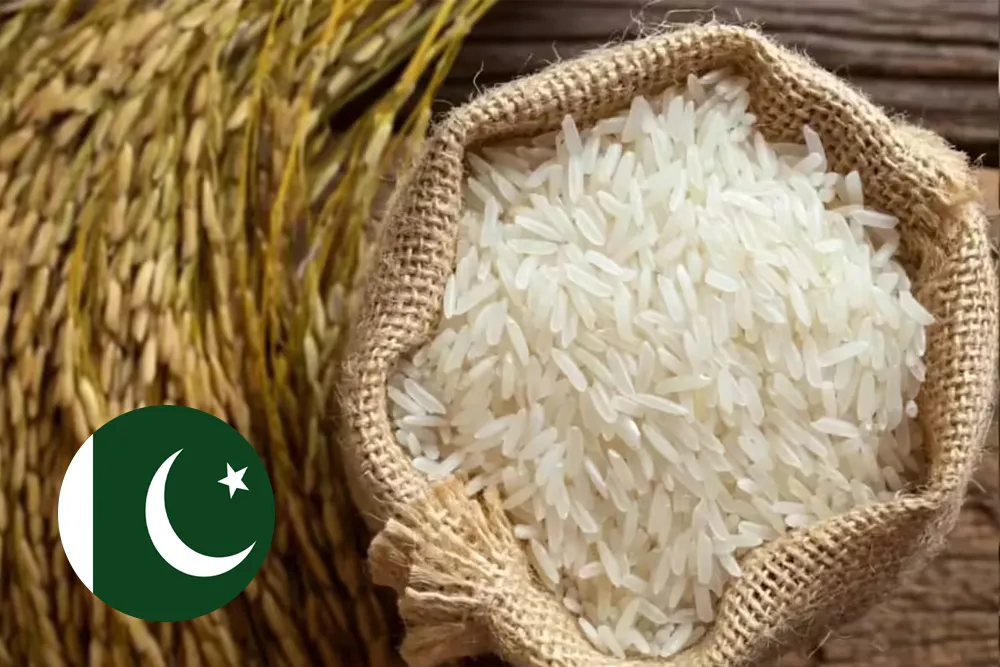
Pakistan’s rice exports witnessed a sharp decline of over 35% in February. Moreover, it reflects the ongoing challenges in the country’s agricultural export sector. In addition, the data shows that rice, Pakistan’s major export commodity, dropped significantly both year-on-year and month-on-month due to weak demand and structural issues. Significantly, Basmati and non-Basmati rice exports both recorded notable declines along with falling volumes and reduced export earnings for the industry. Interestingly, the government's efforts include subsidies and incentives. Despite government efforts, the country's rice sector continues to struggle with rising domestic prices. Not only this, but the sector is grappling with stockpiling while facing the problem of reduced competitiveness in global markets, which has further hampered the exports. Apart from these, experts suggest that without major reforms in productivity, cost management, and export strategy, Pakistan’s rice industry may continue to face pressure in the coming months.
Indian Basmati Rice Exports Hit by US–Iran War as Freight Costs Double
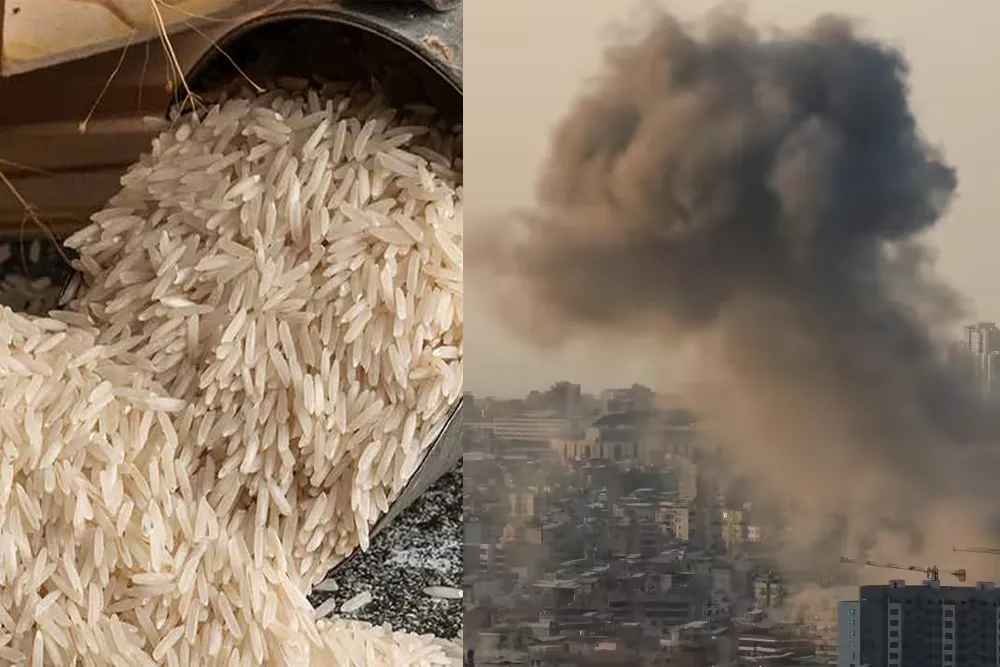
Amid the growing tensions in the Middle East Conflict, Indian basmati rice exports are experiencing renewed pressure as freight costs to the Middle East have increased sharply. It has disrupted logistics and squeezed exporter margins. The rise in shipping costs emerges even though domestic rice prices have come down by nearly 10%. According to the Industry experts, creating a sharp divergence between export economics and local market trends. Notably, the Middle East and the Persian Gulf remain a significant part when it comes to India's basmati trade. Exporters state freight costs to Gulf markets have doubled in recent weeks, driven by higher war risk premiums, vessel re‑routing, and container shortages. Experts mentioned that logistics disruption has added roughly $50 per tonne to the cost of exporting basmati rice. The price increase has been fully passed on to clients, adding that exporters have had little choice given the scale of cost escalation. In addition, KRBL said it is closely monitoring developments in the region and remains engaged with stakeholders on the ground. “We are in constant communication with our regional partners and authorities to navigate this period of uncertainty with caution and resilience,” said Akshay Gupta, Head of Bulk Exports at KRBL Ltd.
Share this article
Article Info
Read Time
1 min read
Published
21 Mar 2026
Author
Megha Bajaj
Category
Rice News