Top Rice News: India’s Rice To Burkina Faso, Rice Exports Hit And Japan Govt. Bill
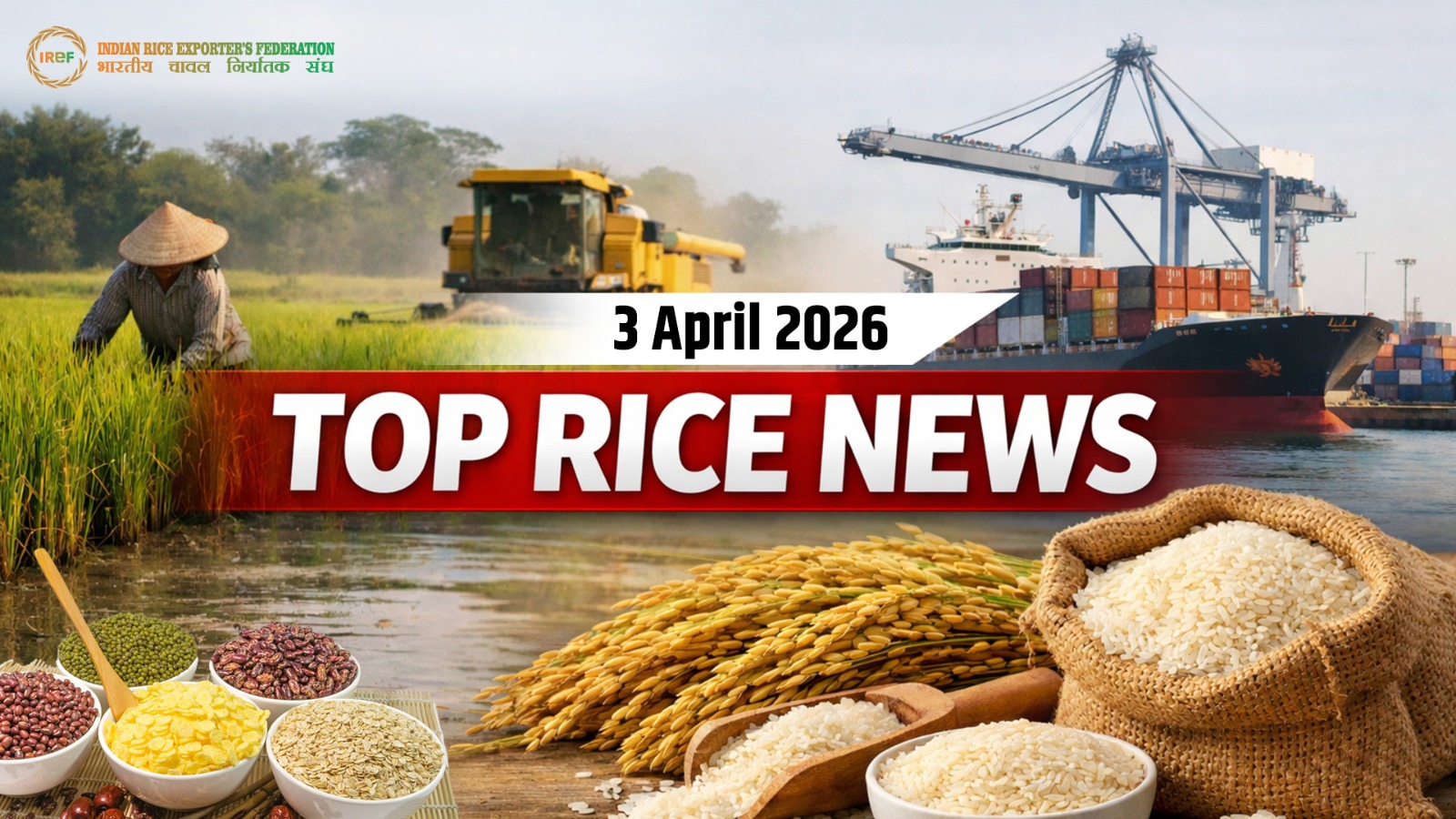
India Sends 1,000 Metric Tonnes of Rice to Burkina Faso as Humanitarian Aid
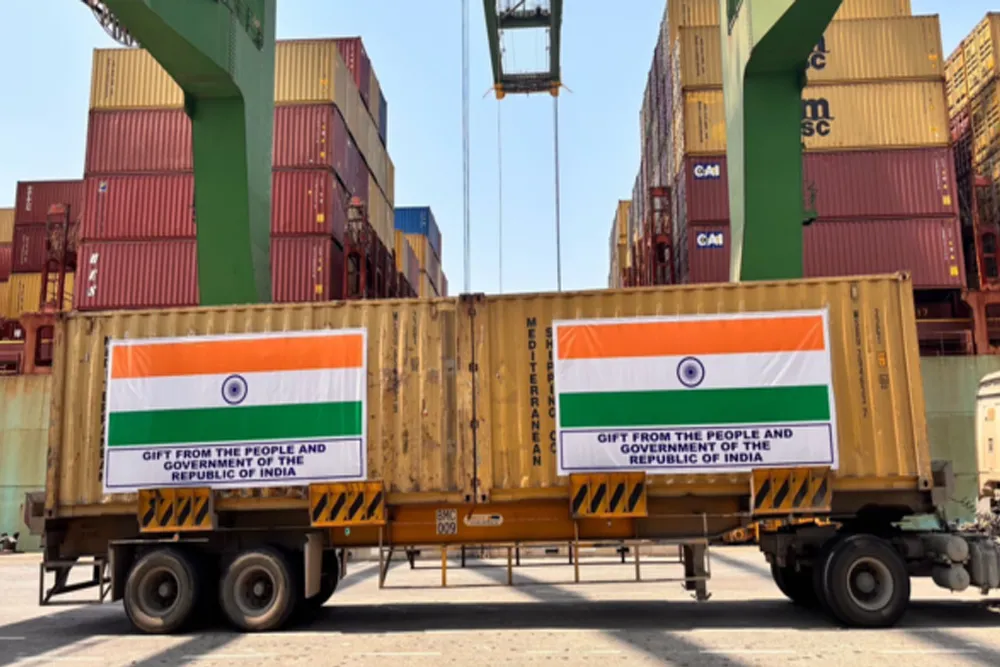
According to sources, India has dispatched a consignment of 1000 metric tons of rice to Burkina Faso in the context of humanitarian assistance rice exports, intending to offer food security for vulnerable communities and internally displaced persons. Interestingly, India and Burkina Faso share cordial and harmonious relations. In a brief, the Ministry of External Affairs noted how Burkina Faso highly values its friendship with India. Notably, Burkina Faso established its Resident Mission in New Delhi in 1996 and upgraded to Ambassadorial status in 2011. Moreover, India maintained its Resident Mission in Ouagadougou from November 1996 until its closure in July 2002. Not only this, India also reopened its Resident Mission in Ouagadougou in March 2019.Both countries maintain diplomatic relations through regular political dialogue and consultations. In addition, In November, Lok Sabha Speaker Om Birla met Ousmane Bougouma, President of the Transitional Legislative Assembly of Burkina Faso, and discussed the growing India-Burkino development partnership He highlighted how the Indian Parliament is leveraging Artificial Intelligence and Digital Sansad to improve transparency and efficiency in legislative functioning. Besides this, Lok Sabha Speaker assured him of India's continued support in advancing Burkina Faso's development goals.
Middle East Conflict Hits UP Rice Exports as Freight Costs Surge
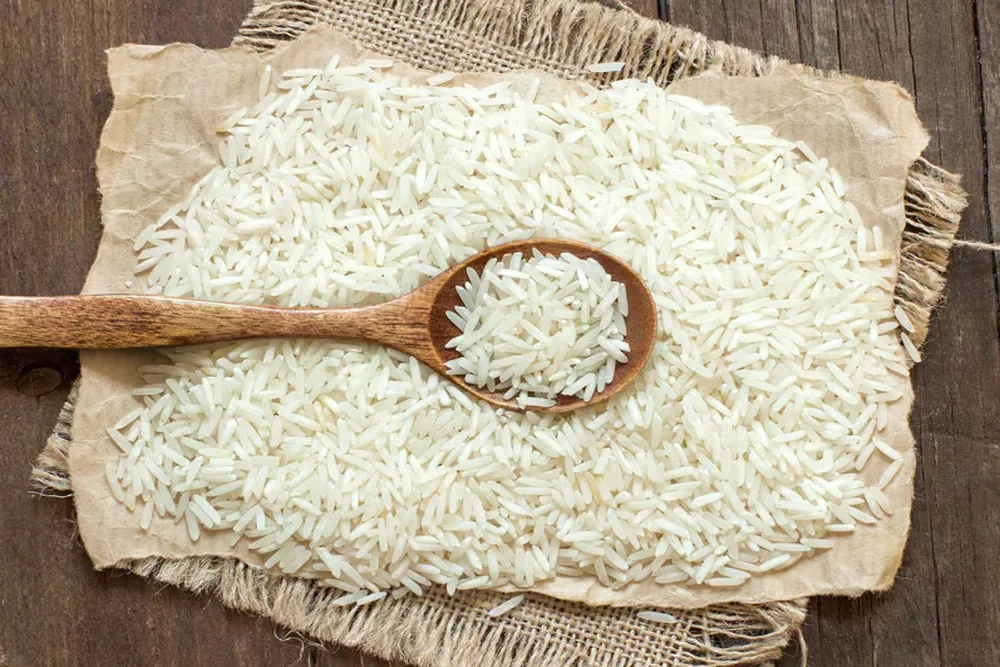
Amid the West Asia Crisis, Rice exports from Uttar Pradesh have been severely affected due to the ongoing Middle East conflict, which has caused a significant disruption in global shipping and trade logistics. Consequently, the crisis has led to a sharp rise in freight and transportation costs, making it increasingly difficult for exporters to secure vessels and arrange timely shipments. Shipping companies are prioritising safer or shorter routes, whereas international insurers are charging higher premiums due to the increased geopolitical risk. This has created uncertainty in trade routes, resulting in delayed or cancelled consignments, which, on the other hand, affects the reliability of delivery schedules for international buyers. For farmers and traders in Uttar Pradesh, this slowdown in exports has some explicit economic consequences. Several small and medium-scale exporters depend heavily on overseas markets for their rice sales, and rising costs are eating into profit margins. In addition, delayed shipments can lead to storage issues, quality deterioration, and missed contracts. The situation has also highlighted the vulnerability of India’s agricultural export sector to global geopolitical tensions, highlighting the need for alternative logistics solutions, diversified trade routes, and support mechanisms to protect farmers’ incomes in times of international uncertainty.
Japan Govt Passes Bill to Promote Demand-Based Rice Production
On Friday, April 3, the Japanese government adopted a bill to revise the staple food law to require rice producers to align their production with demand, making proactive and dedicated efforts. Notably, the current law, which is to ensure supply and price stability for staple crops, such as rice, has provisions on production adjustment, including numerical targets, even after the government abolished its gentan rice enclosure reduction policy in 2018.
According to the bill, the provisions will be removed. Instead, the revised law would explicitly stipulate the government's long-standing policy of promoting rice production that matches demand, to prevent price declines due to oversupply. In addition, the bill includes a measure to reform national rice stockpiling system framework, along with envisioning the establishment of a new framework that would have the private sector manage part of the national rice reserves.
The revision would allow the government to release stockpiled rice when supply shortages arise due to strong demand, not only when rice production declines.
Share this article
Article Info
Read Time
3 min read
Published
3 Apr 2026
Author
Megha Bajaj
Category
Rice News