Top Rice News: Thailand Stockpiling Risks & Coconut Prices Rise In Malaysia
Top rice news today highlights Thailand’s El Niño Threat, due to which rice buyers rush to stockpile and surge in Coconut prices in Malaysia, while imported rice becomes affordable.
Thailand Faces El Niño Threat as Global Rice Buyers Rush to Stockpile
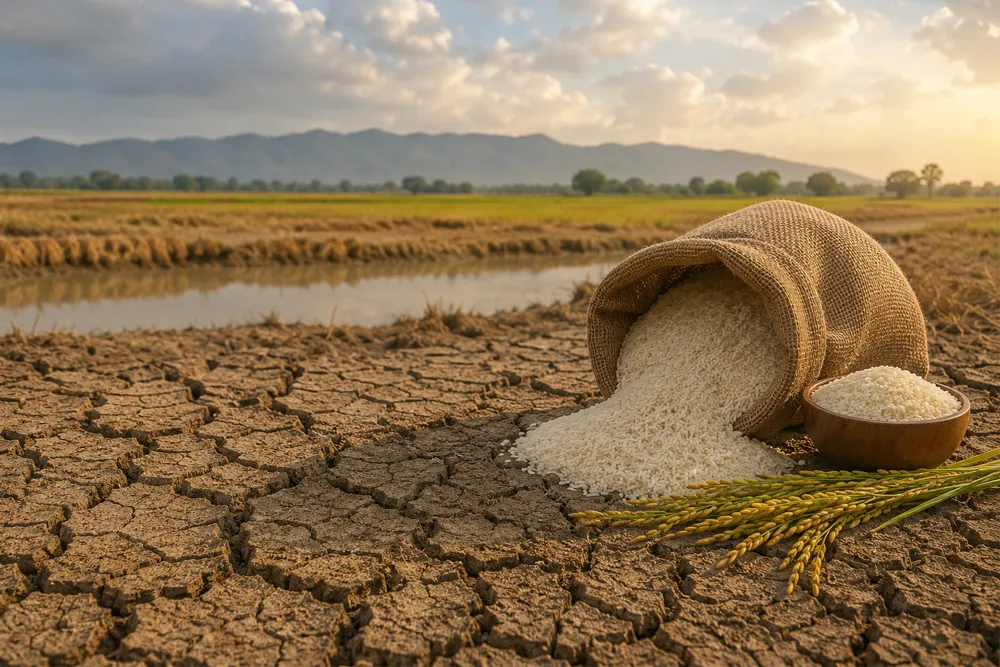
Thailand, one of the leading rice exporters, is preparing for an El Niño-driven drought expected in 2026. It could disturb agricultural production across the country. Meteorological forecasts suggest that low rainfall and dry conditions may affect major farming regions. It raises concerns regarding water shortages for irrigation and lower rice output. Thailand plays a crucial role in global food supply chains. Any decline in production could have wider consequences. In the context of these risks, major rice-importing countries such as Malaysia and the Philippines have increased their rice purchases to create buffer stocks and ensure food security. This early buying activity has already started putting upward pressure on global rice prices. It reflects fears of tighter supply conditions in the upcoming months.
Despite these challenges, Thai rice exporters remain cautiously optimistic. They believe that strong international demand may help offset potential losses from climate-related production declines and weaker early-year shipments. At the same time, exporters are focusing on managing supply commitments efficiently to maintain Thailand’s position in the global rice market.
Generally, the situation highlights how climate factors like El Niño continue to affect agricultural output, trade flows, and food prices worldwide. It also outlines the growing importance of stockpiling and adaptive farming practices in maintaining global food security amid increasing climate uncertainty.
Malaysia Sees Coconut Prices Surge While Rice Costs Ease
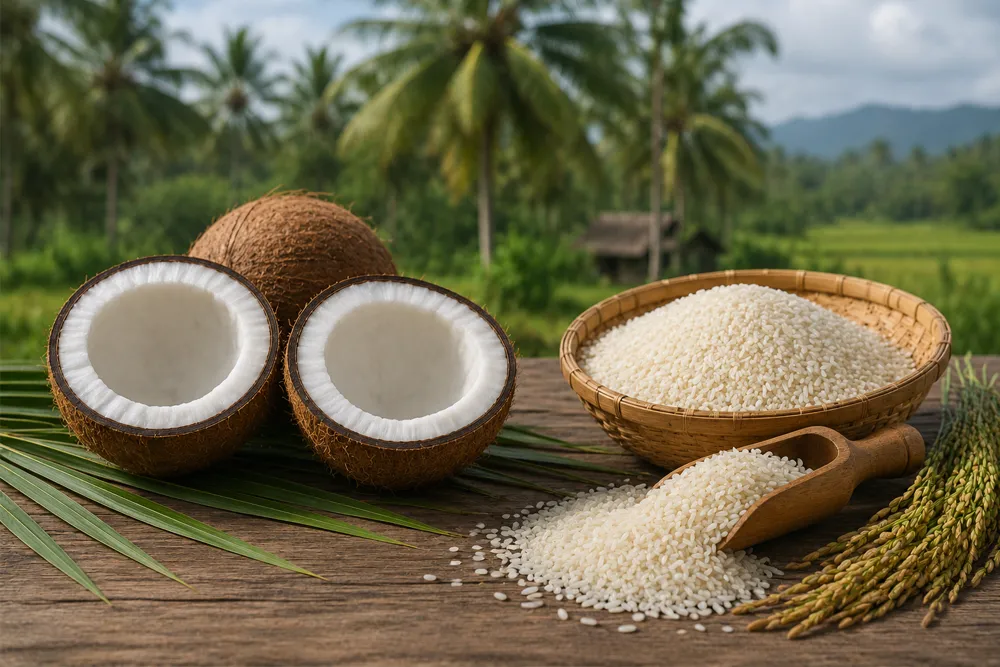
Currently, Malaysia is facing contrasting trends in major food commodity prices. The coconut prices are rising sharply, while the imported rice has become more affordable. The increase in coconut and coconut milk prices is mainly driven by supply shortages, adverse weather conditions, and higher import costs, particularly from Indonesia, which is one of the major suppliers. Poor climatic conditions have affected production levels. It leads to tighter availability in the domestic market and pushes prices upward.
Notably, coconuts and coconut-based products are widely used in Malaysian cuisine, especially in traditional dishes. It makes the price surge noticeable for both households and the food service industry. Restaurants and small businesses that depend heavily on coconut milk are also feeling the pressure of rising input costs.
On the contrary, imported rice prices have eased due to government intervention measures, including subsidies and policy support aimed at stabilising the market. These steps are part of broader efforts to ensure food affordability and boost national food security. This movement in prices highlights the complex nature of regional food supply chains, where different commodities respond differently to climate conditions, trade flows, and policy actions. It also highlights how climate change and import dependency continue to affect food inflation patterns across Southeast Asia. It requires coordinated policy responses to sustain stability and affordability.
Share this article
Article Info
Read Time
3 min read
Published
13 May 2026
Author
Megha Bajaj
Category
Rice News