Top Rice News: Telangana’s Rice Procurement Target & Indonesia’s Rice Imports Halt
Top Rice News today highlights that Telangana has urged the Centre to raise its rice procurement target after recording a historic paddy procurement season. Meanwhile, Iraq’s rice farming is witnessing a strong revival as improved rainfall and higher river flows allow farmers to return to cultivation after years of drought. However, experts warn that long-term water security risks remain. In another major development, Indonesia has announced an end to rice imports, citing food self-sufficiency achieved through higher agricultural production and expanded planting areas.
Telangana Urges Centre to Raise Rice Procurement Target
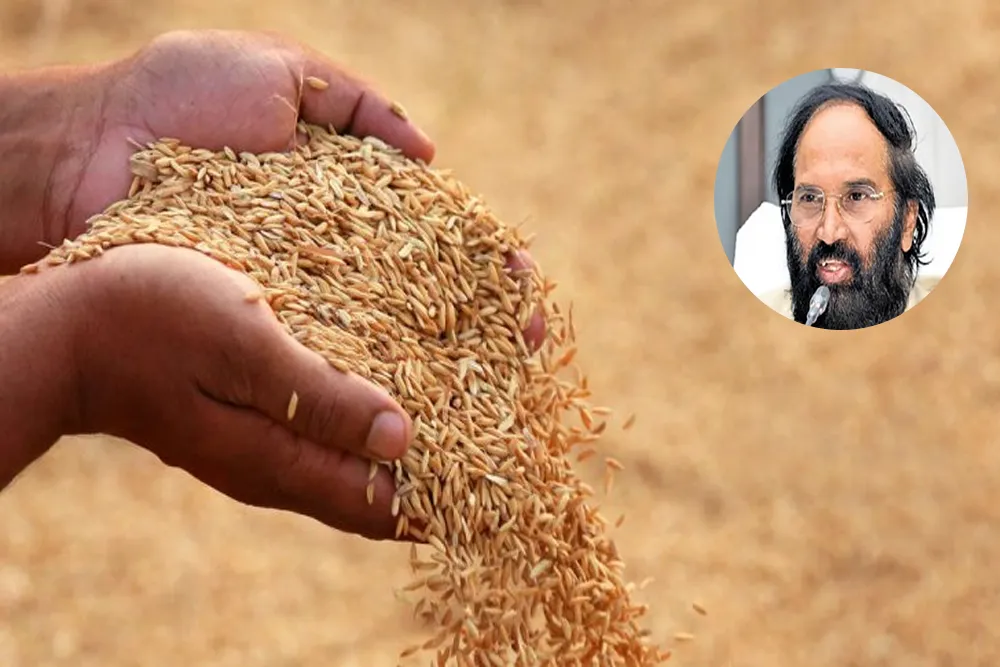
On Tuesday, June 23, Civil Supplies Minister N Uttam Kumar Reddy urged Union Food and Consumer Affairs Minister Pralhad Joshi to raise Telangana’s Rabi 2025–26 rice procurement target from 35 lakh metric tonnes (LMT) to 54.5 LMT, equivalent to the 80.09 LMT of paddy already procured by the state. While meeting Union Minister in New Delhi, Uttam, along with Agriculture Minister Thummala Nageswara Rao, explained that Rabi procurement had already touched 80.09 LMT and was expected to rise further as arrivals continued from late-harvesting districts. The ministers stated that combined procurement during the Kharif and Rabi cycles of 2025–26 had reached a record 152 LMT, the highest ever in Telangana and the undivided AP. Moreover, they mentioned the Union minister that while Telangana had projected nearly 90 LMT of paddy procurement during the Rabi season, the Centre fixed the rice procurement target at only 35 LMT, equivalent to 51.47 LMT of paddy. Consequently, the state procured nearly 29 LMT more paddy than the approved target. Not only this, but the ministers also sought a 60-day extension for pending Rabi 2024–25 Custom Milled Rice (CMR) deliveries and a 120-day extension for Kharif 2025–26 deliveries, citing storage constraints, overlapping procurement seasons and heavy arrivals.
Iraq’s Rice Farming Rebounds After Drought, but Water Security Risks Persist
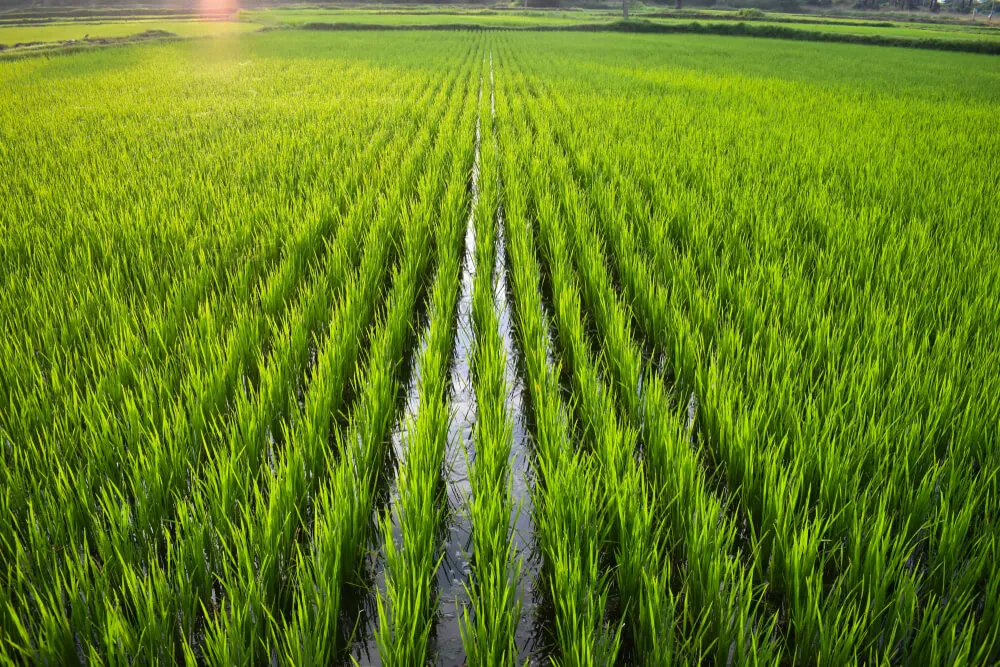
Iraq’s rice fields are coming back to life after years of drought and water shortages. In Al-Mishkhab, Najaf, farmer Alaa Al-Ibrahimi is planting rice again after years of restrictions. Improved rainfall and higher river flows have enabled the farmers to restart cultivation of Anbar rice, one of Iraq’s most valued varieties. The government has approved nearly 362,000 dunams for rice farming, a dramatic rise from just 200 dunams last year during the country’s worst water crisis in decades. Moreover, Iraq’s water reserves have also been enhanced, increasing from nearly 4.5 billion cubic meters to around 30 billion cubic meters, boosting hopes for higher rice production. Officials expect this season’s harvest to reach about 300,000 metric tons, supporting domestic food supplies. However, according to experts, recovery may not last. Climate change, rising temperatures, declining rainfall, and dependence on water flows from neighbouring countries remain major challenges. For Iraqi farmers, this season brings economic relief, but the future of rice farming still relies on sustainable water management.
Indonesia Ends Rice Imports, Citing Self-Sufficiency and Record Farm Output
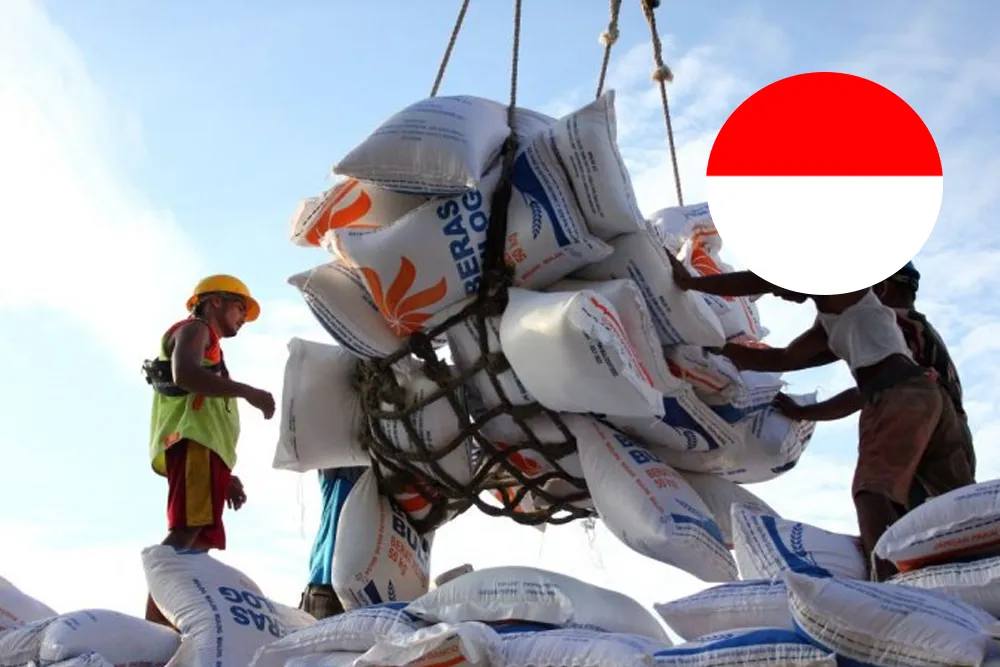
According to reports, on Tuesday, June 23,Deputy Minister of Agriculture Sudaryono stated that Indonesia has achieved food self-sufficiency and halted importing rice through increased agricultural production and the expansion of planting areas in several regions. He said: "We are already self-sufficient and no longer importing rice," Sudaryono said while delivering remarks at a gathering of farmers, fishers, and trainers at the 17th National Farmers and Fishers Week (PENAS) in Gorontalo District, Gorontalo Province. According to him, the achievement was made through a simple but consistent strategy, expanding planting areas to increase production and harvest yields. Furthermore, he said, "The key is to plant more so that we can harvest more". The government is also continuing to expand its new rice fields development programme in several regions, including Papua, South Kalimantan, and Gorontalo. In Gorontalo, the new rice field area covers around five thousand hectares.
He mentioned the programme is being carried out on previously unproductive land while maintaining local communities' land ownership rights. Additionally, the government is offering support in the form of agricultural machinery and equipment to raise farmers' productivity. "Indonesia's agricultural sector has shown progress as reflected in increased production of several food commodities".
Share this article
Article Info
Read Time
4 min read
Published
24 Jun 2026
Author
Megha Bajaj
Category
Rice News