Rice News Today: Cambodian Rice Farmers Struggle, Europe’s Rice Production at Risk and More
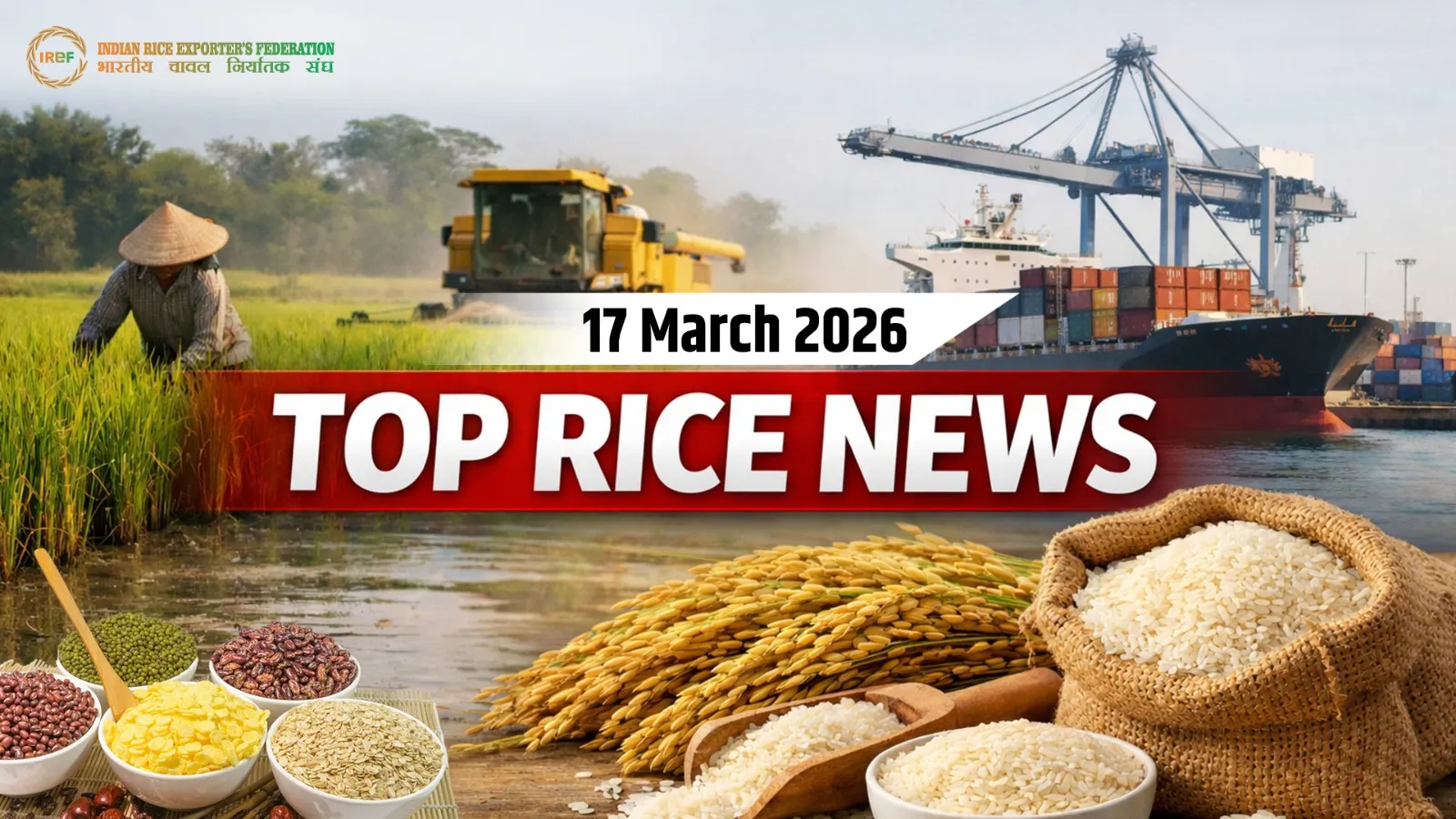
March 17, Rice News Today includes Cambodian Rice Farmers Struggle With Rising Fuel Prices, Europe’s Rice Production at Risk, Australia-India partnership steps into green steel with world-class agricultural waste
Cambodian Rice Farmers Struggle With Rising Fuel Prices
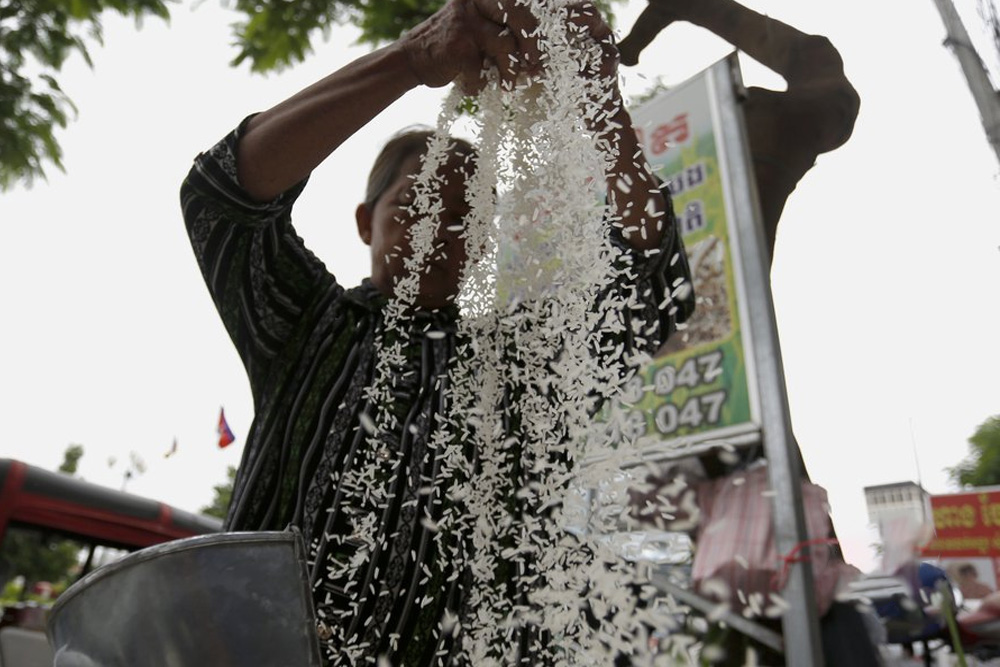
The Cambodian agricultural sector has turned stagnant due to global pressure of fuel shortages and fuel price hikes, along with risking operational costs and low market returns. According to the Ministry of Commerce, from March 14 to 16, the price of regular gasoline hit 5,400 riel per litre, with diesel prices rising to 6,400 riel a litre. Theng Savoeun, president of the Coalition of Cambodian Farmer Community cited that rising fuel prices impact farmers who need to use fuel to pump water for irrigation in agriculture. He added that it is time for the government to consider farmers’ needs, such as increasing and encouraging them to use renewable energy in agriculture, including arranging for investment companies to install solar panels to protect the crops. According to the Cambodia Rice Federation, as of March 13, paddy prices in Cambodia are at around 600 to 800 riel a kilogram, based on location. Moreover, Seng Sovan, a farmer in Battambang province, informed that he has decided to shift from farming for a while as he has been losing income from rice farming for various years. In the past couple of days, a joint working group of the Ministry of Commerce confirmed that more than 2,000 fuel stations and depots have either closed or suspended operations without being assessed for compliance by the competent authority.
Europe’s Rice Production at Risk, Producers Urge Urgent Policy Action
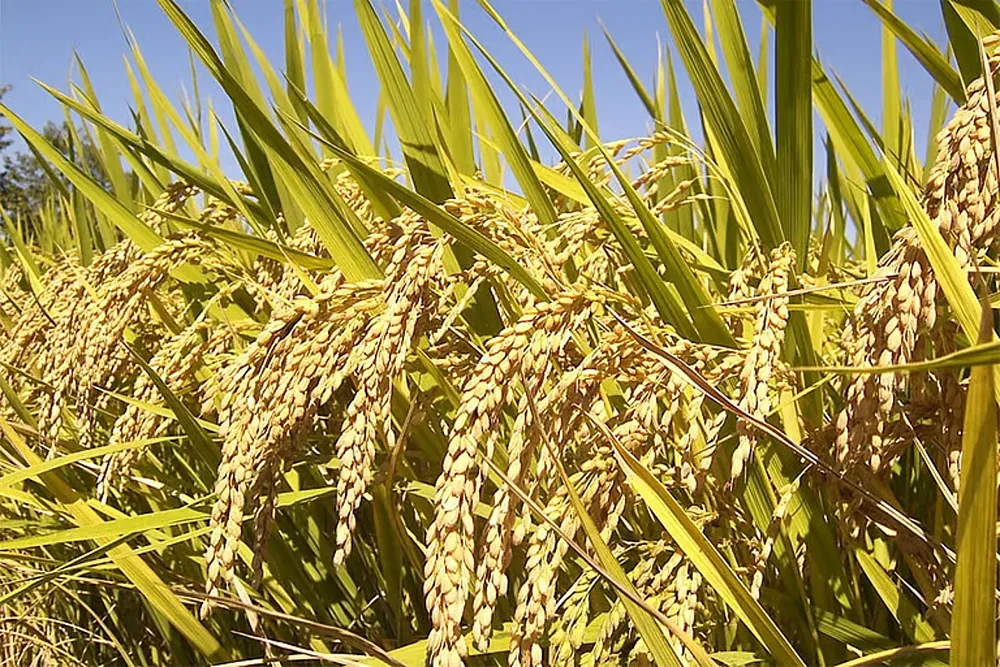
According to Copa-Cogeca, FERM (the Federation of European Rice Millers) and Ente Nazionale Risi (the Italian National Rice Authority), Rice-farming in Europe crisis has entered a phase of serious crisis with producers and the wider supply chain warning of a growing imbalance in the sector. Notably, the sector is facing increasing pressure, triggered by rising agricultural production costs, strict regulatory requirements and a major increase in imports entering the EU market, the associations. Interestingly, Rice imports into the European Union climbed to approximately 1.7 million tonnes during the latest marketing campaign, along with a significant share entering the market at reduced or zero tariffs, under existing EU trade arrangements. Moreover, higher input costs in agriculture and the requirements to comply with some of the most demanding environmental and production standards across the world are contributing to increased uncertainty for rice producers and processors. In addition, Market prices for paddy rice have been facing substantial pressure in recent months, and some producers are shifting production towards japonica rice production, a segment traditionally considered more stable. According to the statement, however, if this trend continues, it could lead to oversupply in that market segment, further weakening price stability in the sector.
Australia-India partnership steps into green steel with world-class agricultural waste

An Australia-India partnership moves closer to green steel production through a world-first use of agricultural waste in steelmaking during a successful commercial-scale trial in India. In a collaboration, Researchers from Australia's national science agency, CSIRO, and the Indian Institute of Science (IISc) demonstrated a viable approach to cut emissions by partially replacing coal with locally sourced rice husk pellets for steel. Interestingly, the breakthrough provides a scalable pathway to decarbonise the steel industry in India, one of the world's fastest-growing industrial economies in a sector currently responsible for approximately one-tenth of global carbon emissions. Moreover, Professor Govind S. Gupta, Managing Director, RESCONS Solutions, said, "At RESCONS Solutions, we believe in environmentally sustainable solutions that benefit present and future generations. Collaborating with CSIRO and IISc, we are proud to help pioneer the use of biomass in steelmaking, supporting India's transition to greener industrial practices."Significantly, the trial includes blending 5 per cent and 10 per cent rice husk pellets into commercial gasifiers at Jindal Steel in Odisha, achieving production with no loss of performance. The release said that leveraging India's abundant agricultural waste, the CSIRO-led team, with funding from the Australian Government's India-Australia Green Steel Research Partnership, conducted a full-scale trial at Jindal Steel in Odisha. The team successfully blended 5 per cent and 10 per cent rice husk pellets into steel gasifiers, achieving sustained syngas production with no loss of performance.
Share this article
Article Info
Read Time
1 min read
Published
17 Mar 2026
Author
Megha Bajaj
Category
Rice News