Top Rice News: Ethanol, Food Security & Global Rice Updates
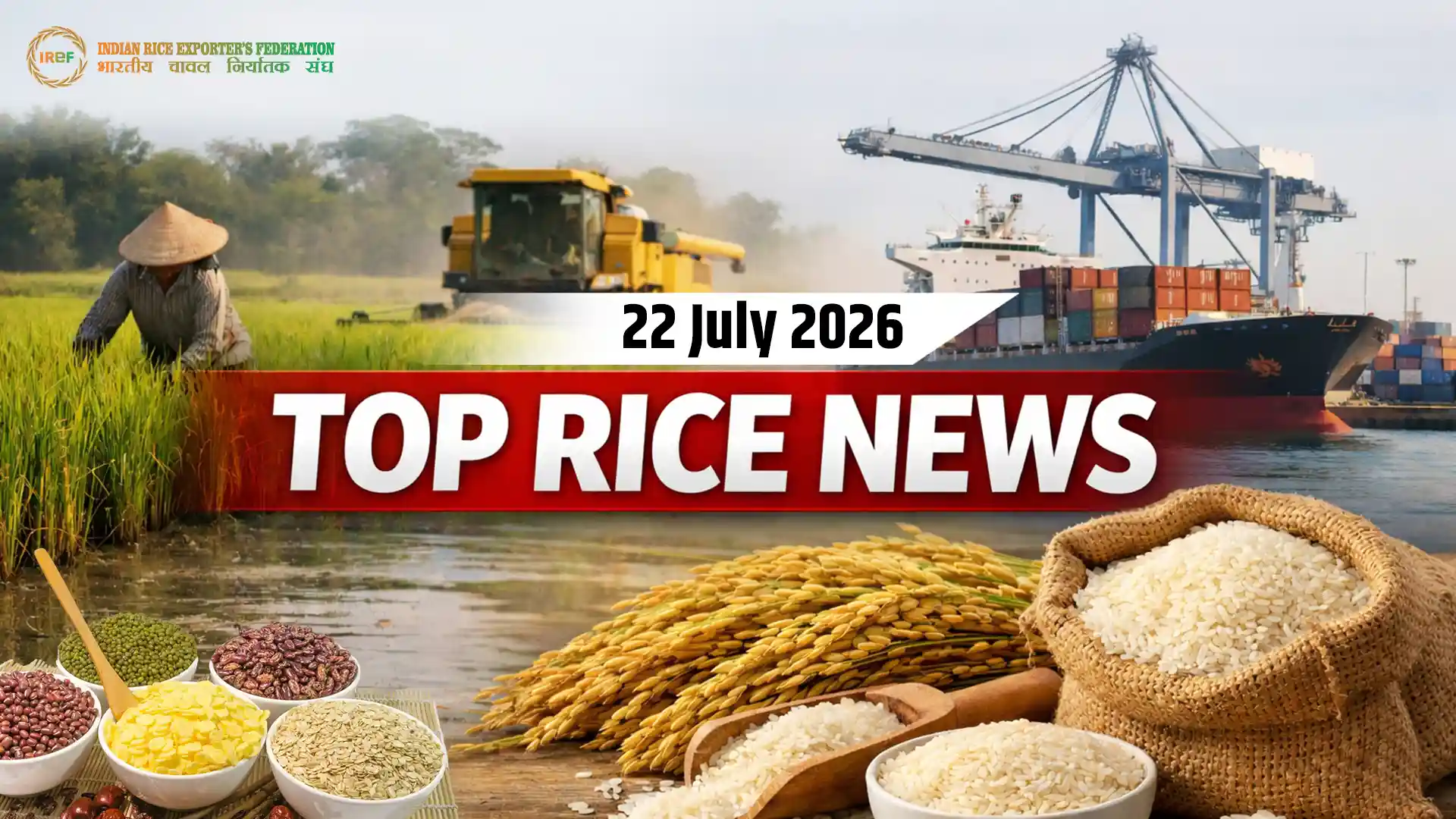
Top Rice News today highlights how India diverts surplus rice and maize for ethanol production while ensuring food security through advance rationing measures amid climate concerns. At the same time, Tajikistan expands rice cultivation to reduce imports and strengthen agricultural resilience. Notably, these developments reflect the growing focus on balancing energy needs, food availability, farmer support, and sustainable agricultural growth.
India Diverts 10.7 Million Tonnes of Rice and Maize for Ethanol Production
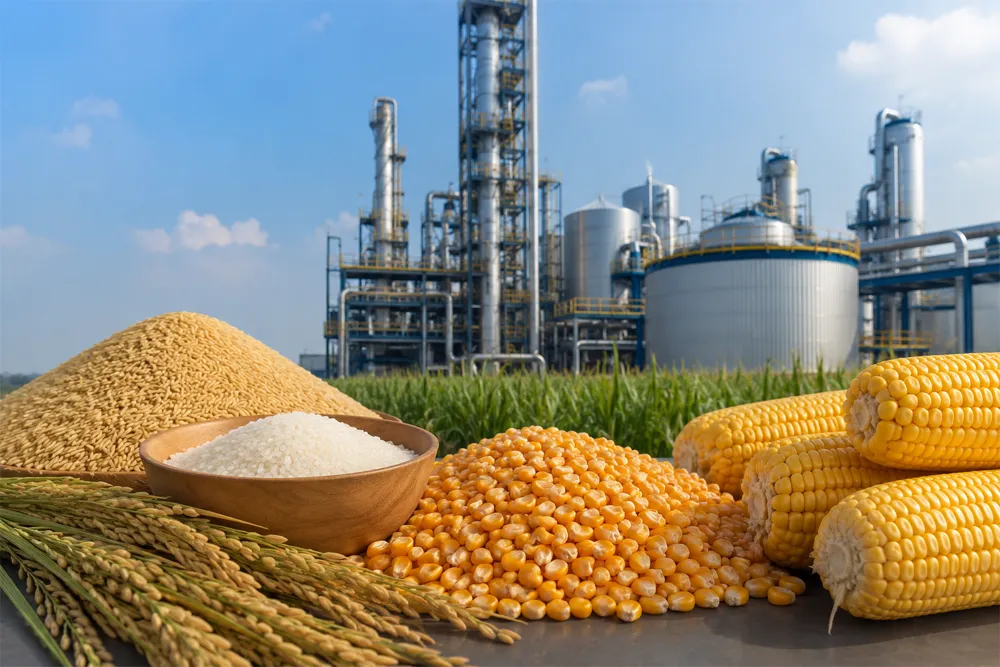
According to reports, India has used 10.7 million tonnes of food grains for ethanol production till June for its ethanol blending programme which aimed at reducing dependence on fossil fuels. According to govt. data, nearly 3.9 million tonnes of rice from the Food Corporation of India (FCI) and 6.8 million tonnes of maize were utilised for ethanol manufacturing. Officials stated that the grains used were from surplus stocks and the move is aligned with India’s clean energy objectives.
The increased use of maize and rice for ethanol is expected to support farmers by creating additional demand for crops, along with helping the country reduce crude oil imports and carbon emissions. Not only this, but the development underscores the need to maintain a balance among fuel production, food availability, and price stability. Moreover, India continues to expand its ethanol blending programme as part of its long-term energy transition strategy.
Why Has Centre Directed States to Distribute Three-Month Rice Ration?
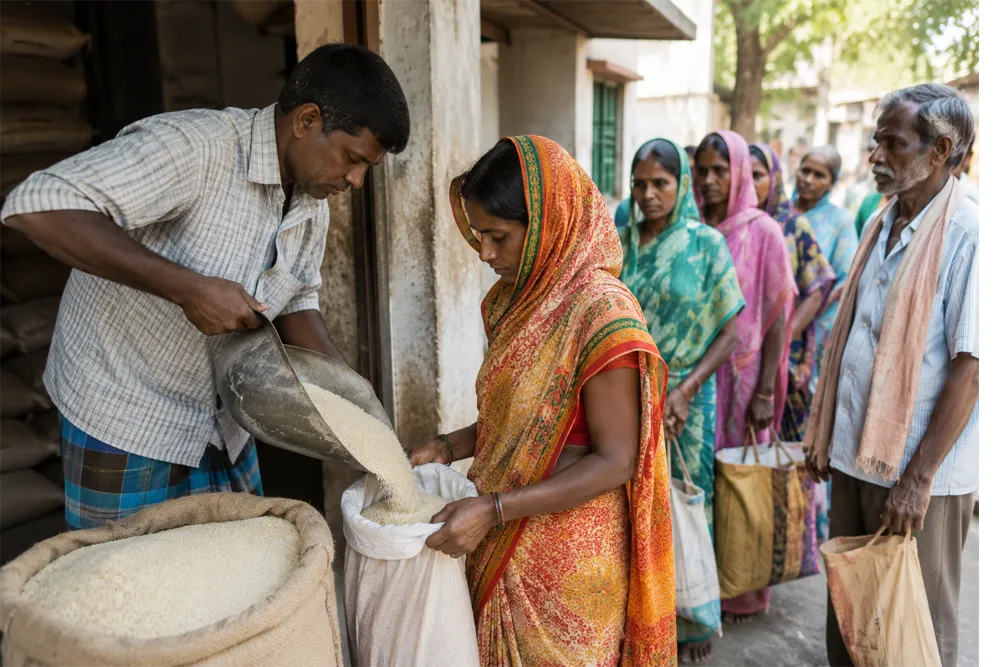
Recently, the Centre has directed states to ensure the distribution of three months’ ration rice in advance amid concerns over the possible impact of the El Niño weather pattern on food security. Notably, the move aims to protect vulnerable sections of the population by balancing adequate availability of essential food grains in the public distribution system (PDS). In addition, officials are taking precautionary measures as El Niño conditions can impact monsoon patterns, along with agricultural production. Additionally, states have been asked to boost supply arrangements and ensure timely delivery of rice through ration networks. Broadly speaking, the government’s decision comes as it closely monitors weather developments and their possible impact on crop output as the allocation of rice in advance is expected to offer stability in food supplies and help in managing any disruptions caused by adverse weather conditions.
How is Tajikistan expanding rice cultivation to reach record production levels?
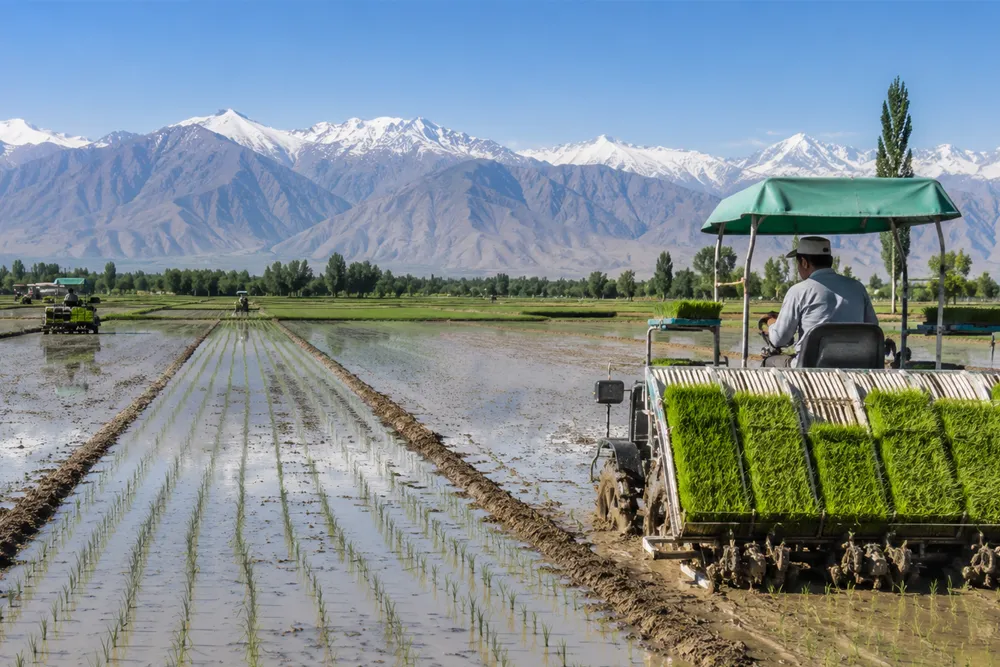
Tajikistan is witnessing a major boost in rice production as the country increases cultivation and boosts efforts towards food security. The rise in output comes as the government focuses on reducing reliance on rice imports and improving domestic agricultural capacity. Moreover, the country has increased the area under rice cultivation along with encouraging farmers to practice better farming using modern techniques. Also, government support measures have played a major role in enhancing productivity and boosting overall production. According to officials, the rice sector to continue growing as more focus is placed on efficient farming methods, improved crop management, and sustainable agricultural development. The rise in production is expected to benefit farmers, boost rural economies, and ensure a more reliable supply of rice for domestic consumption.
Tajikistan’s push to increase rice cultivation which indicates its broader strategy of enhancing self-sufficiency in essential food commodities and building a more resilient agricultural sector.
Share this article
Article Info
Read Time
3 min read
Published
21 Jul 2026
Author
Megha Bajaj
Category
Rice News