Top Rice News: Pak-China Deal, AP Subsidised Rates & 10-Month High Prices

Top Rice News Today highlights the latest developments in the global rice market, including Pakistan’s 60,000-tonne export deal with China, Andhra Pradesh’s subsidised rice sales, and a 10-month high in rice prices amid weather risks. The latest updates reveal shifting trade patterns, government measures, and supply concerns affecting farmers, exporters, consumers, and global food markets as climate challenges continue to influence rice availability and pricing trends.
How Pakistan Secures 60,000-Tonne Rice Export Deal with China?
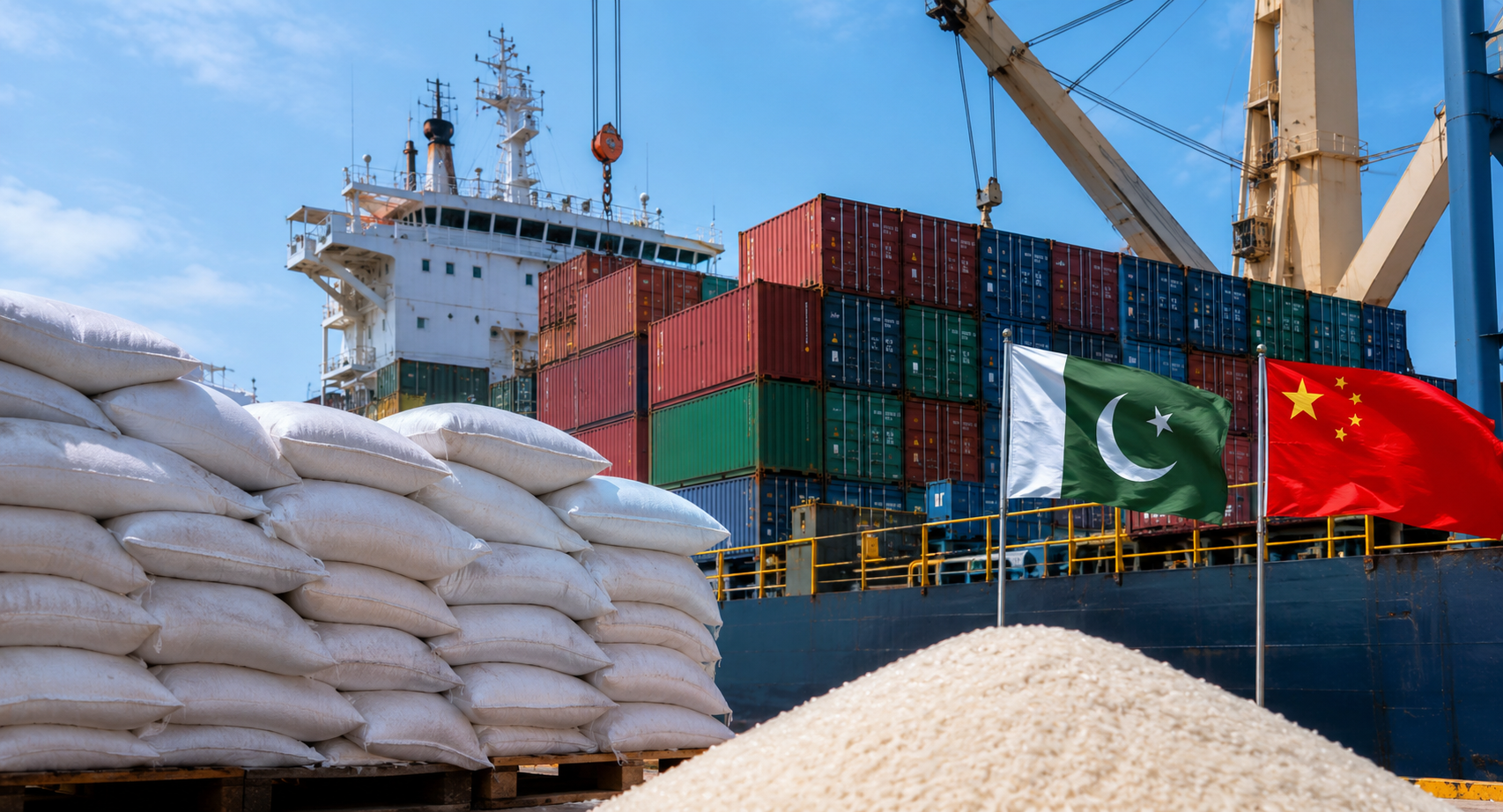
Pakistan’s Rice Exporters Association (REAP) has recently announced that it has secured orders to export 60,000 metric tonnes of rice to Chinese buyers. It marks a significant development in agricultural trade between the two countries. This deal follows a trade delegation’s visit to significant Chinese commercial hubs such as Guangzhou and Shenzhen, where Pakistani exporters held discussions with potential buyers.
REAP said the agreement indicates growing demand for Pakistani rice in the Chinese market and underscores the expanding opportunities for Pakistan’s agricultural exports. The association expects the new orders to strengthen bilateral trade relations and create further prospects for future rice shipments.
Undoubtedly, Pakistan is one of the world’s leading rice exporters, with China emerging as an important destination for its products. The export body emphasised that increased market access and business cooperation could help boost Pakistan’s rice industry and enhance economic ties with China.
Why Has Andhra Pradesh to Sell Rice at Subsidised Rates Through Rythu Bazaars?
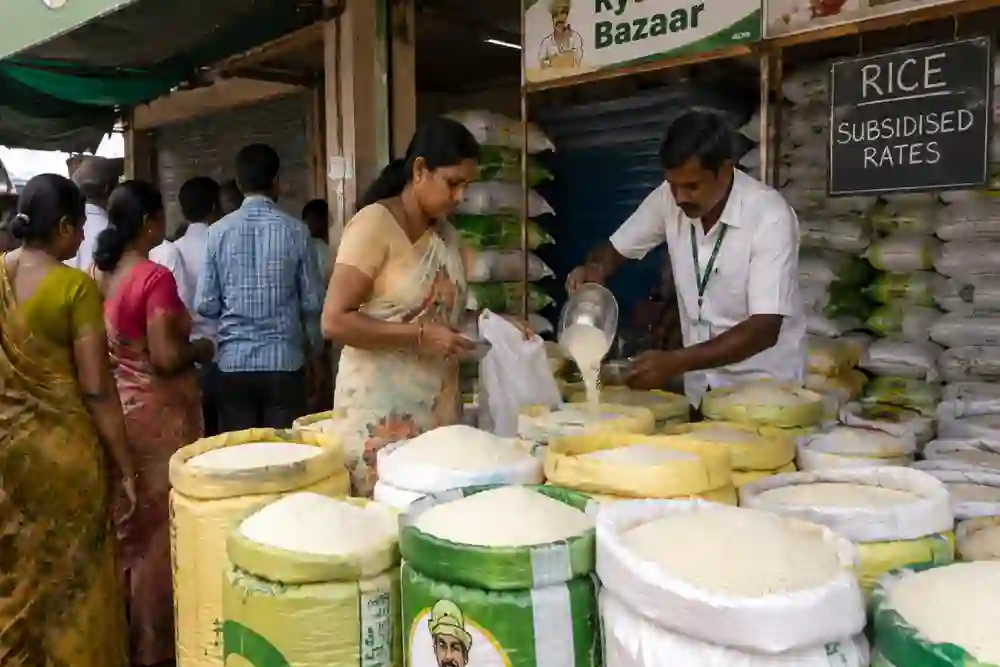
The Andhra Pradesh government has announced that rice will be sold at subsidised rates through Rythu Bazaars in the state from August 1. This move aims to offer relief to consumers amid increasing food prices. The initiative is going to be taken to make essential commodities more affordable, particularly for economically weaker sections.
Under this programme, Rythu Bazaars will act as distribution centres by helping consumers access quality rice at lower prices while decreasing the role of middlemen. The government expects the move to improve food security and support families facing the influencing of increasing household expenses.
Notably, the scheme is part of Andhra Pradesh’s efforts to balance essential commodity prices and ensure wider availability of daily necessities. Rythu Bazaars have previously been used by the state for selling essential items at concessional rates. The Bazaars connects farmers and consumers directly. The latest step is expected to benefit consumers in the state from August onwards.
Rice Prices Reach 10-Month High Amid Weather Concerns
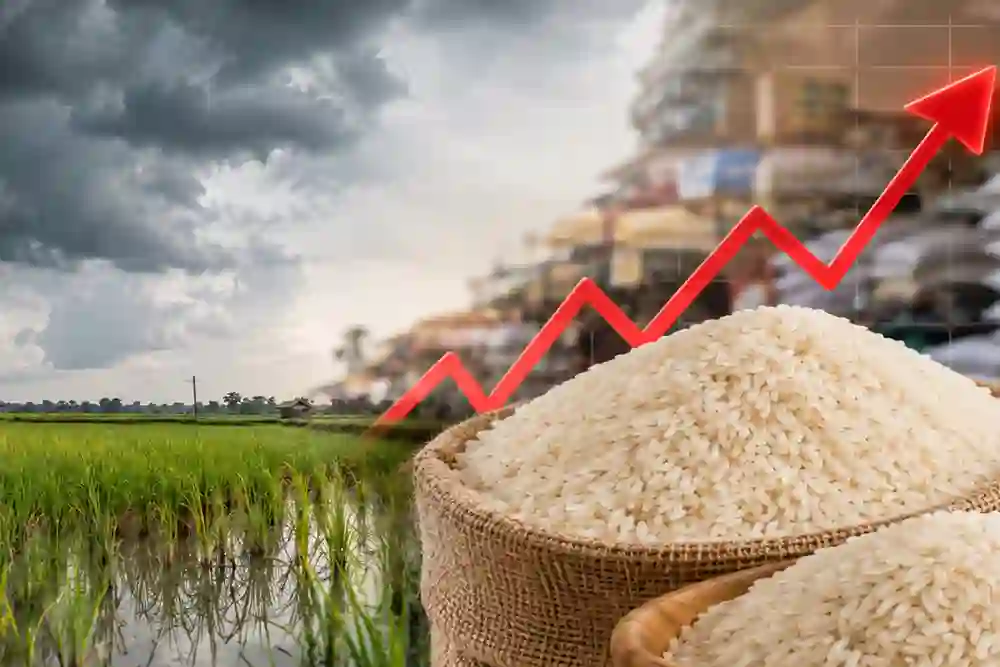
Rice prices in major Asian markets have reached a 10-month high as adverse weather conditions raise concerns over crop supplies. Furthermore, traders have indicated that the limited availability of paddy and the uncertainty surrounding the upcoming harvest season have led to an increase in export prices, resulting in a consistent rise in India's rice rates.
This rise comes amid uneven monsoon rainfall and weather-related risks that create uncertainty among farmers and exporters. In addition, higher procurement costs have contributed to increased offers from exporters, who are adjusting prices amid supply concerns. Significantly, Market participants are closely monitoring weather developments in the major rice-producing regions, as any impact on production could affect global availability and trade flows. Besides this, concerns over future supplies are supporting price gains despite existing stocks in some countries. Not only this, but the latest trend also highlights the sensitivity of rice markets to climate conditions and seasonal production prospects.
Share this article
Article Info
Read Time
3 min read
Published
24 Jul 2026
Author
Megha Bajaj
Category
Rice News