Top Rice News: Indonesia’s 5 New Dams, Bangladesh’s Donation & India’s Revised PDS Rice Norms
Top rice news today highlights some significant developments shaping the global rice sector, from Indonesia’s five new dams expected to boost production by 1 million metric tons, to Bangladesh’s donation of 400 metric tons of rice for Rohingya food assistance. At the same time, India’s revised PDS rice norms aim to improve rice quality for consumers and increase broken rice availability for ethanol production. These updates indicate growing efforts toward food security, agricultural growth, and sustainable resource management across Asia.
Prabowo Says Five New Dams Could Strengthen Indonesia's Rice Output
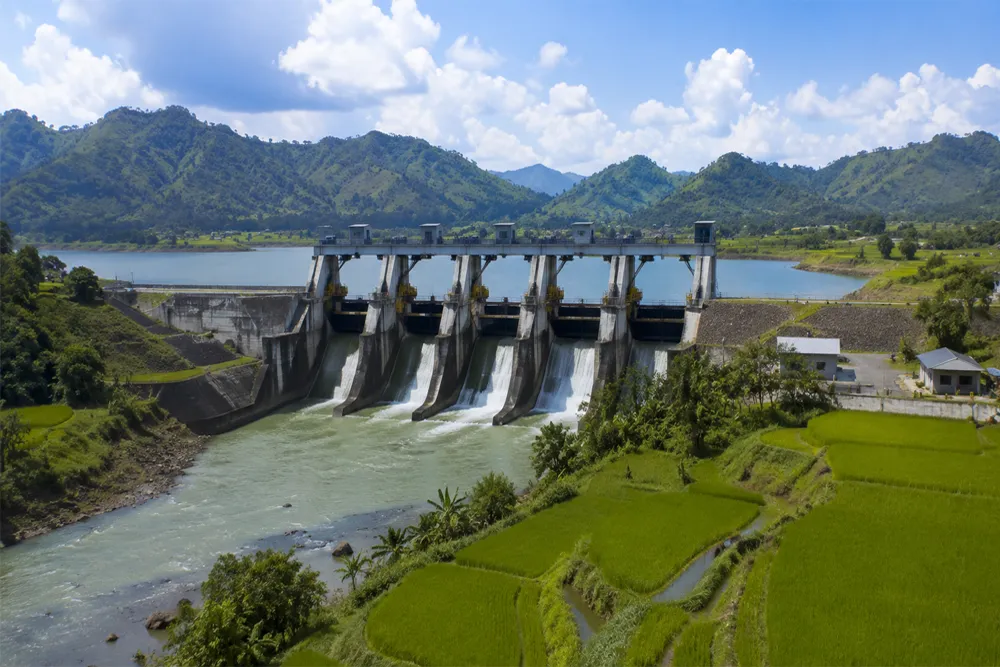
Indonesian President Prabowo Subianto said on Friday that the government expects rice production to rise by up to 1 million metric tons through the addition of five newly inaugurated dams located in Indonesia, citing a report from the Minister of Agriculture. The five dams are Meninting Dam in West Nusa Tenggara, Keureuto Dam and Rukoh Dam in Aceh, Jlantah Dam in Central Java, and Sidan Dam in Bali. The dams are part of a national strategic project worth Rp9.79 trillion (nearly US$540.8 million), with construction having begun under previous administrations.
Not only this, but Prabowo also announced plans to build more dams after generating budget savings in several sectors, including through the implementation of the B50 biodiesel program rolled out on Thursday. President Prabowo said: "These five dams cost Rp9.79 trillion. Through B50, we will save Rp170 trillion. Just imagine how many more dams we could build every year". He appealed to the local communities to safeguard and maintain Meninting Dam, describing it as a state investment aimed at enhancing the welfare and prosperity of nearby residents. He said the same message also applied to communities surrounding the other four dams. Notably, the dam has a storage capacity of 13.14 million cubic meters and a reservoir covering approximately 54 hectares.
Why Bangladesh Donates 400 Metric Tons of Rice to Support Rohingya Food Assistance?
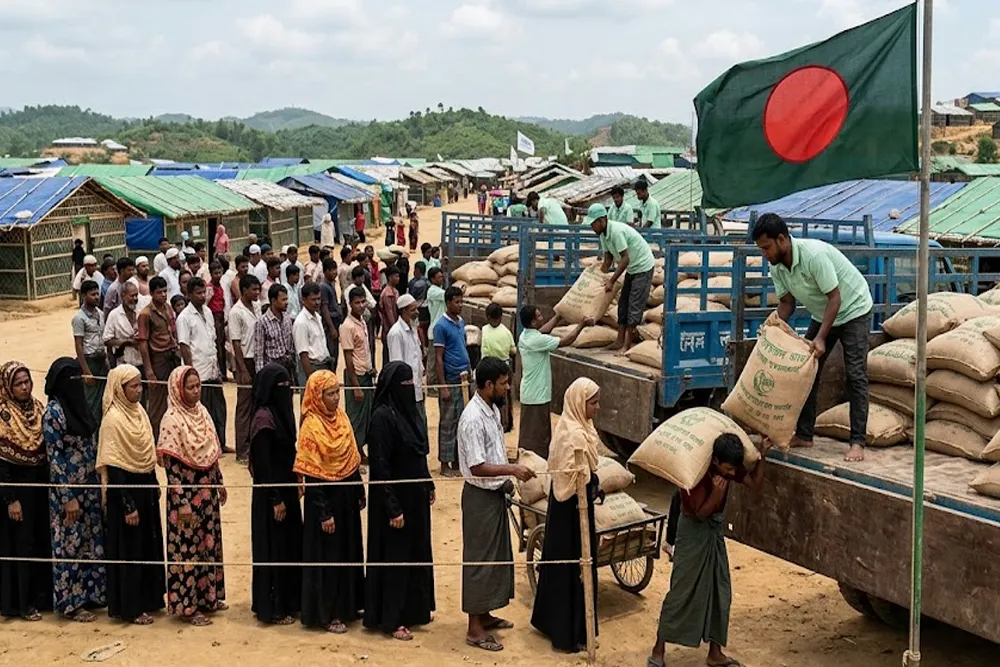
According to the reports, the Bangladesh government is offering 400 metric tonnes of rice to the United Nations World Food Programme (WFP) for food assistance to Rohingyas taking shelter in Cox's Bazar, with the Ministry of Disaster Management and Relief formally handing over 139 metric tonnes of rice in the first phase on Friday.
The handover ceremony was graced by the Secretary of the Ministry of Disaster Management and Relief, Md. Saidur Rahman Khan and WFP Bangladesh Country Director Coco Ushiyama at WFP's Logistics Hub in Ukhiya, where the ceremony was held. Moreover, Additional Secretary of the Refugee Relief and Repatriation Commissioner (RRRC) Mohammad Mizanur Rahman attended the event. Currently, nearly 12 lakh Rohingyas are living in camps in Cox's Bazar and Bhasan Char. Of them, at least 150,000 Rohingyas have newly taken shelter in Bangladesh since the beginning of 2024. Under this first phase of rice assistance, WFP will be able to ensure food support for around 30,000 people for one month. At the event, Secretary Md. Saidur Rahman Khan stated that the WFP's effective and impactful food assistance programme during this crisis deserves appreciation. WFP Country Director said: "WFP sincerely expresses its gratitude to the Government of Bangladesh and the Ministry of Disaster Management and Relief for this timely support."
How India's Revised PDS Rice Norms Expected to Benefit Consumers and Ethanol Industry?
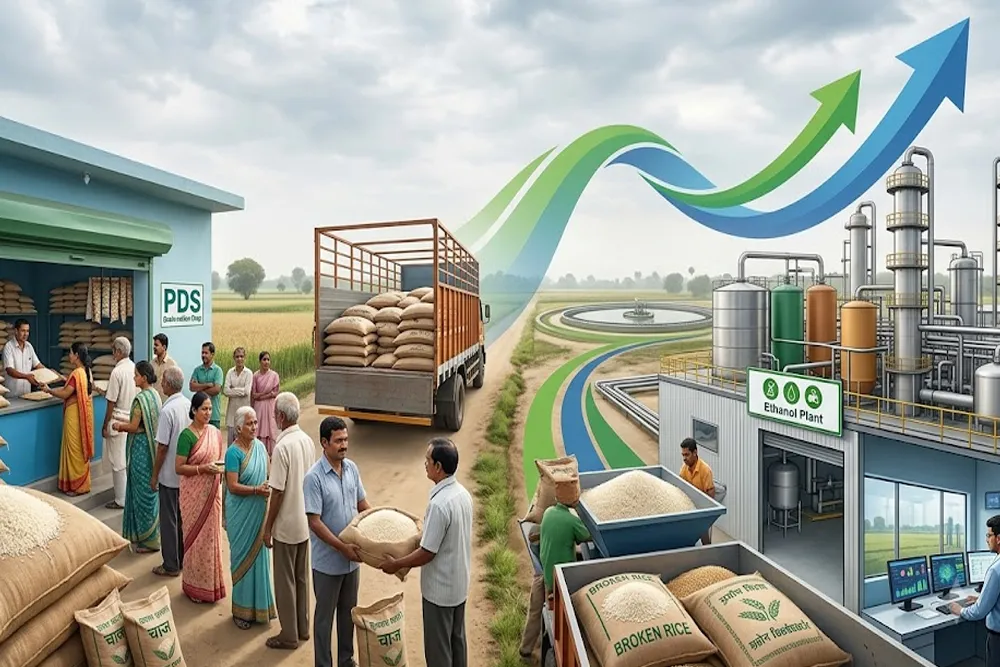
While attending GEMA Ethanol Conclave 2026, Ashwini Srivastava, Joint Secretary, Department of Food & Public Distribution (DFPD), said that the Cabinet decision to revise the quality specifications for rice supplied under the Public Distribution System (PDS) is expected to increase the availability of broken rice for industrial applications, including ethanol production, and enhance the rice quality for beneficiaries. He added that the country’s ethanol blending programme has helped the country in many ways. It has raised farmers’ income, saved foreign exchange, augmented rural income and improved the environment.
Additionally, the programme has helped avoid approximately 930 lakh metric tonnes of carbon dioxide emissions, while strengthening India’s energy security,” he said. He further said about the changing feedstock mix for ethanol production, underscoring that maize has become the single largest source of ethanol supplied to oil marketing companies (OMCs). He cited that the ethanol blending programme has enhanced the economics of the sugar sector by creating an alternative market for surplus sugar and sugarcane. He stated: “The diversion of surplus sugar towards ethanol production has enabled more timely payments to sugarcane farmers, along with reducing the need for government support measures such as buffer stock subsidies and export incentives that were previously used to manage excess sugar production”.
Share this article
Article Info
Read Time
4 min read
Published
11 Jul 2026
Author
Megha Bajaj
Category
Rice News