Top Rice News: India-Iran Rice Trade Defies Sanctions Pressure
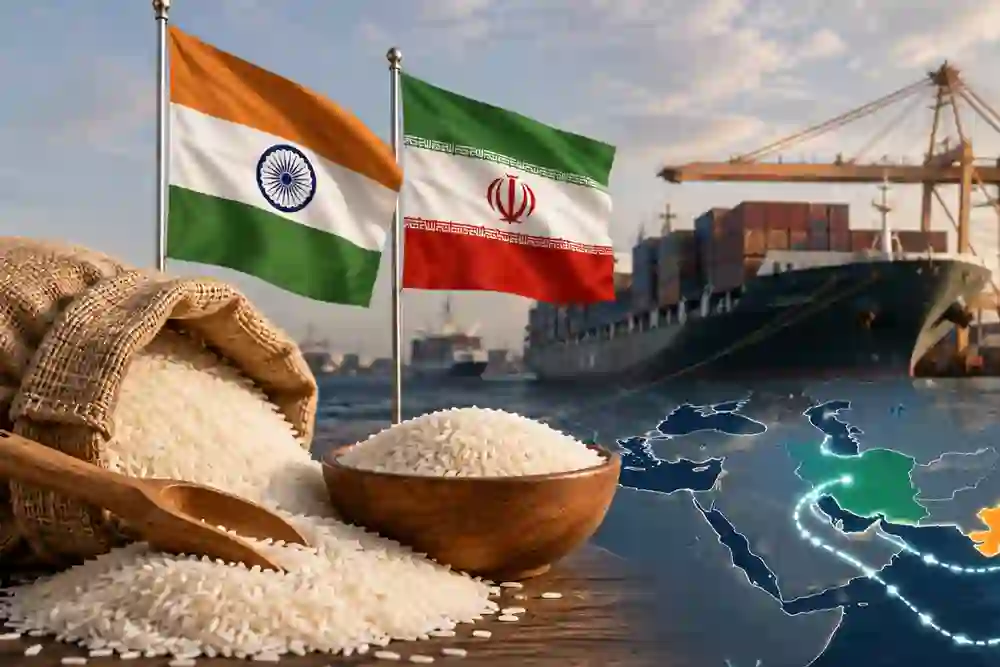
India-Iran Rice Trade Defies Sanctions Pressure. Here’s Why.
India’s rice exports to Iran are showing resilience despite the growing risk of tougher US sanctions. Notably, Iran remains an important market for Indian rice, accounting for nearly two-thirds of India’s $1.25 billion exports to Iran in the financial year ended March. Iran bought more than 1 million tonnes of rice from India last year, up 17% from the previous year.
Indian rice exporters believe the trade can continue since rice is a basic food item and is covered by humanitarian considerations. Also, exporters have managed to keep payments moving through financial channels in countries including the UAE, Germany, China and Turkey, avoiding direct transactions with Iranian banks.
But, the US has recently imposed sanctions on more than 60 entities and warned countries doing business with Iran. Therefore, exporters are seeking government support to protect the trade. For India, continued rice exports could support farmers, exporters and agricultural trade, but payment and shipping risks remain a concern.
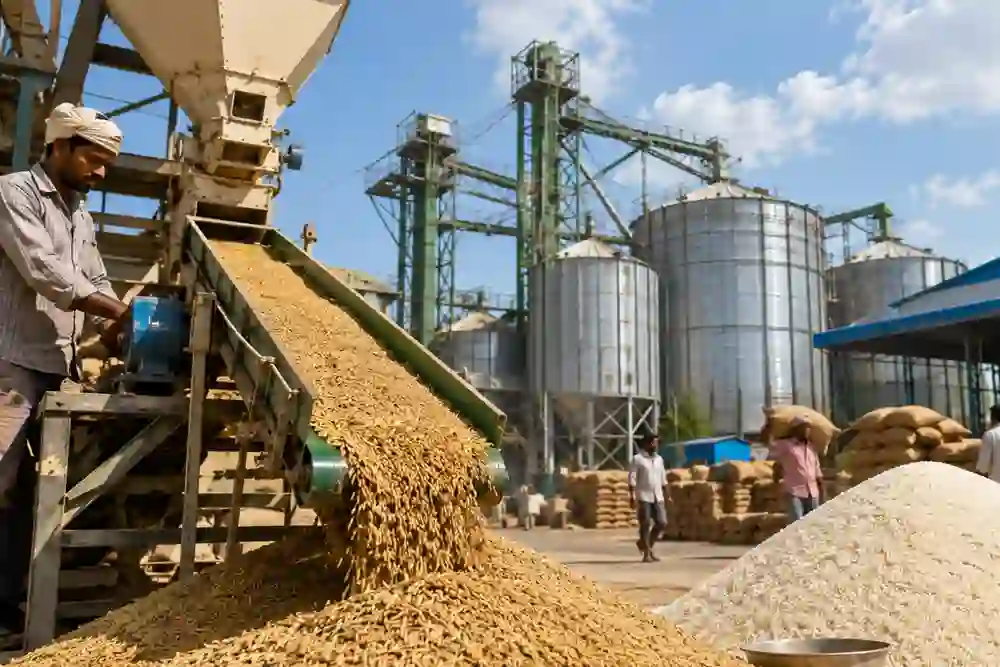
Why Does Telangana Push Rice Mills to Prioritise Raw Rice Processing?
Telangana has instructed its Civil Supplies Department to prioritise raw rice processing and deliveries, in line with the requirements of the Food Corporation of India (FCI). The decision comes as national demand for raw rice is currently higher than demand for boiled rice.
Civil Supplies Commissioner M. Stephen Raveendra instructed district officials to hold meetings with rice millers and ensure that pending raw rice deliveries are cleared immediately. Moreover, officials have been told to closely monitor delays and ensure that millers meet their delivery commitments. Notably, the move aims to align Telangana’s rice processing with the Centre’s requirements and ensure sufficient supplies for the national food distribution system.
For farmers and rice millers, the shift could encourage greater focus on paddy varieties suitable for raw rice processing. For consumers, the immediate impact is expected to be limited, but smoother processing and deliveries could help maintain stable rice supplies. Broadly speaking, Telangana is adjusting its rice milling operations to match changing national demand and FCI requirements.
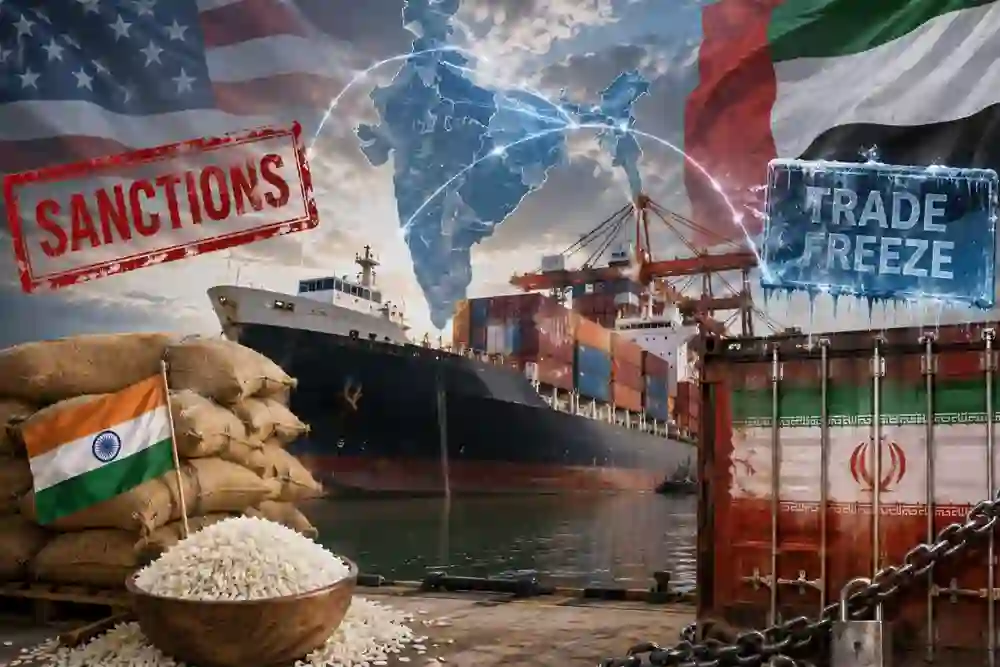
US Sanctions, UAE Trade Freeze Threaten India’s Rice Exports to Iran
According to reports, planned US sanctions on Iran, combined with the UAE’s suspension of trade and financial transactions with Tehran, could disrupt Indian exports of rice, tea and pharmaceuticals to Iran. Indian exporters have traditionally depended on Dubai as a major route for payments and trade settlements. Any prolonged disruption could hurt India’s basmati rice industry, especially millers and exporters in northern India. India exported rice worth $383.11 million to Iran during the first half of 2026, making Iran its second-largest overseas market for premium rice. However, basmati exports fell nearly 62% year-on-year between April and June. Exporters are considering alternative payment jurisdictions, including Turkey, if UAE-based transactions remain restricted. The closure of the Strait of Hormuz and shipping difficulties have already added pressure. The biggest concern is that UAE-based buyers may struggle to process payments, creating further uncertainty for Indian exporters and potentially worsening the decline in basmati exports.
Share this article
Article Info
Read Time
3 min read
Published
26 Aug 2026
Author
Megha Bajaj
Category
Rice News