Top Rice News: EU Rejections, Telangana's Broken Rice & Assam's Wild Site
Here are the latest top rice news updates from global rice sector. Bangladesh plans to import 50,000 metric tonnes of rice from Pakistan under a government-to-government deal, while Pakistani rice faces rejection in the European Union due to pesticide residue. In India, Telangana’s minister ordered replacement of broken rice in residential schools with superfine-quality grains after inspection concerns. At the same time, Assam’s 0.41-hectare wetland in Sonitpur has been declared a Biodiversity Heritage Site, protecting wild rice species Oryza rufipogon, an ancestor of cultivated rice vital for food security and biodiversity conservation efforts.
EU rejects Pakistani rice Whereas Bangladesh accepts-Here’s Why
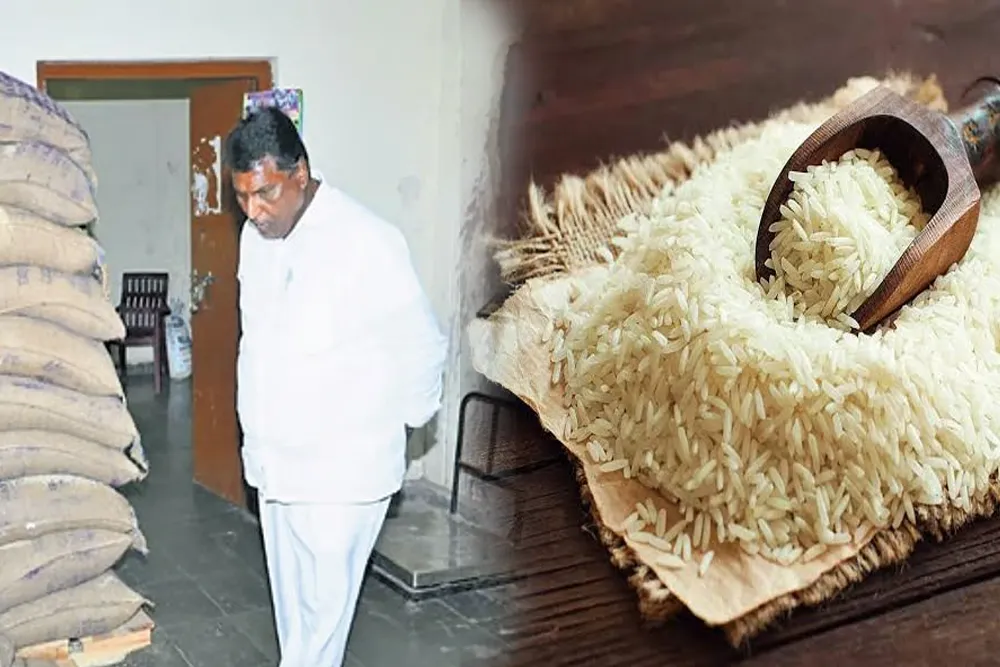
According to reports, Bangladesh is planning to import 50,000 metric tonnes of rice from Pakistan using a government-to-government agreement, as the officials are expected to sign this deal during the first week of July to build public food stocks and stabilise domestic prices. But these planned rice imports have been rejected by the European Union due to food safety standards. The most common reason behind these rejections has been the detection of pesticide residues above the EU's Maximum Residue Limits (MRLs). The EU maintains some of the strictest pesticide regulations in the world to protect. Moreover, European authorities have rejected some Pakistani rice shipments due to documentation issues, traceability failures, improper labelling, or non-compliance with sanitary and phytosanitary regulations. Exporters must clearly demonstrate the origin of food products, maintain detailed production records, and certify compliance with food safety requirements under EU laws. Unable to satisfy these administrative requirements can result in shipments being blocked even if laboratory results do not reveal significant contamination.
Telangana minister orders replacement of broken rice in residential schools
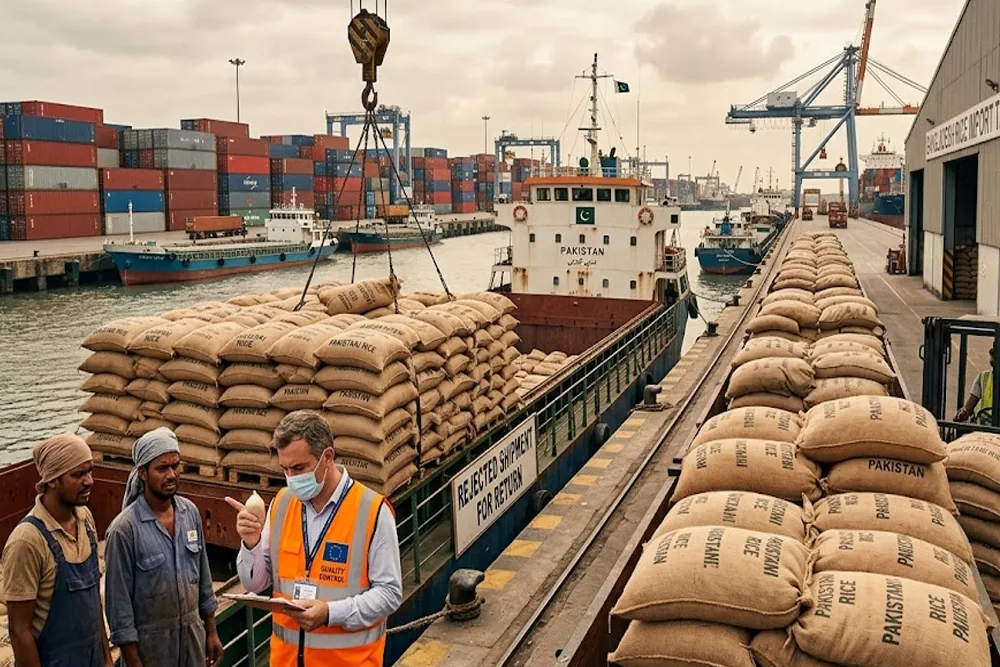
On Tuesday, July 2, SC Development and Tribal Welfare Minister Adluri Laxman Kumar expressed serious concern over the supply of broken rice to residential schools and instructed officials to replace it immediately with superfine-quality grains. During a surprise inspection at the Social Welfare Residential School in Mallapur village of Dharmaram mandal, the minister reviewed the breakfast and lunch served to students. He inspected the kitchen, dining hall and storeroom, where he found a high percentage of broken rice in stock. Moreover, the minister directed the district civil supplies officer to return the existing stock and ensure the supply of superfine rice without delay. Also, he asked the teachers to maintain discipline and provide quality education, citing that they should sustain the growing trust of parents in these institutions.
Assam’s wild rice habitat earns National Biodiversity Heritage Site status
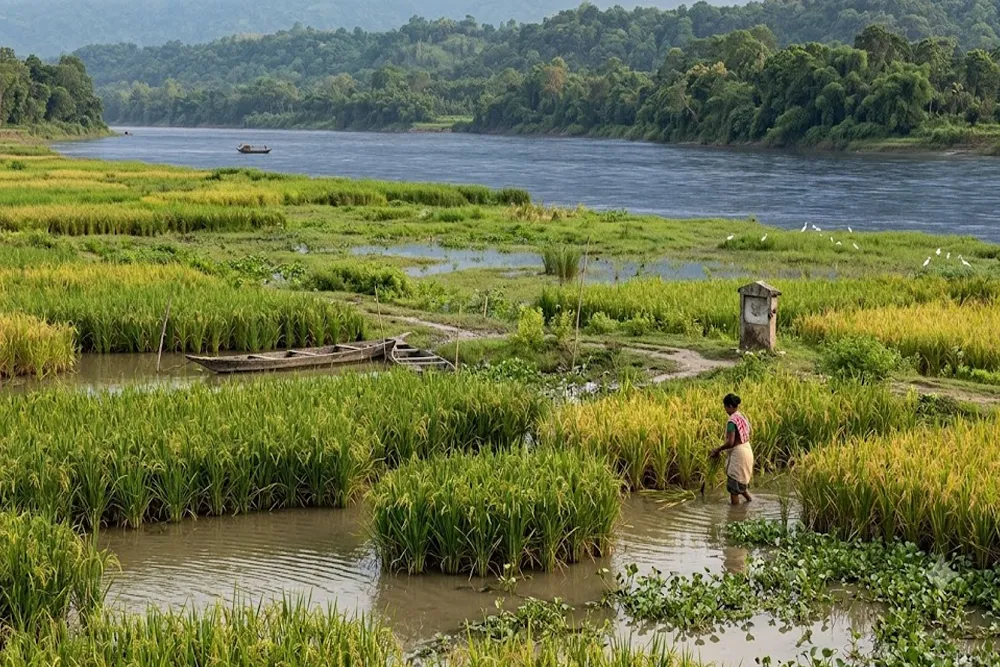
A 0.41-hectare wetland in Assam's Sonitpur district has been declared a national biodiversity conservation site. The wetland is actually home to the wild ancestor of cultivated rice. This move highlights the state's growing importance in protecting crop diversity which is vital to future food security.
The site is located in Borjuli village. It harbours a viable population of Oryza rufipogon-the wild progenitor of cultivated rice (Oryza sativa). It has been notified as a biodiversity heritage site by the National Biodiversity Authority, under an in-situ conservation project which is funded by the National Rainfed Area Authority (NRAA) and implemented by the ICAR-National Bureau of Plant Genetic Resources (ICAR-NBPGR), in collaboration with the Assam State Biodiversity Board. The site is considered unique due to the richness of its Oryza rufipogon population. But, the habitat and the species remain vulnerable to climate change and human activities. Notably, Oryza rufipogon is among the most extensively studied wild rice species. A perennial plant, it is commonly found in marshes and other aquatic habitats across eastern and southern Asia.
Share this article
Article Info
Read Time
3 min read
Published
3 Jul 2026
Author
Megha Bajaj
Category
Rice News