Top Rice News: Myanmar, Bangladesh & Japan Updates

Top rice news today highlights Myanmar's upcoming power technology seminar for rice mills, Bangladesh's rising food prices due to relentless heavy rainfall, and Japan's innovative restoration of abandoned rice fields into biodiversity-rich wetlands. Notably, these developments highlight key trends in energy efficiency, food supply challenges, and sustainable land management, offering valuable insights into the evolving global rice sector and its environmental and economic outlook.
Myanmar Rice Federation to Hold Power Technology Seminar. Here’s Why ?

The Myanmar Rice Federation (MRF) is going to organize a seminar on electric power technology for rice mills on 25 July at the Union of Myanmar Federation of Chambers of Commerce and Industry (UMFCCI). Notably, the event aims to help rice mill operators and rice product manufacturers enhance energy efficiency along with promoting safer and more cost-effective electricity use. Moreover, discussions will cover practical approaches to reducing energy consumption, improving electrical safety standards, and adopting energy-saving technologies suitable for rice milling operations. As energy costs continue to affect production expenses, the seminar is expected to offer valuable insights into optimizing power usage without compromising productivity. Also, it will offer participants an opportunity to learn about modern electrical solutions that can support sustainable and efficient rice processing. In addition, the Myanmar Rice Federation has invited rice mill owners, processors, and the interested stakeholders to register in advance to attend the seminar and benefit from expert guidance on energy management and technological enhancements in the rice milling sector.
How Relentless Rain Drives Up Prices of Vegetables, Eggs, Rice & Fish in Dhaka, Bangladesh?

According to reports, relentless heavy rainfall in Dhaka has disturbed the food supply chains, which driving up the prices of essential commodities, such as vegetables, eggs, rice, and fish.
According to the market surveys of Karwan Bazar, New Market, and Hatirpool, the most staple food items were selling at significantly higher prices than just a week earlier. Traders found that the increases to reduced arrivals of fresh produce and other goods as persistent rain and localized flooding obstructed transportation from production areas to wholesale and retail markets. Moreover, the supply disruptions have limited product availability, placing upward pressure on prices and affecting both vendors and consumers. Even, households are facing higher food expenses at a time when essential commodities remain a significant component of daily spending. Broadly speaking, the continued rainfall has also raised concerns related to the stability of food supplies if adverse weather conditions persist. In addition, market observers note that unless transportation and distribution networks enhance, consumers in Dhaka may continue to experience elevated prices for major food items in the upcoming days and weeks.
Will Japan’s New initiative to restore Abandoned Rice Fields work?
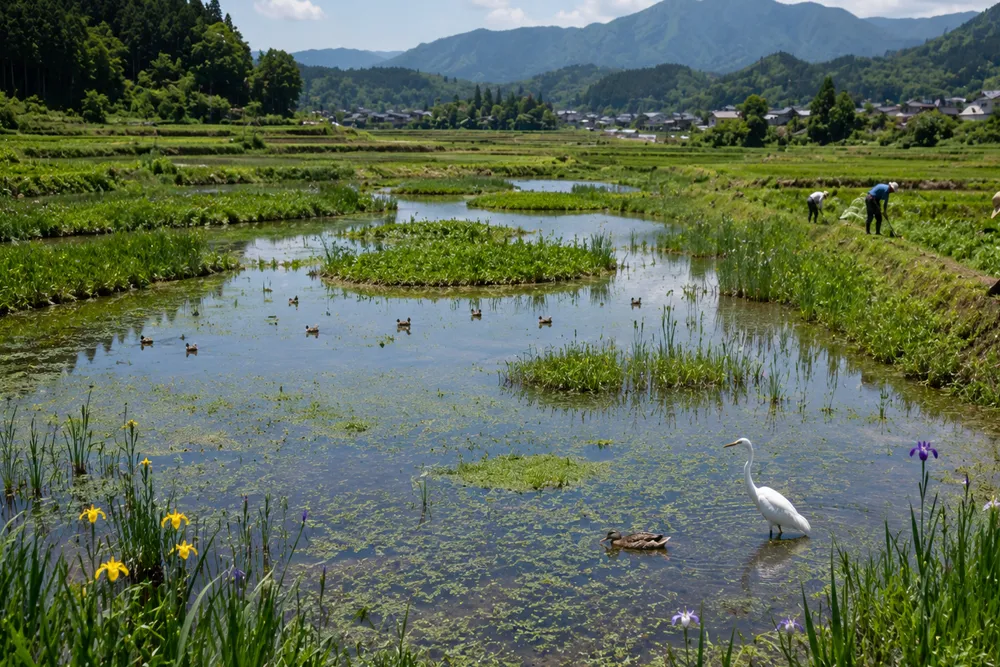
Recently, Japan is restoring abandoned rice fields and transforming them into permanent wetlands as part of a broader effort to revive biodiversity, enhance water management, and boost ecosystem resilience. Instead of leaving unused farmland idle, conservation initiatives are transforming former paddy fields into year-round wetlands that provide habitat for a wide range of native plants and animals. Moreover, the restored wetlands are supporting the return of frogs, dragonflies, and several endangered aquatic species. This move highlights their value in rebuilding local ecosystems. In addition, the wetlands help in replenishing groundwater, enhance water retention, and reduce the effects of drought by storing water naturally within the landscape. Also, the initiative demonstrates how repurposing abandoned agricultural land can generate long-term environmental benefits along with supporting sustainable land management. As rural depopulation and farmland abandonment continue in parts of Japan, the project provides a practical model for balancing conservation with climate adaptation, showing how ecological restoration can improve both biodiversity and the resilience of natural water systems for future generations.
Share this article
Article Info
Read Time
4 min read
Published
18 Jul 2026
Author
Megha Bajaj
Category
Rice News