Surplus Stocks, Israel-Iran War Threaten India’s Rice Export Prospects: IREF Vice President Dev Garg
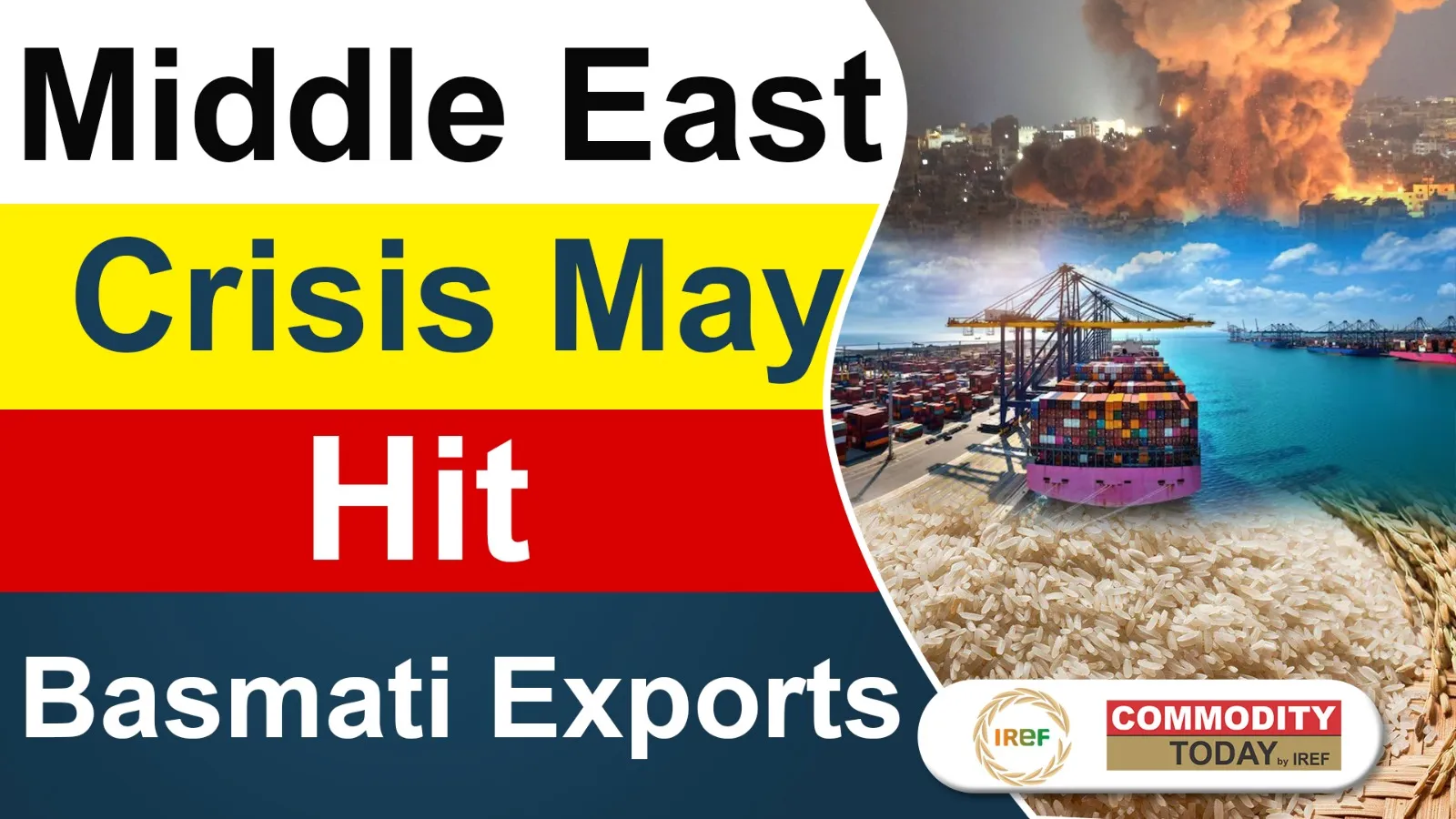
Dev Garg, Vice President, Indian Rice Exporters Federation (IREF) in an interaction with CNBC Awaaz shared his insights on the market dynamics and alarming situation of both basmati and non-basmati rice exports due to Israel-Iran war. Dev Garg, Vice President, Indian Rice Exporters Federation (IREF) stressed on the issues the Indian Rice Industry is facing amidst a 13% rise in paddy sowing (figures as of June 13) compared to last year.
“The 13% increase in sowing was anticipated,” said Garg, attributing it largely to a shift by farmers from basmati to non-basmati paddy varieties such as IR-64 and PR-106. He explained that this shift is driven by falling basmati prices—dropping from ₹51/kg to ₹45/kg—amid the ongoing Iran-Israel conflict, and the government’s consistent push for non-basmati rice through MSP (Minimum Support Price) hikes.
Dev Garg further added that the time session between May to July is crucial for paddy farmers as they decide which crop to sow. “Due to the drop in basmati paddy prices and the government’s subsidy support for non-basmati, farmers are opting for the latter,”.
Addressing the surplus situation of stock, Garg stated, “India currently has a surplus stock of 280 to 300 lakh metric tons of rice, which is expected to rise to 400 lakh metric tons in the upcoming season. This is a deeply concerning scenario for the entire industry.” Adding more fuel to the fire, the Iran-Israel conflict has further escalated it. “This Israel-Iran war has created panic and uncertainty in both the basmati and non-basmati sectors,” Garg said.
Decline in Exports Due to Israel-Iran War
Vice President of Indian Rice Exporters Federation, Dev Garg highlighted on the rice exporting figure of previous year. India exported ₹7,600 crore worth of rice to Iran last year—including 10.32 lakh metric tons of basmati rice, however due to ongoing tensions exports have seen a dramatic decline. This dramatic decline reflects a 70% shortfall compared to last year.
Delayed payments is also one of the major concerns among exporters, as per the data revealed by Dev Garg, around ₹1,300 crore of payments are stuck in Iran. Even though importers have given verbal assurance of payment, Garg stressed that the worsening tensions may lead to delayed payments even though importers are willing to pay.
Share this article
Article Info
Read Time
2 min read
Published
23 Jun 2025
Author
Megha Bajaj
Category
News