Rising Floods Intimidate Global Rice Yields: Country Is At High Risk
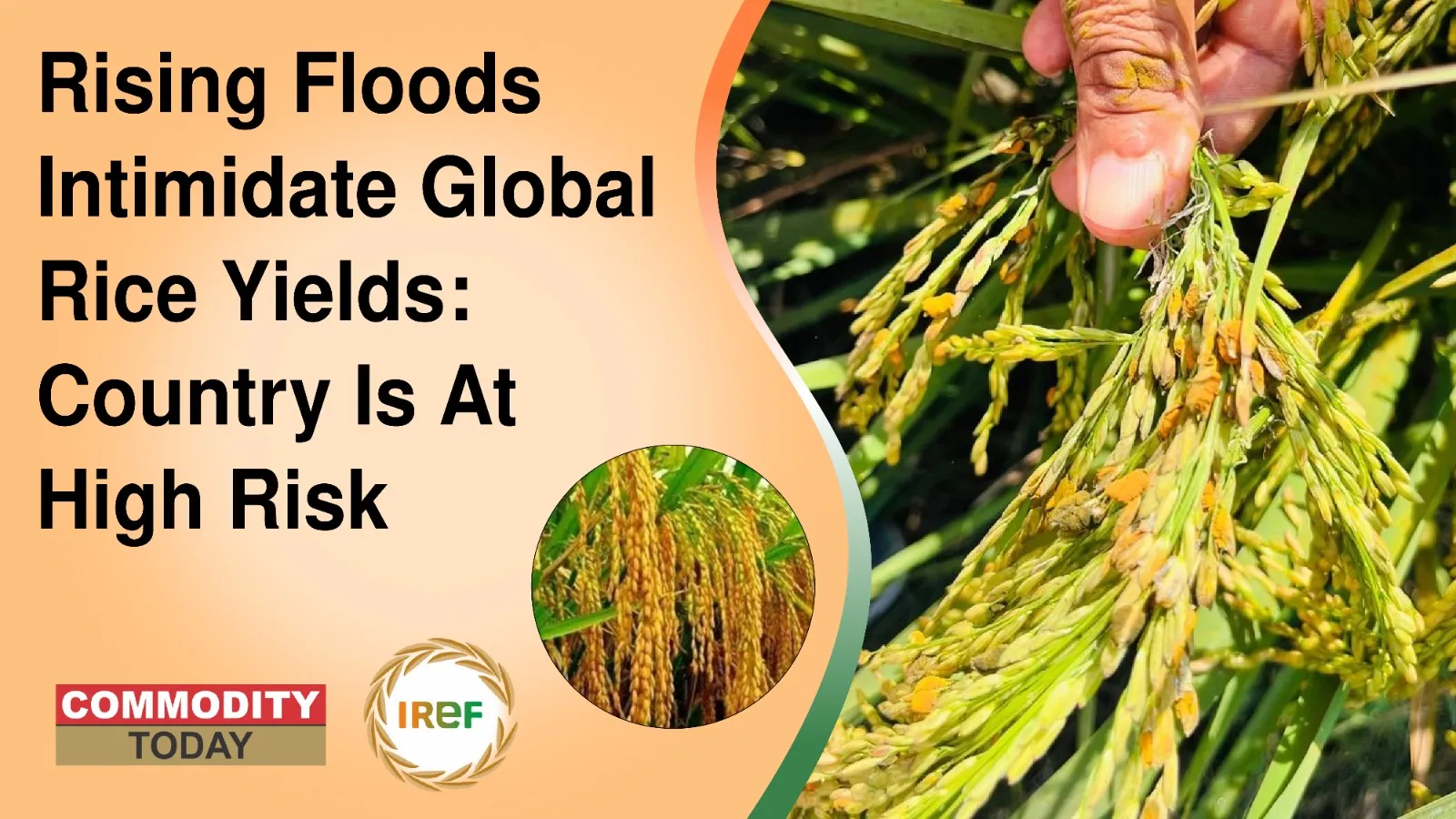
Rising Floods have intimidated global rice yields in recent decades, posing a danger to food security for billions who rely on this staple crop. According to a Stanford University study published in Science Advances. Earlier, scientists and farmers have warned about the drought, but now this new research draws attention to the other side, which is too much water.
Rice crops are submerged due to the rising floods
This new study found that rice crops submerged for a full week could die due to rising floods; not only this, but we can also take Climate Change as the reason. These events are like to exacerbate as climate change impacts heavy rainfall patterns. After analyzing the data on rice growth stages, past weather events, and soil moisture, the researchers illustrated that the most serious week of rainfall in key basins could bring up to 13 percent more rain in the upcoming decades than what was typical between 1980 and 2015. It instantly triggers danger for farmers who have little room for error.
India’s Sabarmati Basin witnessing the longest rice-destroying floods
The study underscores regions such as India’s Sabarmati Basin, primarily in Gujarat and Rajasthan, witnessing some of the longest rice-destroying floods, as key areas for adopting these resilient strains. Moreover, Parts of East Asia, Southeast Asia, and South Asia, including West Bengal in India, are at high risk. When it comes to India, this research emerges at a critical time. Climate change is already affecting the country’s agriculture. Besides this, a recent study suggested that heat stress can also reduce agricultural yields by 15-20 percent.
Rising Floods are turning into a climate threat; they have not remained a seasonal risk for rice growers. The initial step is to understand how and when rice loses out. The next one is helping farmers stay one step ahead, whether by planting water-tolerant rice, diversifying crops, or adapting to more temporary weather. Resilience is essential.
Read More News:
- Rising Floods Intimidate Global Rice Yields: Country Is At High Risk
- Japan Rice Prices Hits Record High Since Gov’t Release Eased
- Chhattisgarh rolled out paddy procurement season with expanded digital oversight
- Indian Spices, Tea Exporters Get Relief As Trump Reduces Tariffs
- Rice Mills Call for Action as Thai Rice Prices Deteriorate
Share this article
Article Info
Read Time
2 min read
Published
18 Nov 2025
Author
Megha Bajaj
Category
News