From Indonesia’s Rice Self-Sufficiency Drive to Stable Retail Prices in the Philippines: Today’s Top Rice News
From Indonesia’s Rice Self-Sufficiency Drive to Stable Retail Prices in the Philippines: Today’s Top Rice News
Indonesia Applauds Victory in Rice Self-Sufficiency
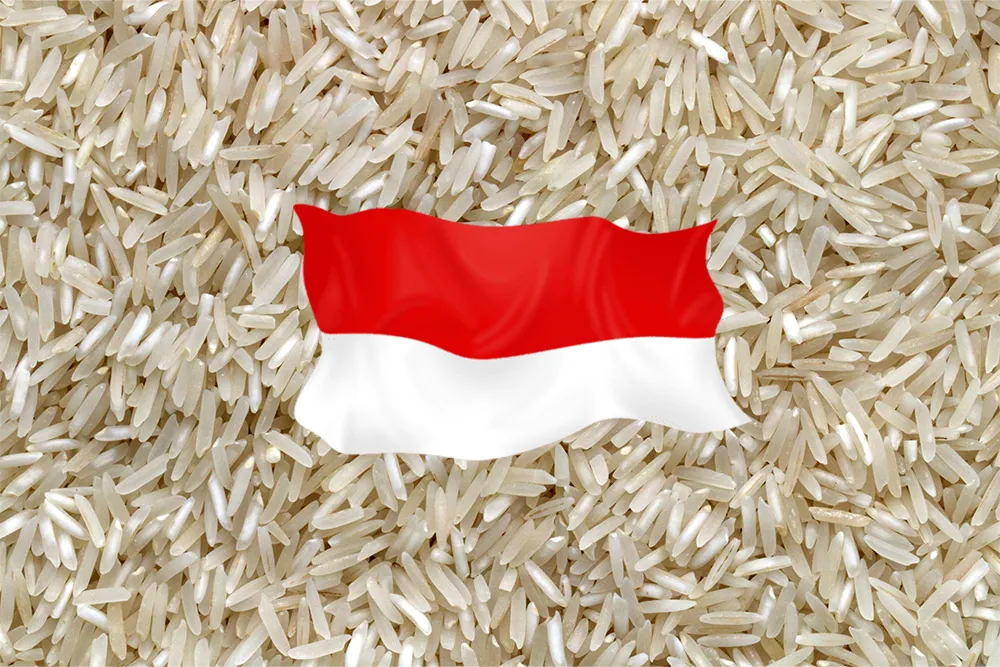
President Prabowo Subianto declared that Indonesia has achieved rice self-sufficiency in 2025, fulfilling all domestic demand just over a year after he took office. Rice production climbed to 34.71 million tonnes, surpassing national consumption needs, along with no rice imports required during the year. Undoubtedly, the achievement was triggered by increased farmer subsidies and regulatory reforms. It meets the target of the key campaign and marks Indonesia’s first rice self-sufficiency since 2008.
Pak PM Directs Export Roadmap To Boost Exports

Pakistan Prime Minister Shehbaz Sharif has ordered officials to develop a detailed roadmap to boost exports along with a strong focus on increasing rice and other agricultural exports. Stressing export led-growth and reduction of the trade deficit, he called for faster institutional reforms, timely tax refunds for exporters and closer coordination with the Rice Exporters Association of Pakistan. Not only this, the government is targeting expansion in value-added sectors, enhancing logistics and ports, and pursuing government-to- government agreements to enhance rice exports.
Philippine Department Of Agriculture Witness No Drastic Rise In Retail Prices Amid Impending Hike In Tariff
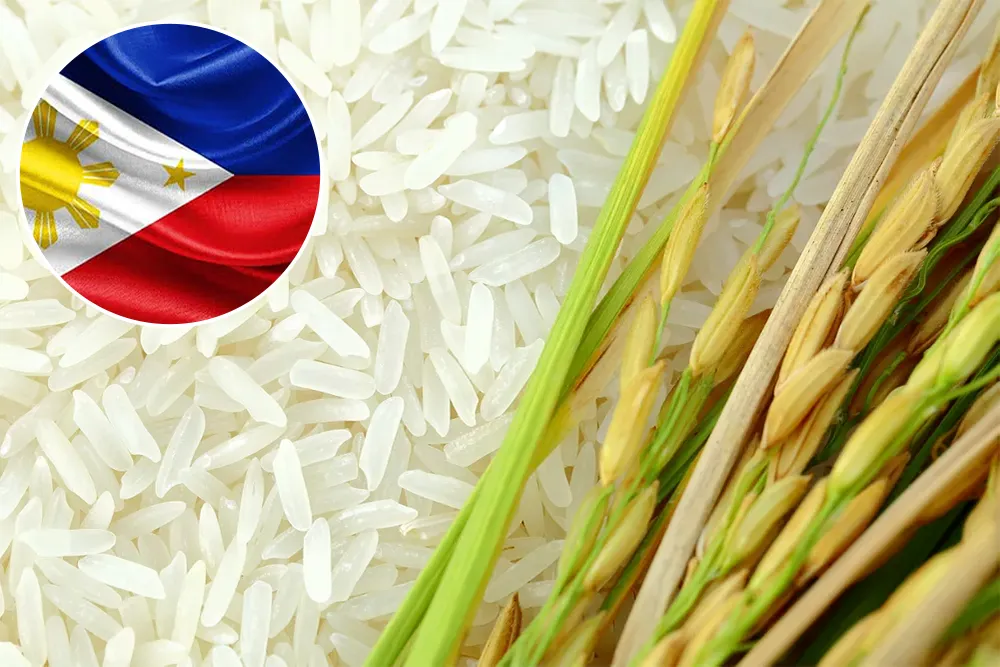
The Philippine Department of Agriculture stated retail prices are unlikely to rise sharply despite an increase in rice import duties to 20% starting January 16, 2025. Strong local production and higher rice inventories helped stabilize supply even during a four-month import ban in late 2025. The country anticipates to import less than four million metric tons of rice this year with record- high palay production projected at 20.3 million metric tons of rice this year, helping keep prices stable while supporting local farmers.
Share this article
Article Info
Read Time
2 min read
Published
9 Jan 2026
Author
Megha Bajaj
Category
News