Heaviest Rains in 300 Years Trigger Widespread Flood Disaster Across Southeast Asia
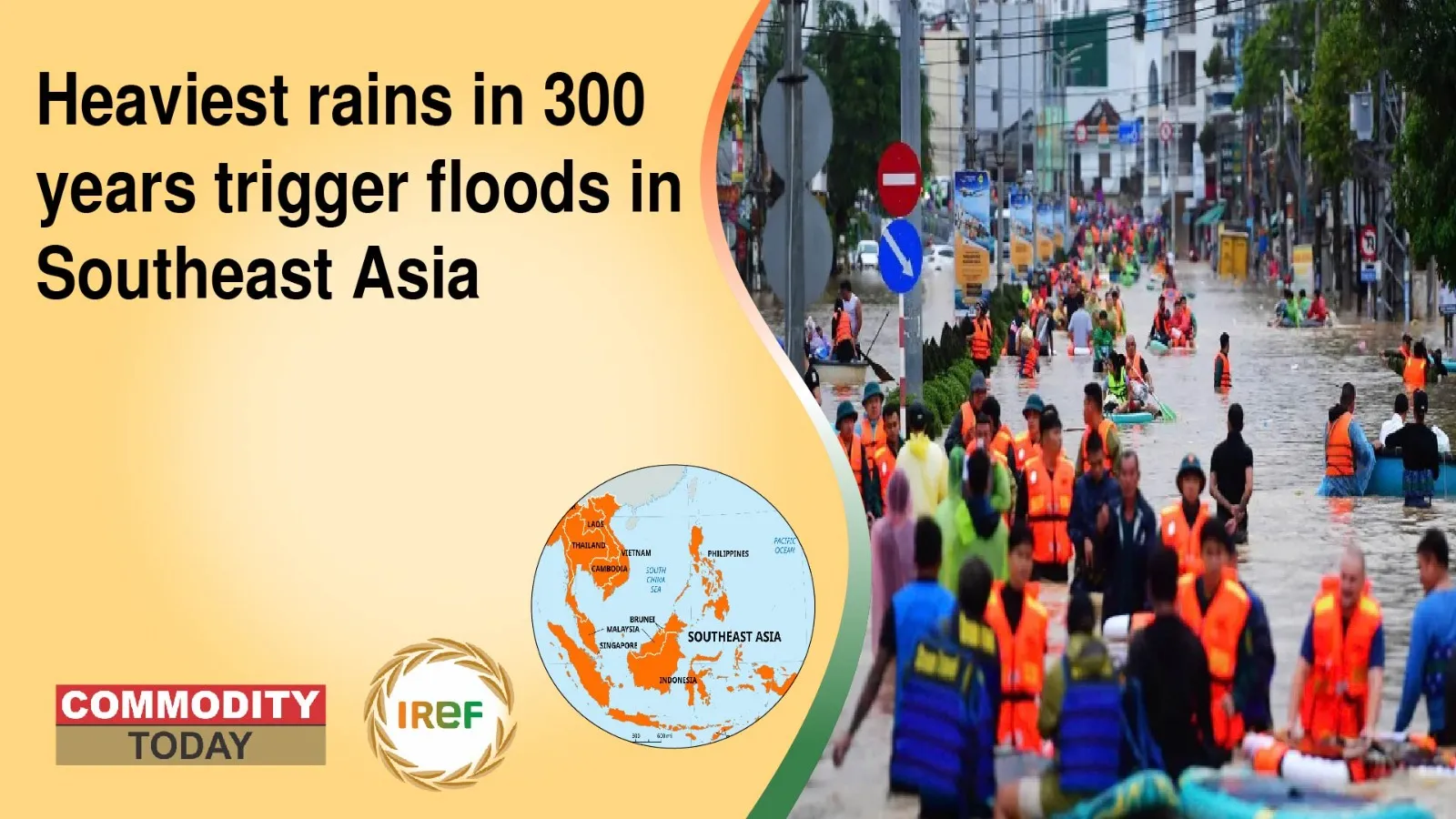
Flood disaster has struck large parts of Southeast Asia as ‘once-in-300-years’storm brings relentless rainfall, leaving Thailand, Vietnam, Malaysia, and Indonesia reeling from widespread devastation, rising fatalities, and mass displacement. However, Thailand among these has been hit hardest, with floods leading to death of at least 33 people and causing widespread devastation to over 2 million residents across 10 southern provinces. Resuce operations are underway, however many are feared missing and are untraceable till the time of writing news. Hat Yai, city in Thailand, a major commercial hub near the Malaysian border, recorded 335 mm of rain in a single day — the heaviest in 300 years. However, as per the latest updates at the time of writing news, water levels in Hat Yai are reportedly decreasing as the situation begins to improve. Efforts are underway to accelerate drainage and mitigate the impact of Thailand floods.
Flood Disaster Batters Countries Across Southeast Asia
Relentless rains and climate crisis have also ravaged neighbouring countries, with Vietnam reporting 98 deaths in a week, whereas Malaysia floods have forced more than 19,000 people to stay out of their homes. In Indonesia, at least 19 people have been killed and at least seven others remained buried under landslides in North Sumatra, according to the Indonesian National Search and Rescue Agency. More than 2 million people in Thailand have been affected by the floods, but just 13,000 have been moved to shelters.
Experts Claim Climate Change Is the Main Reason Behind the Deadliest Floods
Like usual scientists have blamed climate change as the main culprit behind ‘once-in-300-years’ Flood Disaster. Scientists, in this context, have long warned that heavy rains or tropical storms events like the catastrophic Southeast Asian floods are becoming more frequent and intense due to climate change.
As global temperatures rise, the atmosphere is able to hold significantly more moisture — about seven per cent more for every 1°C of warming — creating conditions for extreme weather changes or sudden, record-breaking cloudbursts. The IPCC notes that South and Southeast Asia are particularly vulnerable because warming oceans intensify monsoon dynamics, increase evaporation, and fuel slow-moving, moisture-laden storms that dump unprecedented volumes of rain in concentrated bursts.
Read More News:
- Heaviest Rains in 300 Years Trigger Widespread Flood Disaster Across Southeast Asia
- Centre Allocates 22 LMT Sugar Quota for December 2025
- India’s Rice Production 2025-26 Kharif Season Reached A Record 124.5 MT
- Shehbaz Sharif Abolishes Export Surcharge as Pakistan Tries to Mirror Global Competitiveness Trends
- Kerala Lauds Punjab’s New Agriculture Policy, Urges Government To Implement It Soon
- Indonesian Govt. Opens Probe After Illegal Rice Import
- Flood Affected Farmers in Haryana to Receive Compensation for Crop Damage
- Landlocked States to Receive Focused Support under Export Promotion Mission
- India Races to Shield Exporters as US Tariffs Hit Hard
- Canada India Close to Seal Uranium Deal worth $2.8 billion
Share this article
Article Info
Read Time
3 min read
Published
27 Nov 2025
Author
Megha Bajaj
Category
News