Govt. Introduces New BIS Standard For Incense Sticks To Improve Consumer Safety
Govt. Introduces New BIS Standard For Incense Sticks To Improve Consumer Safety
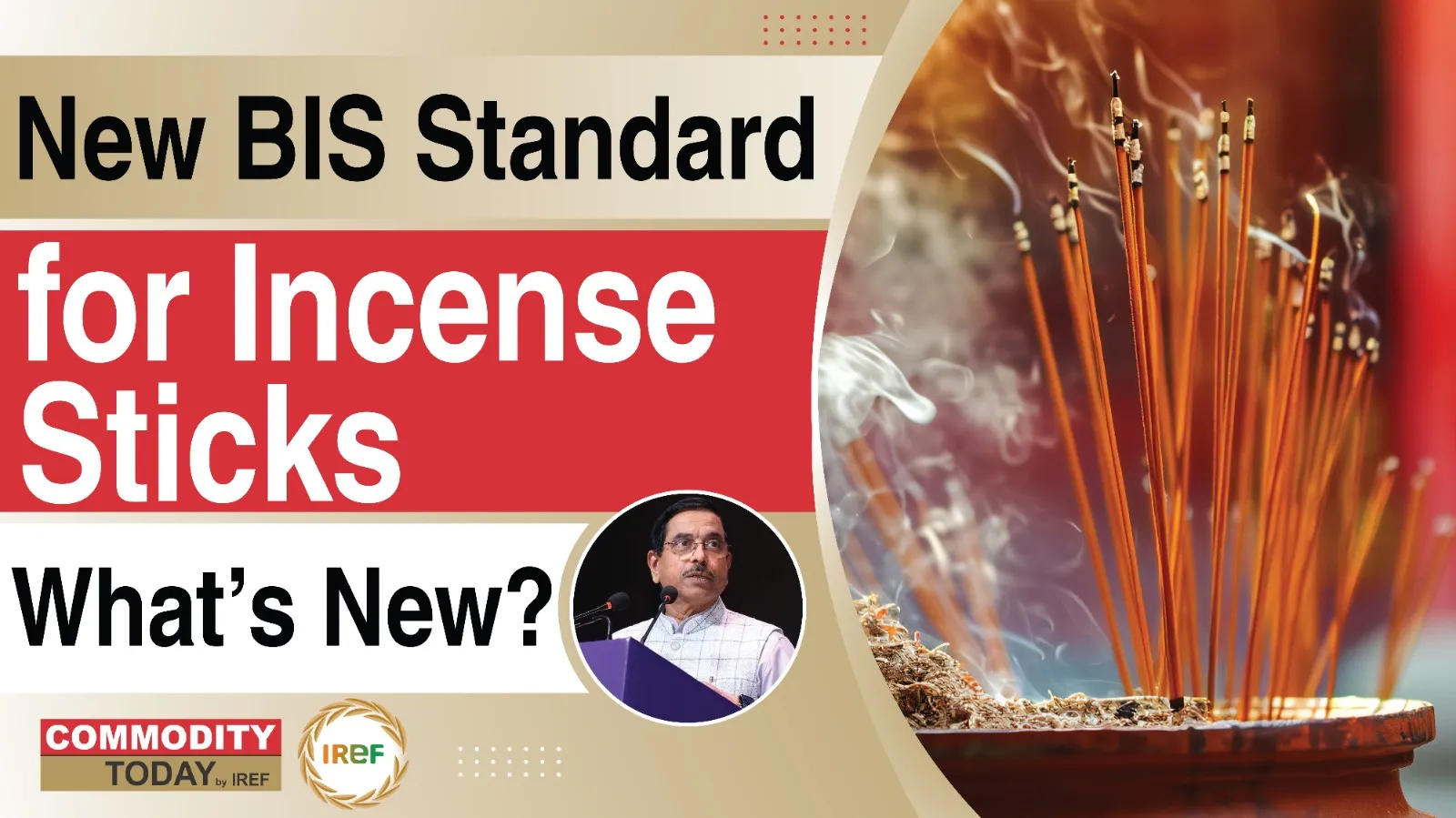
On Friday, December 26, the government set a new BIS Standard for incense sticks (agarbatti) to improve consumer safety, indoor air quality, environmental sustainability and regulatory compliance. Union Minister for Consumer Affairs, Pralhad Joshi, set IS 19412:2025–Incense Sticks (Agarbatti) Specification, on the occasion of National Consumer Day 2025 here.
According to the newly-notified BIS Standard, the prohibited use of certain insecticidal chemicals and synthetic fragrance substances in agarbattis may give risks to human health, indoor air quality and the environment. Notably, India is the world’s largest incense sticks producer and incense sticks exporter, with the industry estimated at around Rs 8,000 crore annually and incense stick exports of about Rs 1,200 crore to more than 150 countries. Interestingly, incense stick sector supports a large ecosystem of artisans, MSMEs and micro-entrepreneurs, especially in rural and semi-urban areas, and provides major employment opportunities, particularly for women. IS 19412:2025 specifies a list of substances prohibited for use in agarbattis. According to the list, certain insecticidal chemicals such as alethrin, permethrin, cypermethrin, deltamethrin, and fipronil, and synthetic fragrance intermediates like benzyl cyanide, ethyl acrylate, and diphenylamine. Furthermore, various substances are restricted or banned internationally due to their potential influence on human health, indoor air quality, and ecological safety.
Most Readable News:
- Indonesia To Halt Rice Imports Next Year
- What is GI Tag? Meaning, Purpose & List of Total GI-Tagged Products in India
- Telangana To Launch Fertiliser Booking App To Curb Farmers’ Panic
- Centre’s new fortified rice norms spark concern among Punjab shellers
- EU Prepares To Limit Rice Imports From India, Other Asian Nations
- Tamil Nadu Govt Announces New Subsidy Scheme to Set Up 100 Agriculture Value Addition Centres
As per the ministry, considering consumer safety, indoor air quality, environmental sustainability and regulatory compliance with global restrictions on certain fragrance compounds and chemicals globally, given a need for a dedicated Indian Standard for Agarbattis. The standard identifies Agarbatti into machine-made, hand-made, and traditional masala agarbattis, and prescribes requirements for raw materials, burning quality, fragrance performance, and chemical parameters, ensuring safer products and consistent quality for consumers. Furthermore, the products of this standard will be eligible to carry the BIS Standard Mark, which allows consumers to make informed choices with confidence. The notification of IS 19412:2025 is anticipated to boost consumer confidence, promote ethical and sustainable manufacturing practices, protect traditional livelihoods and improve global market access for Indian agarbatti products.
Share this article
Article Info
Read Time
3 min read
Published
27 Dec 2025
Author
Megha Bajaj
Category
News