Global Rice Prices Likely to Decline Despite Crop Loss in India & Pakistan
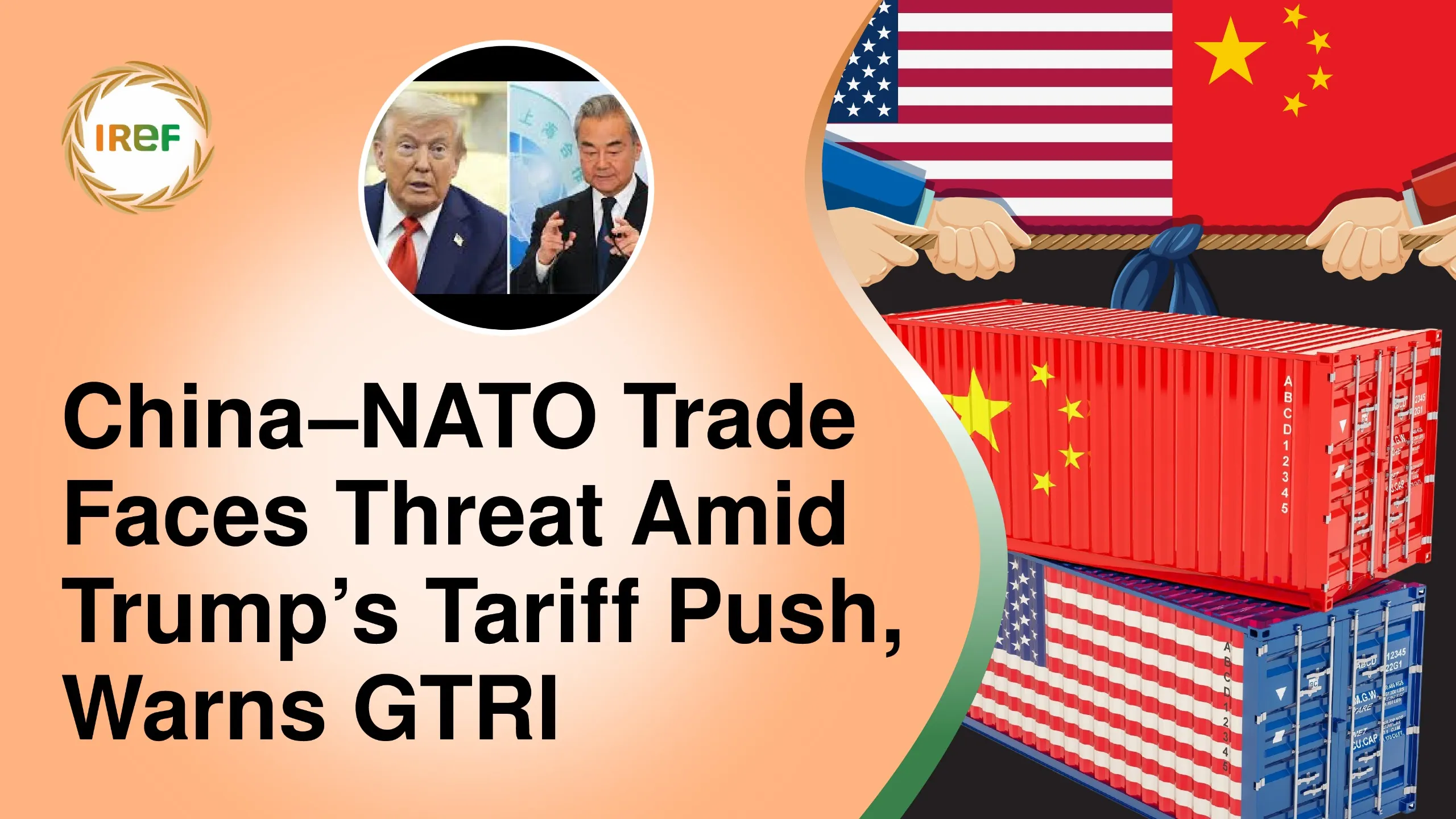
The Global Trade Research Initiative (GTRI) has cautioned that US President Donald Trump’s call for NATO countries to impose 50–100% “powerful tariffs” on Chinese goods could disrupt European industries and fuel inflation. GTRI founder Ajay Srivastava noted that such drastic measures might trigger retaliatory action from China, escalating into a full-fledged tariff war.
Significant Trade Volume
Trade between China and NATO countries remains highly substantial, underlining the deep interdependence of their economies. Despite recurring geopolitical tensions, China continues to be a major trading partner for several NATO members, contributing significantly to global economic flows.
What NATO Exports to China?
NATO countries export a wide range of goods to China, including:
- Manufactured goods
- Raw materials
- Agricultural products
China serves as a vital export destination for industries in Europe and North America.
Bulk of Chinese Exports to NATO
NATO countries rely heavily on Chinese imports, particularly in:
- Electronics
- Machinery
- Textiles
- Consumer goods
- Industrial raw materials
According to Srivastava, EU industries are particularly dependent on Chinese machinery and electronics, making tariffs a direct threat to production costs.
Top NATO Trading Partners of China
As per the CIA World Factbook (2022), China’s largest NATO trading partners include:
- Germany
- United Kingdom
- Canada
- France
- Italy
Despite President Trump’s persistent pressure on NATO to impose heavy tariffs, experts suggest the sheer scale of China–NATO trade makes any sharp disruption unlikely in the immediate future. Both sides continue to draw considerable economic benefits from this exchange, underscoring the complexity of disentangling trade from politics.
Share this article
Article Info
Read Time
2 min read
Published
16 Sept 2025
Author
Megha Bajaj
Category
News