World Population Day is observed annually on 11th of July, to raise awareness about the rapidly increasing population issues, impact of growing population on development and the environment, and global challenges related to increasing population. The theme of the World Population Day 2025 is “Empowering young people to create the families they want in a fair and hopeful world.” The first world population day was observed on 11th July 1990 which was established earlier by the Governing Council of the United Nations Development Programme in 1989, however it was inspired by the response of public in “Five Billion Day” on July 11, 1987, when the global population reached five billion.
Since its first observance, the day highlights the need and importance of addressing challenges related to rapid growth of population as well as focusing on family planning, gender equality, poverty, and maternal health. World Population Day calls for the action and cooperation from foreign countries as well to find solutions to these complex issues. As of mid-2025 global population is expected to be around 8.2 billion, which was 8.1 billion approximately in 2024. Since 1960, population growth rate has declined from a peak of 2.1% in the 1960s to 1.1% per year.
Despite this sharp decline in population growth rate, food security challenges remain at the forefront of global challenge and calls for the need of awareness about human population growth. In this blog we will focus on the several points that collectively draws our attention due to increasing population such as challenge of food insecurity, how agriculture can help to combat with the global food challenge, role of Indian agriculture in ensuring food security and many others.
Is there anything like “population collapse”?
Despite several media stories about declining birth rate, fear of “population collapse”, and the richest man in the world Elon Musk spending millions on “baby bust” panic, it’s very true that there are no chances of decline in the world population even in the near futures. Reports by the United Nations Population Division still suggests that the world is still on the track of growth of population, with the anticipated figures of more than 10 billion people in the 2080s.
Food Security Amidst Rising Popoulation
Food security as per the 1996 World Food Summit is defined as “when all people, at all times, have physical and economic access to sufficient safe and nutritious food that meets their dietary needs and food preferences for an active and healthy life.” To ensure food security in India, several govt. related schemes for farmers are launched in India to ensure the physical availability of food grains in India.
It is worth to note that India is the leading producer of rice and exports rice & several other food grains to countries across the globe ensuring food security not only in the domestic market but also in the international markets. Agriculture globally plays a major role in food security contributing as the main source of global food’s supply. One of the safest ways to rule out the chances of food insecurity amidst the rising population is by incorporating more and more sustainable agricultural practices during food production.
How Rice Cultivation in India Plays a Key Role in Food Security?
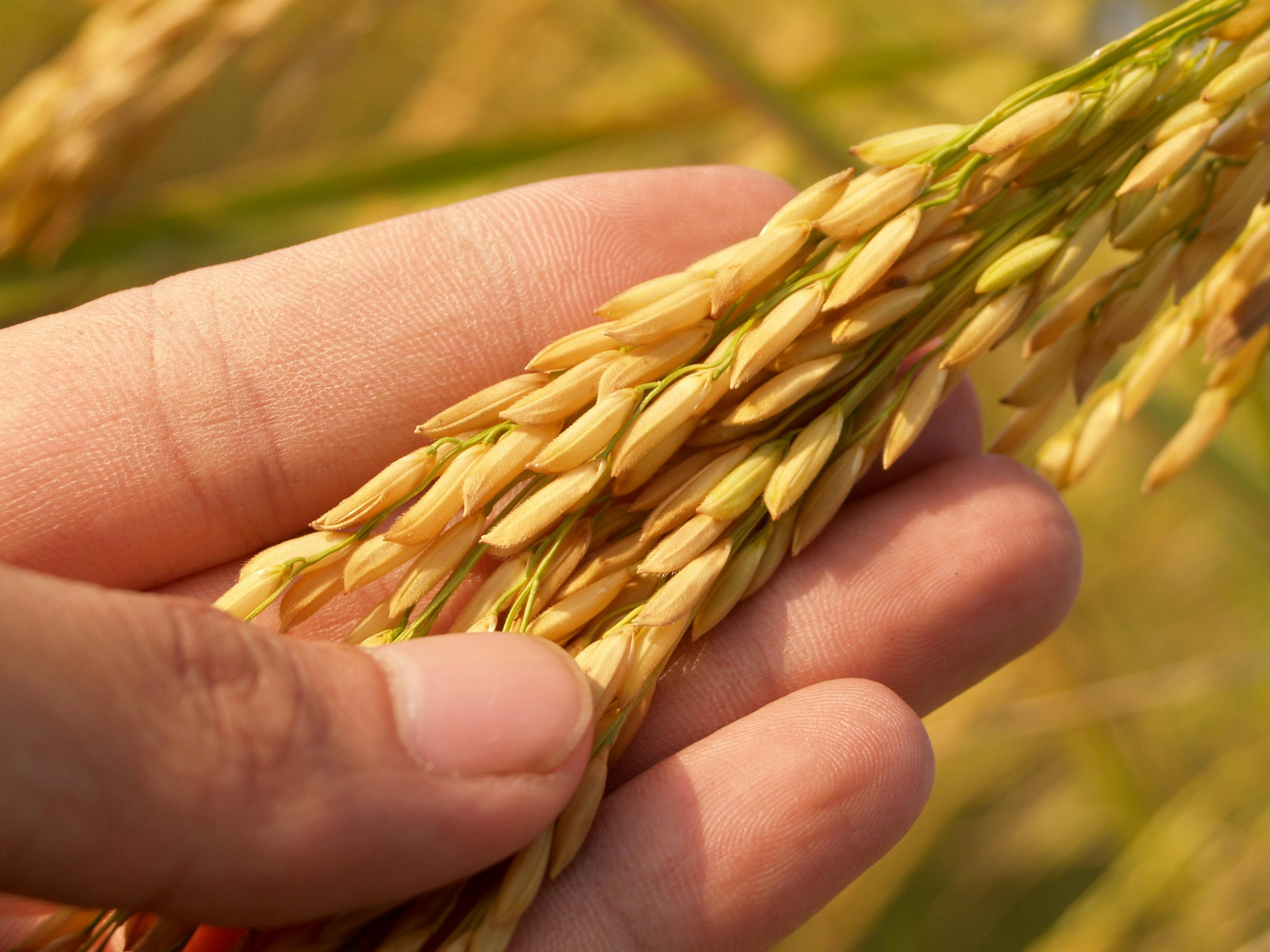
India’s Paddy Cultivation contributes to global food security and plays a major role as the leading producer and exporter of rice. Rice plays a vital role in meeting the needs of a large global population.
- Rice – The Staple Food for All
Thanks to the capacity of Indian farmers who can work tirelessly to grow a crop that not only feeds all but also helps them gain required nutrients. Indian government has launched several agriculture schemes to support farmers and empower them to cultivate more such crops.
- Sustainability
Growth of Population demands sustainability also, sustainability in rice production carries a significant importance. Sustainability in rice cultivation will also lead to higher income for farmers and reduce water usage by up to 20%.
- Important Source of Nutrients
Rice is one of the most vital sources of important nutrients and vitamins which contribute largely to maintaining the nutritional status of an individual.
Other Steps to Ensure Food Security
- Secure Water & its resources
- Secure our Land
- Train farmers with updated rice cultivation techniques
- Govt. Schemes focusing on the stabilization of the rate of crops
- Easy & affordable agriculture loan schemes to empower farmers with more cultivation options
Conclusion
World Population Day 2025 calls for more active & collective actions by global leaders, influencers, and from every individual irrespective of their place, caste, creed, status, and education. It’s importance to address the challenges of food security and hunger on a global level. India as a nation needs to continue its endeavor to stand tall as the leading nation to promote agriculture and sustainable food grains in India and abroad.
